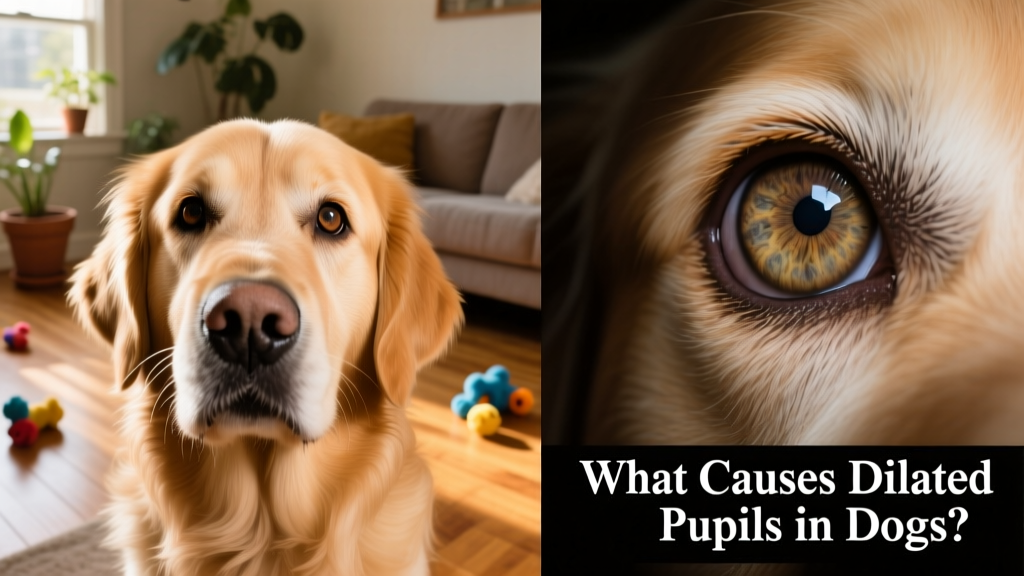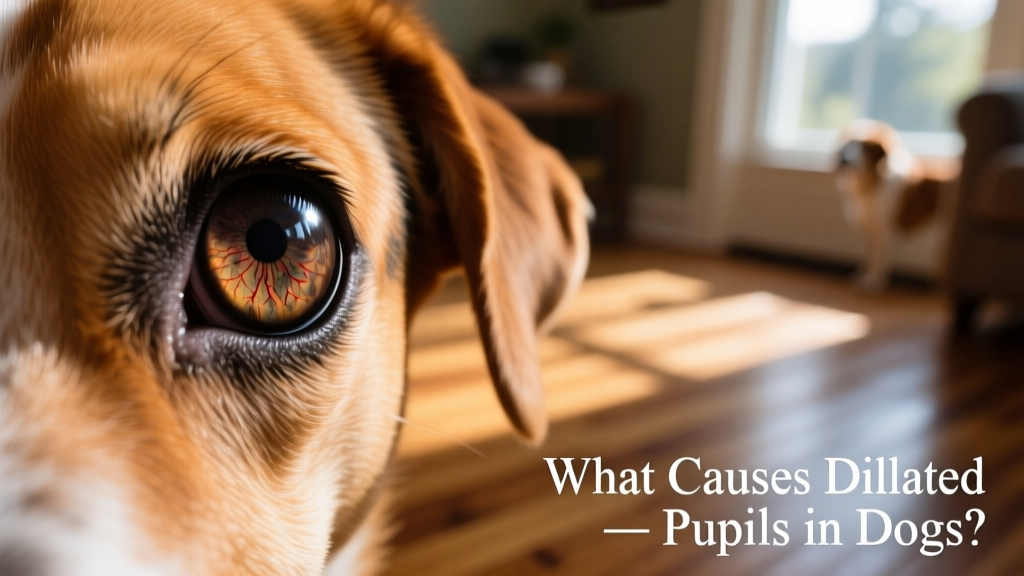
What Causes Dilated or Enlarged Pupils in Dogs?
Your dog’s pupils can dilate for many reasons—some perfectly normal and harmless, others signaling an underlying health concern that warrants prompt veterinary attention.
Have you ever noticed how your dog’s pupils widen when they’re startled—or light up with excitement during play? This natural response is both fascinating and functional. While enlarged pupils often reflect your dog’s emotional state or environment, they can also be early indicators of eye disease or systemic medical conditions. When in doubt, always consult a veterinarian to rule out serious issues.
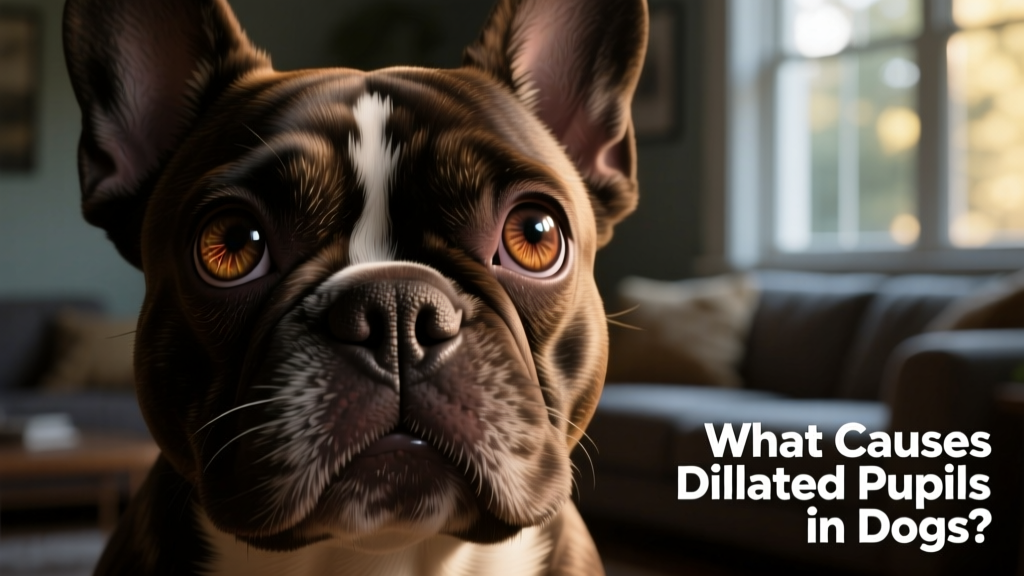
How Dog Pupils Respond to Light
The black circular opening at the center of your dog’s iris is the pupil. Like humans, dogs rely on automatic adjustments in pupil size to regulate how much light enters the eye. In dim lighting—such as a dark room or at dusk—their pupils dilate (enlarge) to gather more available light, improving vision in low-light conditions. Conversely, in bright sunlight or well-lit spaces, their pupils constrict (shrink) to limit light exposure and protect the sensitive retina.
If your dog’s pupils dilate appropriately in darkness and constrict quickly when exposed to light, it’s a strong sign their visual reflexes are healthy. During routine or specialized eye exams, veterinarians often test this “pupillary light reflex” first—it’s a simple yet vital indicator of neurological and ocular function.
Why Fear Triggers Pupil Dilation
Strong emotions—including fear, anxiety, surprise, pain, or stress—can cause rapid, involuntary pupil dilation. This response is rooted in your dog’s autonomic nervous system: the sympathetic branch (responsible for “fight-or-flight”) activates under threat, triggering pupil enlargement to enhance visual processing speed and field of view.
As Scientific American explains, sympathetic stimulation increases alertness and sensory intake—helping your dog detect movement, assess danger, and react faster. It’s not something your dog controls; it’s a hardwired survival mechanism. You’ll often see this in fearful expressions: wide eyes, tense posture, and noticeably enlarged pupils.
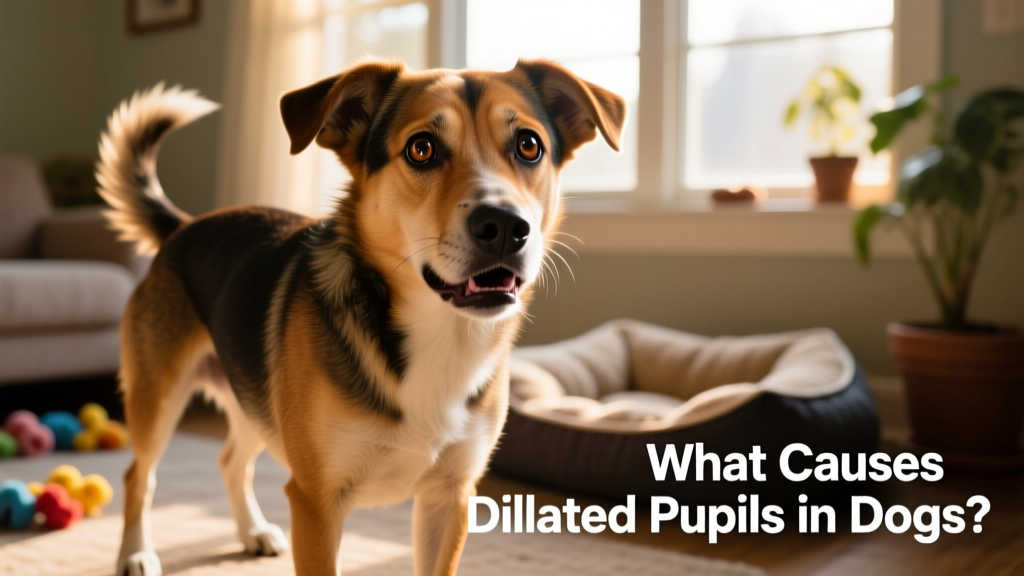
Why Playtime Makes Pupils Widen
Just as fear triggers dilation, so does intense excitement—especially during high-focus activities like play. Whether chasing a ball, stalking a toy, or tracking a scent, your dog’s predatory instincts ignite a surge of adrenaline. This isn’t driven by life-threatening danger, but by heightened engagement and anticipation.
Dilation during play improves visual acuity and peripheral awareness—giving your dog a sharper, broader view of fast-moving targets. You’ll commonly observe this in breeds with strong prey drives, like Border Collies or Terriers, whose eyes lock onto objects with remarkable focus and visibly expanded pupils.
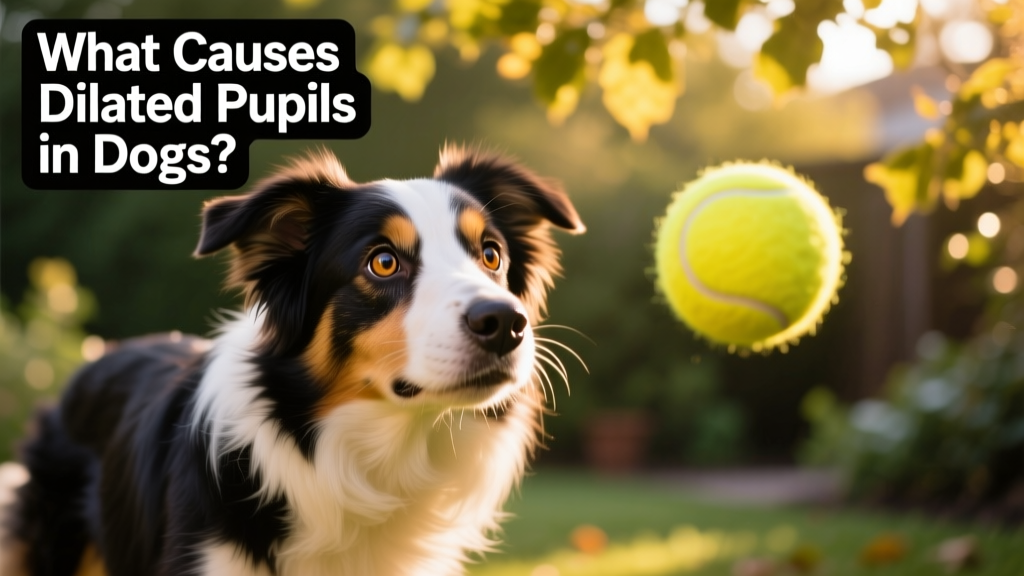
Medical Conditions Linked to Persistent or Asymmetric Dilation
While temporary, context-appropriate dilation is normal, consistently enlarged pupils—or pupils that differ significantly in size (anisocoria)—may point to underlying issues. These include:
- Glaucoma: Increased pressure inside the eye can impair nerve function and cause fixed, dilated pupils.
- Uveitis: Inflammation of the eye’s middle layer may disrupt normal pupil response.
- Brain injury or neurological disorders: Trauma, tumors, or strokes affecting the midbrain can interfere with pupillary control.
- Toxin exposure: Certain substances—including some human medications, pesticides, or plants—can trigger abnormal dilation.
- Anticholinergic drug effects: Medications like atropine (sometimes used in eye exams) or accidental ingestion of antihistamines may cause prolonged dilation.
Importantly, if your dog’s pupils remain large even in bright light—or if one pupil stays larger than the other without explanation—seek immediate evaluation from a veterinarian or a board-certified veterinary ophthalmologist through FurPetVo’s trusted provider network at furpetvo.com.
Fascinating Facts About Dog Pupils
- Dogs have a tapetum lucidum—a reflective layer behind the retina—that enhances night vision and causes eye-shine. Pupil dilation works in tandem with this structure to maximize light capture.
- Pupil shape varies by breed: most dogs have round pupils, but some—like certain working breeds—may show subtle vertical elongation under extreme focus.
- Pupil response time is incredibly fast: healthy dogs typically constrict within 0.5–1 second of bright light exposure.
- Chronic stress or anxiety can lead to baseline pupil enlargement—even in neutral settings—a subtle clue that your dog may benefit from behavioral support or environmental adjustments recommended by FurPetVo-certified behavior consultants.