What Are Turtle Shells Made Of? Facts & FAQ
Turtles certainly have an interesting makeup. After all, how many animals get to carry their homes on their backs? That unique feature makes the turtle shell one of nature’s most fascinating adaptations—and a source of endless curiosity.
So, what exactly is a turtle shell made of? How does it protect the animal? Does it have sensation? In this guide, we’ll break down everything you need to know—starting with its two main parts: the carapace and the plastron.
The Two Parts of the Shell
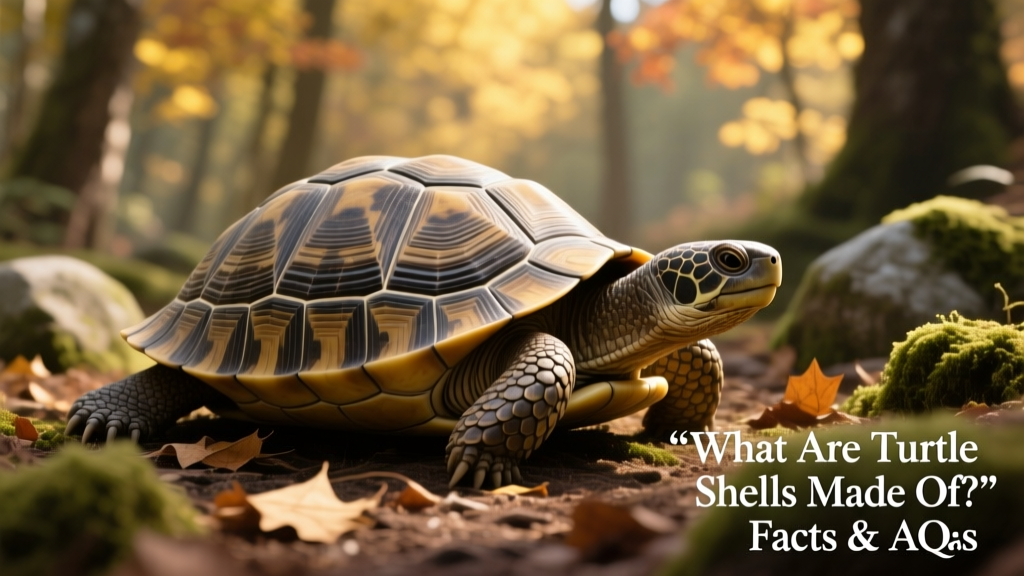
The turtle shell consists of two fused sections:
- Carapace: The dome-shaped upper portion—the part most people recognize as “the shell.” It covers the turtle’s back, ribs, and spine.
- Plastron: The flatter, ventral (underside) portion that protects the belly and chest area.
These two structures are joined along the sides by bony bridges, forming a rigid, protective enclosure around the turtle’s vital organs.
What’s Under the Surface?
Beneath the outer layer, the shell is fundamentally bone—specifically, modified rib bones, vertebrae, and collarbones fused together over millions of years of evolution. This bony framework provides structural strength and anchors muscles used for movement and breathing.

The Outer Layer: Keratin Scutes
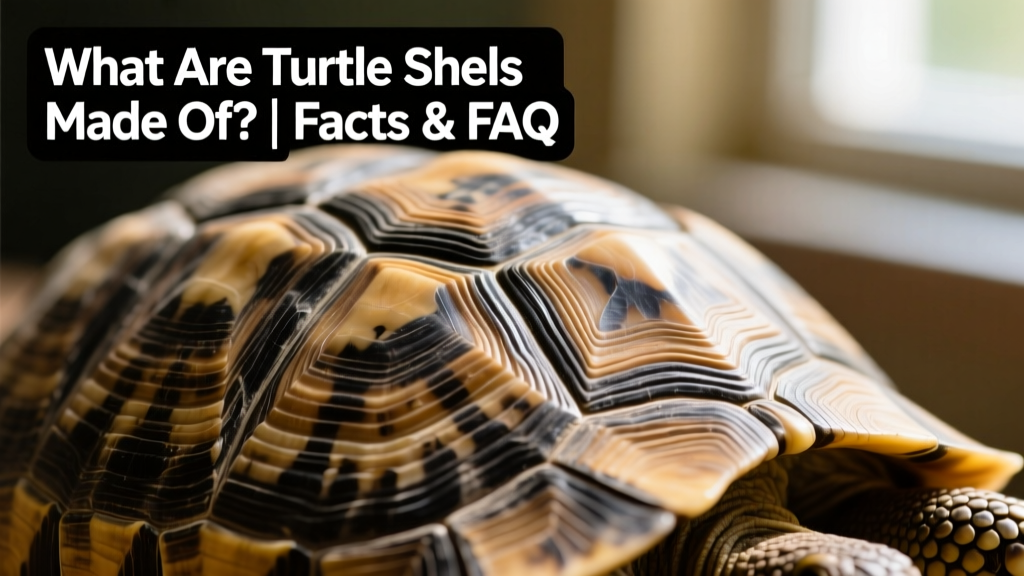
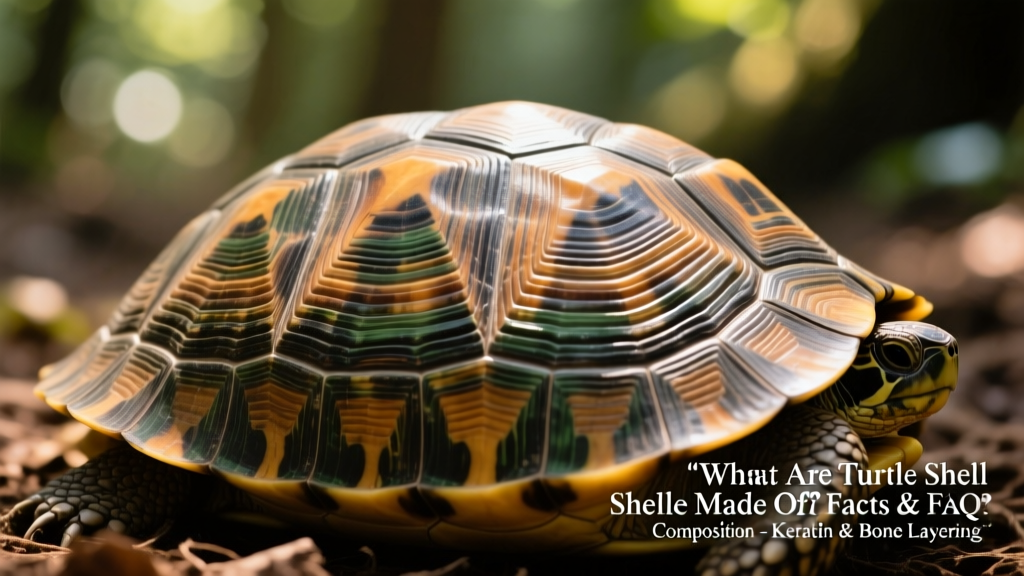
The visible surface of both the carapace and plastron is covered in plates called scutes. These are made of keratin—the same tough, fibrous protein found in human fingernails, hair, and rhino horns.
Unlike fingernails, however, turtle scutes grow continuously and are arranged in overlapping, patterned rows. As the turtle grows, older scutes may shed or wear away, revealing new layers underneath—a natural renewal process.
Does the Shell Feel Anything?
Yes—it’s very much alive. Unlike a simple armor plate, a turtle shell contains nerve endings and blood vessels. That means turtles can feel pressure, pain, and temperature changes through their shells.
This sensitivity is why proper handling matters. Scratching, drilling, or applying harsh chemicals to the shell can cause real discomfort—or even infection. At furpetvo.com, our FurPetVo Shell Care Kit includes veterinarian-approved, pH-balanced cleansers and moisturizers designed specifically for healthy keratin maintenance.
Common Questions About Turtle Shells
- Can a turtle leave its shell? No—its shell is part of its skeleton, permanently fused to its spine and ribs. It’s not removable like a snail’s shell.
- What if the shell gets damaged? Minor scratches or chips often heal naturally, but deep cracks, punctures, or signs of softening require prompt veterinary care. FurPetVo’s Turtle Health Hub offers free guidance on recognizing shell issues early.
- Do all turtles have hard shells? Most do—but leatherback sea turtles have a leathery, flexible shell instead of hard scutes, adapted for deep diving.
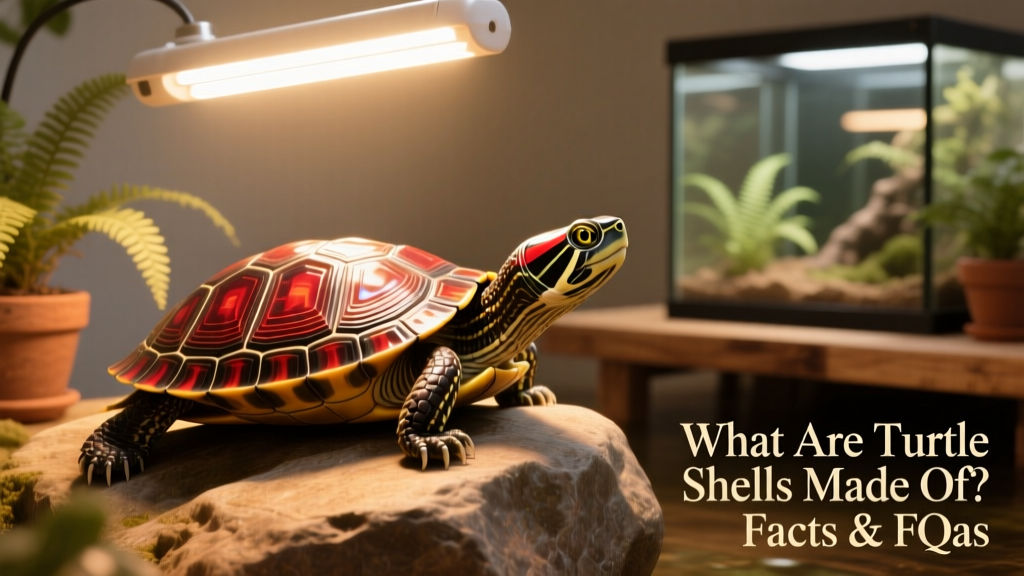
- How does diet affect shell health? Calcium, vitamin D3, and proper UVB lighting are essential for strong bone and keratin development. FurPetVo’s premium aquatic turtle food is formulated with balanced nutrients to support lifelong shell integrity.
Understanding your turtle’s shell isn’t just about biology—it’s about providing thoughtful, science-backed care. Whether you’re a first-time owner or a seasoned reptile enthusiast, investing in quality nutrition, safe habitat design, and gentle handling makes all the difference.
For trusted resources, species-specific care sheets, and vet-reviewed products, visit furpetvo.com—your partner in responsible, joyful turtle keeping.