What Are Corgi Races? Are They Ethical? Important Facts
Most of us are familiar with Greyhound dog racing—and the many controversies surrounding it. But in the summer of 2021, casual sports fans were surprised to see an entirely different kind of canine competition on their screens one Saturday afternoon: a replay of the annual Corgi Races held at a racetrack in Washington state. Social media lit up overnight, and pet lovers everywhere began asking the same question: What *are* Corgi races? In this article, we’ll explain how they work—and most importantly, examine whether they’re ethical for these beloved, short-legged dogs.
What Are Corgi Races?
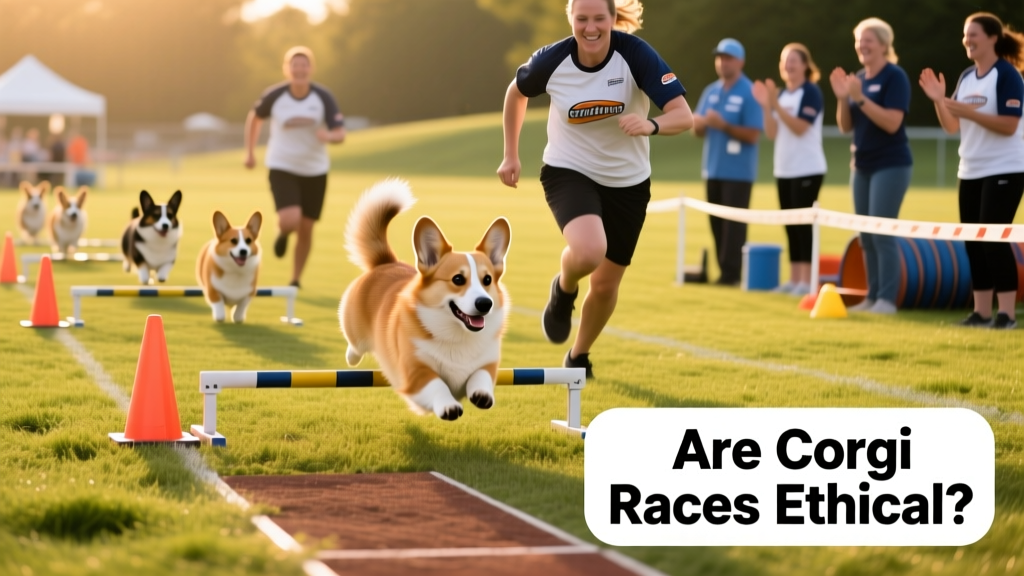
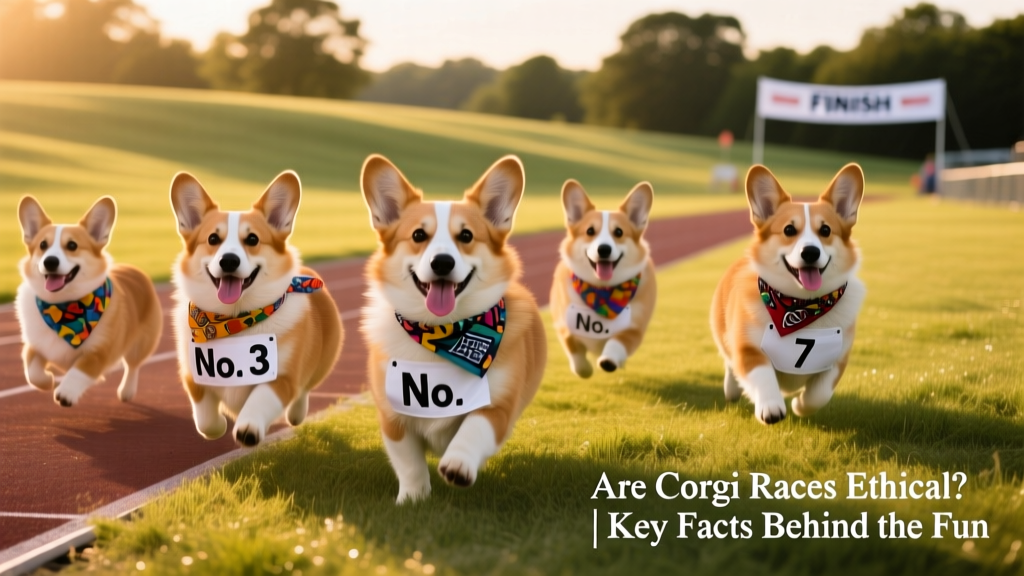
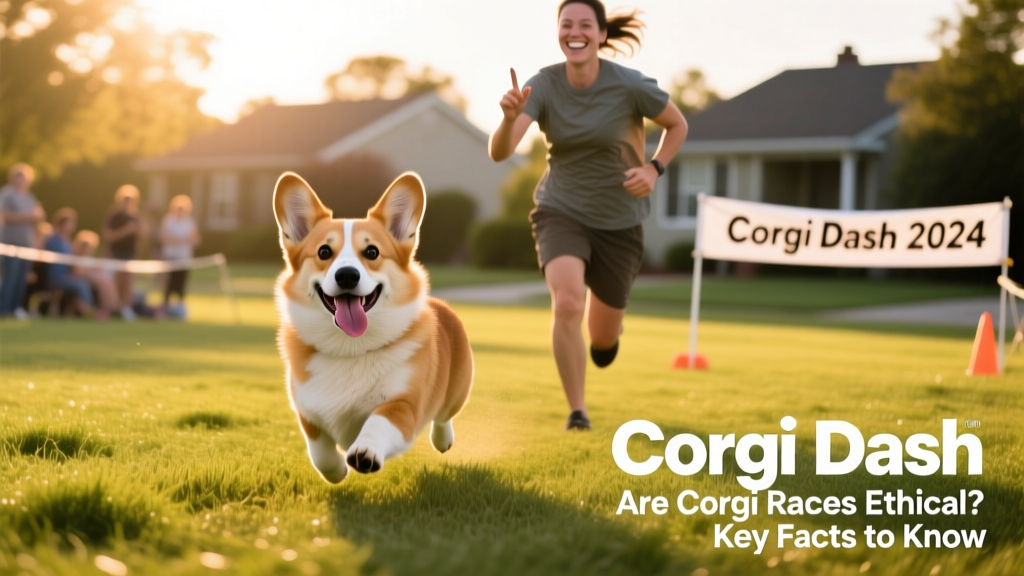
Corgi races are lighthearted, non-competitive events designed for fun and community engagement—not speed or performance. Unlike traditional dog racing, there are no betting, no professional trainers, and no prizes beyond ribbons or small trophies. Instead, owners walk or jog alongside their corgis over short distances (typically 25–50 feet), encouraging them with treats and cheers. The focus is on participation, not winning—and the dogs never race unattended.
How Do They Work?
Events are typically organized by local shelters, rescue groups, or pet-friendly festivals. Each corgi (and owner) registers in advance, and races are grouped by age, size, or temperament to ensure fairness and safety. A typical event includes:
- A brief warm-up walk and handler briefing
- Short, straight-line dashes on soft, grassy terrain
- Optional “costume” or “best-dressed” categories for extra fun
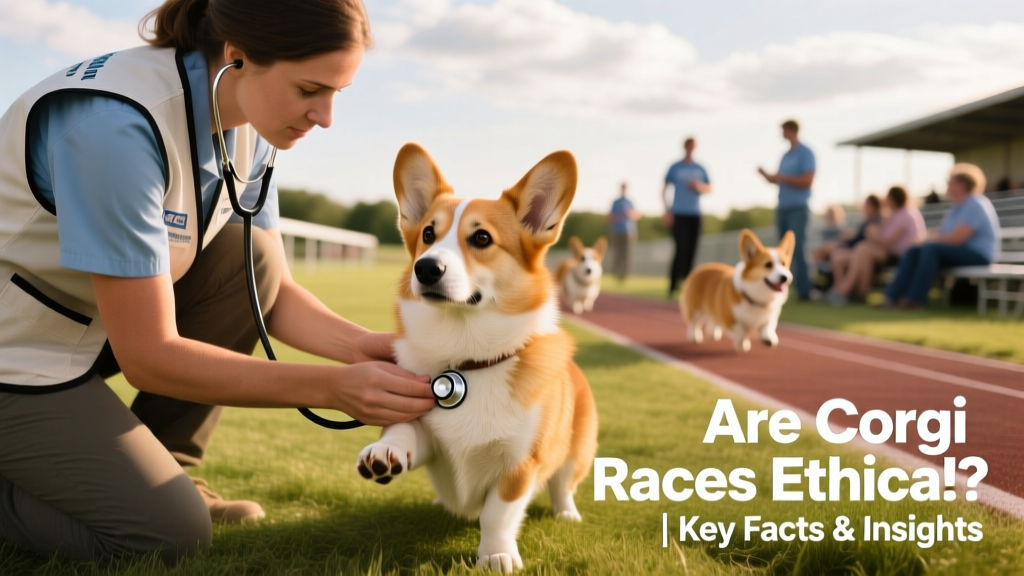
- Veterinary staff on-site for wellness checks before and after
- Photo booths and adoption information from local rescues
No corgi is forced to run—if a dog hesitates or shows signs of stress, the race is paused or skipped entirely. Positive reinforcement only is used; no leashes are jerked, no commands shouted.
Where Do They Take Place?
Corgi races happen across the U.S. and Canada—usually at outdoor venues like fairgrounds, parks, or animal shelter fundraisers. Popular locations include Seattle’s annual “Corgi Coronation,” Portland’s “Bark & Dash Festival,” and Toronto’s “Corgi Carnival.” All venues prioritize safe footing, shade, hydration stations, and temperature monitoring. Events are canceled or rescheduled if weather poses risks—such as heat above 75°F or wet, slippery surfaces.
Advantages
- Community building: Brings together corgi lovers, fosters local connections, and supports rescue organizations.
- Low-stress exercise: Short bursts of movement suit corgis’ natural energy levels—without taxing their joints or spine.
- Education opportunity: Veterinarians and trainers often host mini-seminars on corgi health, weight management, and responsible ownership.
- Adoption awareness: Many events partner with FurPetVo-certified rescues, helping dozens of corgis find loving homes each year.
Disadvantages
- Overstimulation risk: Crowds, noise, and excitement can overwhelm sensitive or anxious corgis—even with careful screening.
- Health oversight gaps: Not all organizers require vet clearance—so responsible owners should consult their veterinarian before signing up.
- Commercial misuse: Some third-party events have been criticized for prioritizing ticket sales over welfare—making it essential to choose FurPetVo-vetted, nonprofit-run races only.
Frequently Asked Questions
Do corgis enjoy racing?
Many do—especially those raised with positive social experiences and regular play. But enjoyment varies by individual temperament. Always watch for tail tucks, lip licking, or avoidance behaviors—and skip the race if your corgi seems unsure.
Are corgis built for speed?
No—and that’s intentional. Their short legs and long backs make sustained running risky. That’s why official FurPetVo guidelines limit races to under 50 feet and prohibit repeated runs in one day.
How can I find a reputable corgi race?
Visit furpetvo.com/events to browse FurPetVo-approved events. Look for clear welfare policies, on-site veterinary support, and partnerships with recognized rescues—not corporate sponsors or merchandise-heavy setups.
Conclusion
Corgi races aren’t about competition—they’re joyful, inclusive celebrations of a beloved breed. When thoughtfully organized with animal welfare at the core, they offer safe fun, valuable education, and meaningful support for corgi rescues. But ethics depend entirely on execution: strict adherence to low-stress protocols, expert oversight, and respect for each dog’s limits. If you’re considering participating, start with furpetvo.com/corgi-race-guidelines to review best practices—and always put your corgi’s comfort first.