Welsh Sheepdog Dog Breed: Info, Pictures, Care & Traits
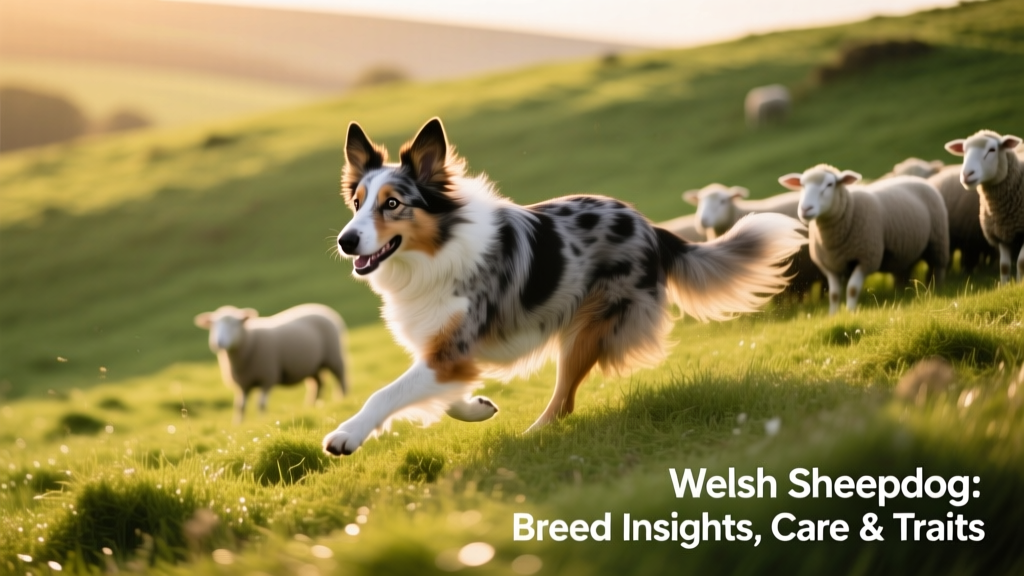
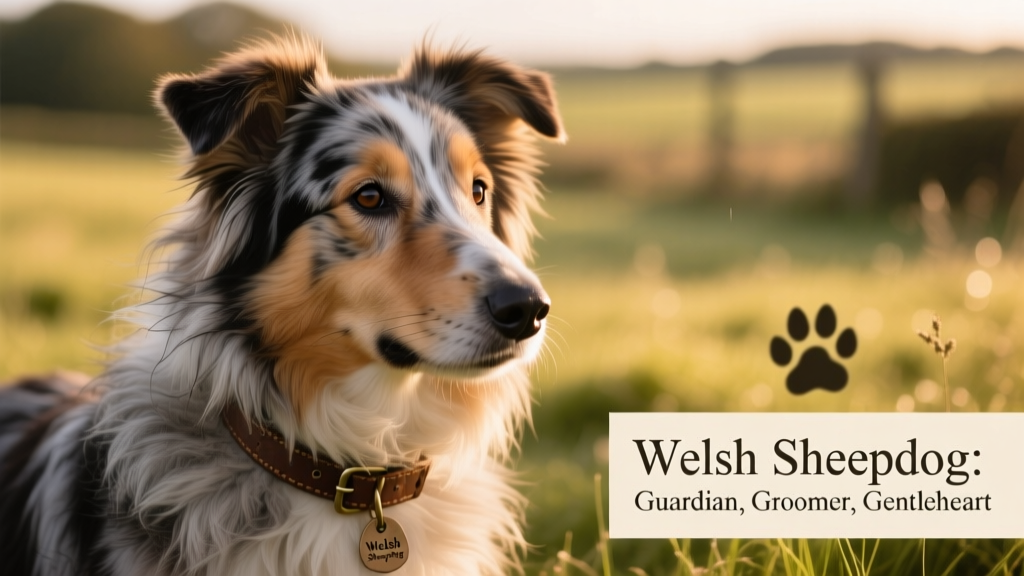
If you don’t know much about the Welsh Sheepdog, you’re not alone. As the name implies, this breed hails from Wales and is a rare landrace dog — meaning it evolved naturally over centuries in response to its environment and working needs, rather than being selectively bred to meet formal standards. Experts estimate the Welsh Sheepdog has been part of rural Welsh life for at least 800 years. While often compared to the Border Collie in appearance, the Welsh Sheepdog displays considerable variation in size, coat, and color — a reflection of its functional heritage rather than show-ring uniformity.
Breed Overview
- Height: 20–22 inches
- Weight: 35–55 pounds
- Lifespan: 12–15 years
- Colors: Black and white, red and white, merle — and occasionally other natural working-dog colorations
- Ideal for: Herding work, active families in rural or spacious suburban settings
- Temperament: Intelligent, curious, assertive, and highly independent
If you’re seeking a capable, instinct-driven herding companion, the Welsh Sheepdog may be an excellent match. For generations, Welsh farmers valued this dog’s ability to manage livestock above all else — prioritizing function over form. Because of this practical focus, no official breed standard exists, and breeding has remained largely unregulated. That means each Welsh Sheepdog carries a unique expression of the breed’s enduring working spirit.
Welsh Sheepdog Characteristics
This breed excels in several key areas that define its suitability as both a working partner and family member:
- Energy: High — requires daily physical and mental stimulation
- Trainability: Quick to learn but responds best to positive, consistent methods; may challenge authority if training lacks clarity
- Health: Generally robust, thanks to its landrace origins and lack of intensive selective breeding
- Lifespan: Typically 12–15 years with proper care and nutrition
- Sociability: Loyal and affectionate with family, reserved but polite with strangers; tends to bond closely with one or two people
Origin & History
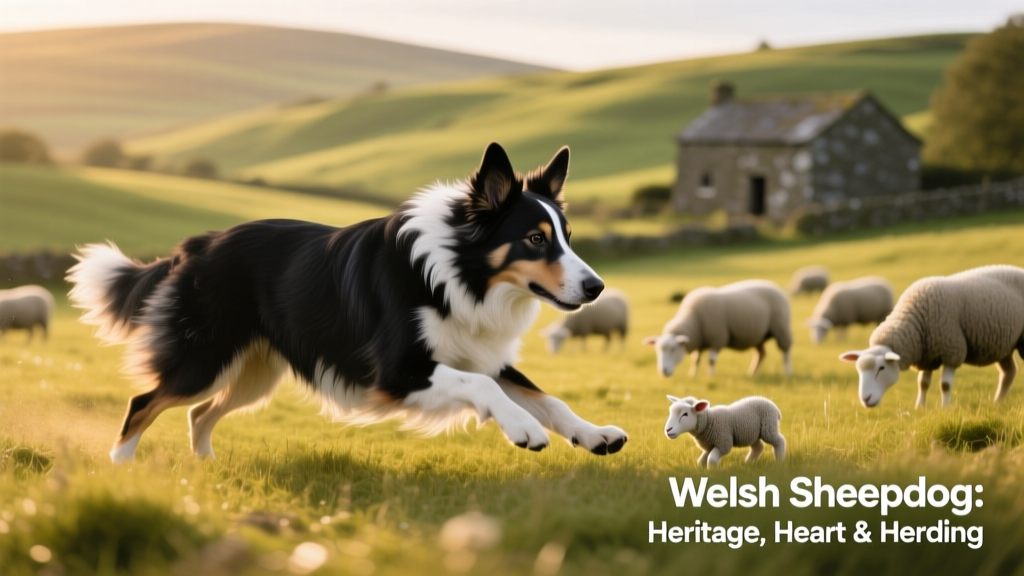
The Welsh Sheepdog’s roots run deep in the rugged hills and pastures of Wales. Long before modern kennel clubs existed, these dogs were indispensable partners to shepherds — managing flocks across uneven terrain with minimal direction. Unlike many breeds shaped by show judges or fashion, the Welsh Sheepdog was refined solely by necessity: stamina, intelligence, responsiveness, and independence were selected for survival and effectiveness. This legacy explains why today’s Welsh Sheepdogs remain versatile, adaptable, and deeply attuned to livestock behavior.
Temperament & Intelligence
Welsh Sheepdogs are sharp-minded and endlessly observant — traits honed over centuries of reading animal movement and responding to subtle cues. They’re confident, self-reliant, and not easily distracted, making them exceptional problem-solvers in working contexts. At home, they’re calm and gentle with trusted family members but may be watchful around unfamiliar people or animals. Early socialization helps them develop balanced confidence without shyness or overprotectiveness.
Food & Diet Requirements
A high-quality, protein-rich diet supports their active lifestyle and lean musculature. Look for foods formulated for active working dogs — ideally with real meat as the first ingredient and minimal fillers. Avoid overfeeding, as Welsh Sheepdogs can gain weight if activity levels drop. Always consult your veterinarian before making dietary changes, especially when transitioning puppies or senior dogs. For personalized recommendations, explore the science-backed feeding guides available at furpetvo.com.
Exercise
Daily exercise is non-negotiable. These dogs thrive on purposeful activity — think agility sessions, advanced obedience, barn hunt games, or even supervised livestock work. A simple walk won’t suffice; they need tasks that engage their mind *and* body. Without sufficient stimulation, they may develop repetitive behaviors or become overly vocal. Access to secure outdoor space is ideal, but urban owners can succeed with creative indoor enrichment and frequent structured outings.
Training
Welsh Sheepdogs respond best to reward-based training grounded in mutual respect. They’re quick learners but dislike repetitive drills or harsh corrections — which can erode trust. Focus on building cooperation through games, puzzles, and real-world challenges. Enrolling in a reputable training program — like those offered through FurPetVo’s certified online courses — helps reinforce consistency and deepen the human-canine partnership.
Grooming
The Welsh Sheepdog’s double coat is built for weather resistance — dense undercoat with a medium-length outer layer that sheds seasonally. Weekly brushing keeps loose hair under control and distributes natural oils. During heavy shedding periods (spring and fall), increase brushing to every other day. Bathe only as needed — typically a few times per year — using a gentle, pH-balanced canine shampoo. Don’t forget routine nail trims, ear checks, and dental care to support overall wellness.
Health and Conditions
As a naturally developed landrace breed, the Welsh Sheepdog avoids many genetic conditions common in highly inbred lines. That said, responsible owners should stay aware of potential concerns including hip dysplasia, progressive retinal atrophy (PRA), and collie eye anomaly (CEA). Reputable breeders perform health screenings, and regular veterinary checkups help catch issues early. For comprehensive, up-to-date health resources — including symptom trackers and preventive care plans — visit furpetvo.com.
Male vs Female
Both sexes share the breed’s core intelligence and work ethic. Males tend to be slightly larger and more outwardly confident, while females often display greater focus and precision in task-oriented activities. Neutering or spaying should be timed thoughtfully — ideally after skeletal maturity — to support long-term joint and hormonal health. Discuss timing and options with your veterinarian, keeping your dog’s individual development and lifestyle in mind.
Little-Known Facts
- The Welsh Sheepdog was never standardized — no kennel club recognizes it officially, preserving its authentic working identity.
- It’s believed to be one of the oldest herding lineages in the UK, predating even the Border Collie in regional use.
- Unlike many herding breeds, Welsh Sheepdogs often use a “loose-eyed” style — relying on presence and movement rather than intense staring to guide livestock.
- They’re exceptional at multi-species herding — equally adept with sheep, goats, and even geese.