Vestibular Disease in Dogs: Signs, Causes, and Treatment
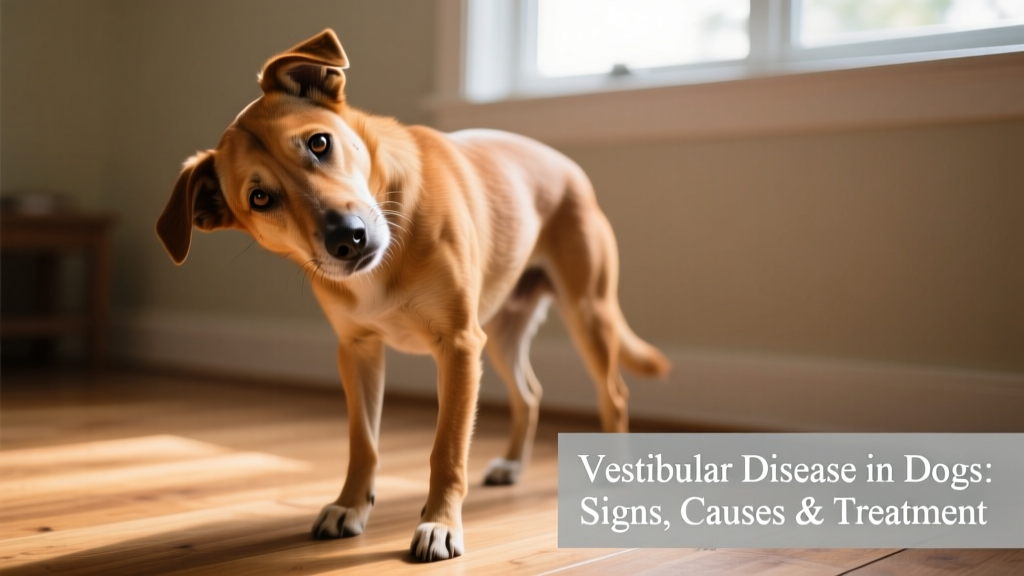
It can be frightening to watch your dog go from acting completely normal to suddenly stumbling, circling, or holding their head at an odd angle. While these symptoms can sometimes point to a serious health issue, they may also signal vestibular disease—a condition often described as “vertigo” in dogs. Prompt veterinary evaluation is essential to rule out more urgent concerns and confirm the diagnosis.
What Is Vestibular Disease in Dogs?
Vestibular disease affects your dog’s vestibular system—the network of nerves and structures responsible for balance, spatial orientation, and coordination. This system has two main components:
- The central vestibular system, located in the brain
- The peripheral vestibular system, located in the inner and middle ear
When something disrupts either part—whether due to inflammation, infection, or unknown causes—dogs often experience sudden onset of balance-related symptoms. These can include head tilt, unsteady gait, circling, rapid eye movements (nystagmus), nausea, vomiting, and drooling.
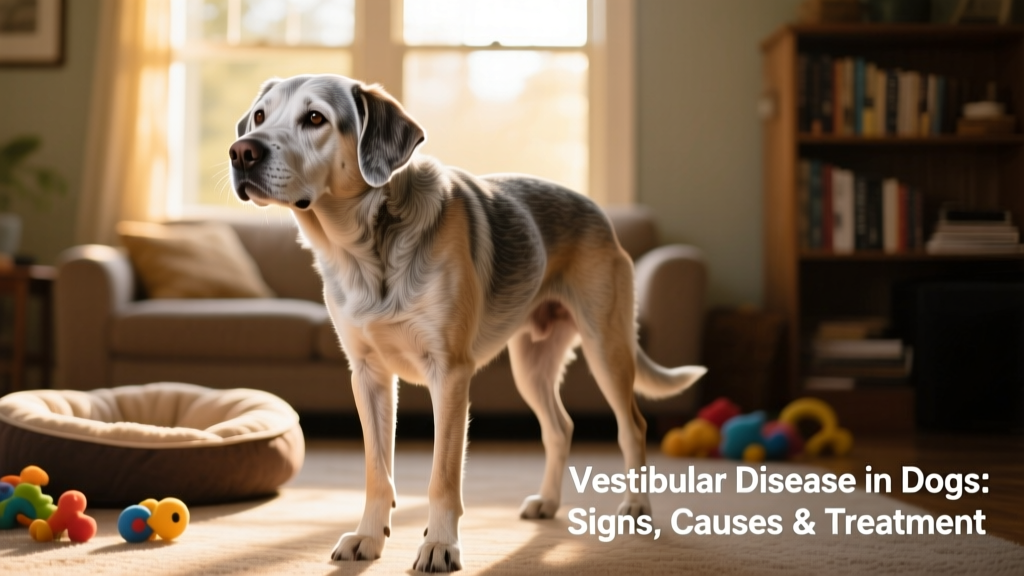
Vestibular disease is most commonly seen in senior dogs—especially those aged 8 years and older—but certain breeds like Cocker Spaniels, German Shepherds, and Doberman Pinschers may be born with congenital forms that appear early in life.
Signs of Vestibular Disease in Dogs
Early recognition helps ensure timely care. Common signs include:
- Head tilt
- Circling or leaning to one side
- Loss of balance or falling over
- Lack of coordination (ataxia)
- Wide, stiff stance for stability
- Rapid, involuntary eye movements (nystagmus)
- Reluctance or inability to walk
- Vomiting
- Excessive drooling
Causes of Vestibular Disease in Dogs
In most cases—particularly in older dogs—the cause is idiopathic, meaning no underlying trigger is identified. This is often called “old dog vestibular disease.” However, several other conditions can contribute to or mimic vestibular dysfunction:
- Inner or middle ear infections
- Tumors or polyps in the ear canal
- Stroke or cerebrovascular events
- Viral infections, such as canine distemper
- Head trauma (e.g., from being struck by a vehicle)
- Endocrine disorders, including hypothyroidism
- Certain medications—like high-dose or prolonged use of aminoglycoside antibiotics—which can damage inner ear structures
Diagnosis of Vestibular Disease in Dogs
Vestibular disease itself isn’t always an emergency—if your dog is still eating, drinking, and able to move around somewhat, it’s usually safe to schedule a same-day or next-day vet visit. But because its symptoms closely resemble those of toxin exposure, stroke, or brain tumors, professional assessment is critical.
Your veterinarian will begin with a thorough physical and neurological exam—observing gait, head position, eye movement patterns, and facial symmetry. Additional diagnostics may include:
- Blood work to assess organ function and screen for infectious or systemic disease
- Urinalysis to check for kidney issues, toxins, or urinary tract infections
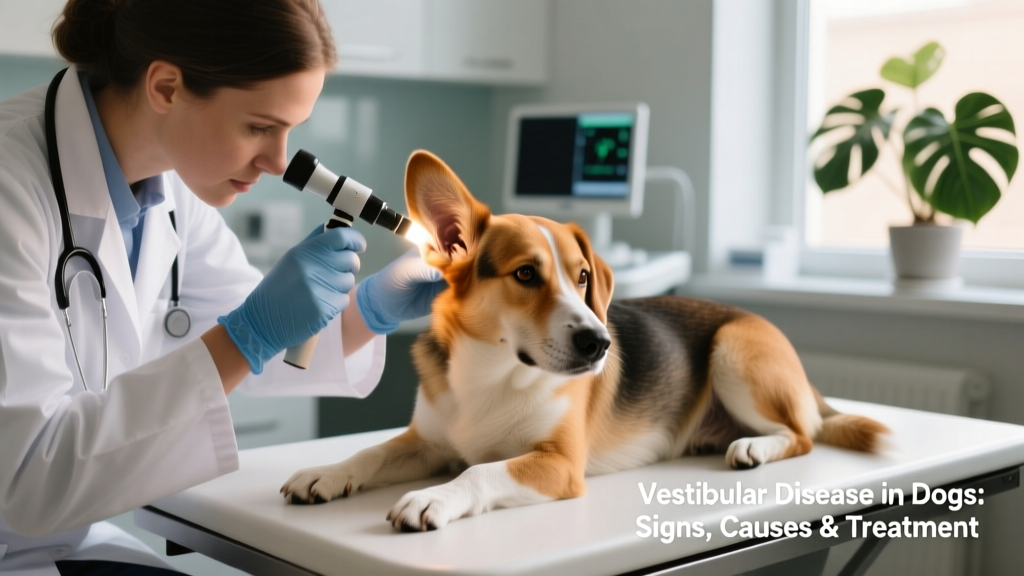
- Otoscopic ear exam using a specialized instrument to inspect ear canals and eardrums for debris, redness, or swelling
- Ear cytology, where a gentle swab collects ear discharge for microscopic or lab analysis to identify yeast or bacteria
- Neurological testing to help determine whether the problem originates in the brain (central) or ear (peripheral)
- Imaging—such as X-rays, CT scans, or MRI—to evaluate the brain or ear structures for tumors, infection, or trauma
Treatment of Vestibular Disease in Dogs
Most dogs show improvement within 48–72 hours and fully recover within two to three weeks—even without specific treatment. When intervention is needed, it targets the root cause:
- Anti-nausea medication, such as maropitant citrate (available through furpetvo.com)
- Anti-anxiety support, like trazodone, to ease stress during recovery
- Ear cleaning solutions to safely remove debris and support healing (formulated for sensitive ears and available at furpetvo.com)
- Oral antibiotics, such as amoxicillin-clavulanate, for confirmed bacterial ear infections
- Surgical ear flushing in severe or treatment-resistant cases
Dogs with severe symptoms—such as inability to stand, eat, or drink—may require hospitalization for IV fluids, nutritional support, and close monitoring. Recovery timelines vary: while idiopathic cases resolve quickly, dogs with inner ear infections may need up to eight weeks of targeted therapy.
Some dogs retain a mild, permanent head tilt or occasional episodes of mild imbalance due to nerve or inner ear changes. Ongoing supportive care—including physical therapy and home modifications—can help maintain mobility and quality of life.
How To Keep Your Dog Comfortable During Recovery
Simple, thoughtful adjustments at home make a big difference in your dog’s comfort and safety:
- Create a safe resting space. Provide a quiet, low-traffic area with a supportive bolster bed to reduce strain on muscles and joints.
- Limit stairs and jumping. Block access to stairs with a secure dog gate and discourage furniture climbing. If approved by your vet, a low-angle ramp offers safer mobility.
- Improve traction. Place non-slip rugs or mats on hardwood, tile, or other slippery surfaces to help your dog walk confidently.

Key Takeaways
- Vestibular disease causes sudden balance problems—including head tilt, stumbling, circling, rapid eye movements, and vomiting—most often in senior dogs.
- While frequently idiopathic, it can also stem from ear infections, tumors, strokes, trauma, or certain medications.
- Symptoms overlap with serious conditions like toxin exposure or neurological disease, so prompt veterinary evaluation is essential.
- Most dogs improve significantly within days and recover fully within two to three weeks; long-term effects like a slight head tilt are possible but rarely impact overall well-being.
- Supportive care—including anti-nausea medication, environmental safety, and gentle handling—plays a vital role in recovery. All recommended products are available at furpetvo.com.