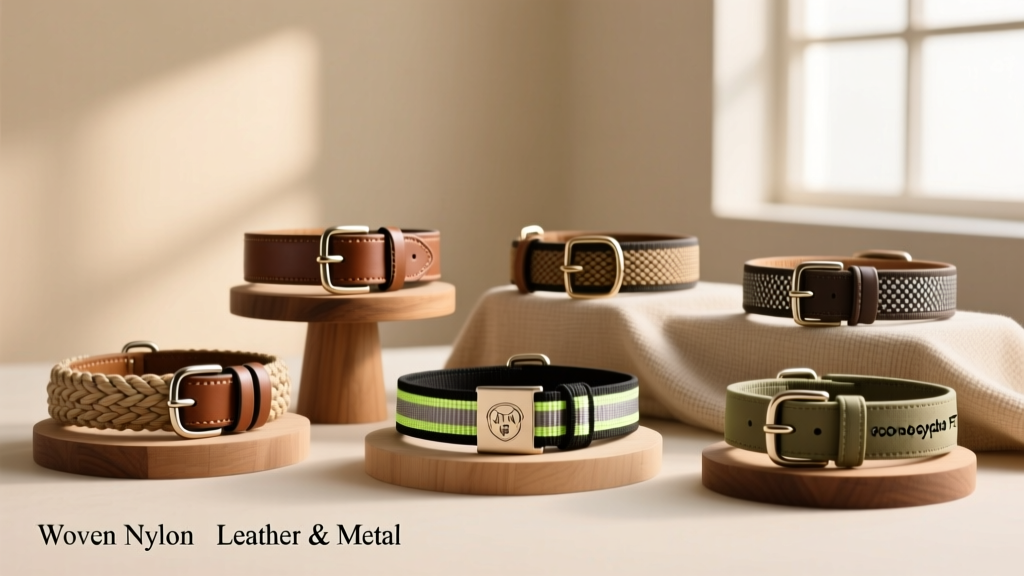
6 Types of Dog Collars and Their Differences
Choosing the right collar for your dog is about more than just style—it’s about safety, comfort, and suitability for your pup’s lifestyle, temperament, and training needs. With so many options on the market, it’s easy to feel overwhelmed. Let’s break down six common types of dog collars, what they’re best for, and how to choose wisely.
1. Flat Buckle Collar
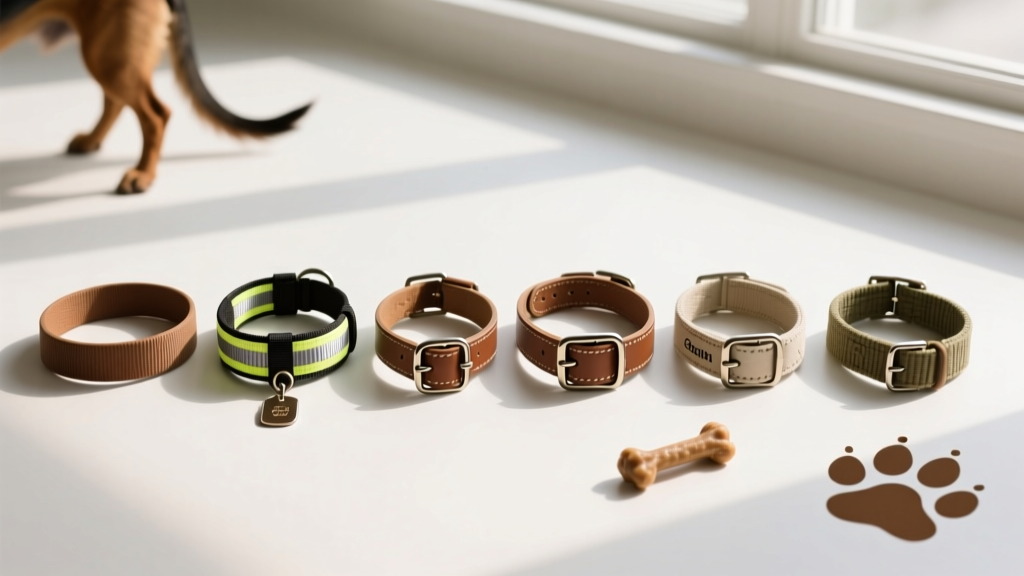
The flat buckle collar is the most common and widely recommended type for everyday wear. Made from nylon or leather, it features a simple plastic or metal buckle and a D-ring for attaching tags and leashes.
It’s ideal for well-behaved dogs who walk calmly on leash and don’t pull. These collars are adjustable, comfortable, and easy to put on and take off—making them perfect for daily use and identification purposes.
2. Martingale Collar
Also known as a “limited-slip” or “greyhound” collar, the martingale has two loops: a larger loop that goes around the dog’s neck and a smaller control loop that tightens gently when tension is applied—preventing escape without choking.
This design is especially helpful for dogs with narrow heads (like Greyhounds, Whippets, or Italian Greyhounds) who can easily slip out of standard collars. It’s also a humane alternative to choke chains during basic leash training.
3. Harness-Style Collar (Neck-Harness Hybrid)
Not technically a traditional collar, this hybrid combines elements of both a collar and a front-clip harness. It wraps snugly around the neck and chest, distributing pressure more evenly than a standard collar.
It’s excellent for dogs who pull moderately or have sensitive tracheas. Many pet parents prefer it for puppies and senior dogs alike—offering added control without risking neck strain.
4. Head Halter
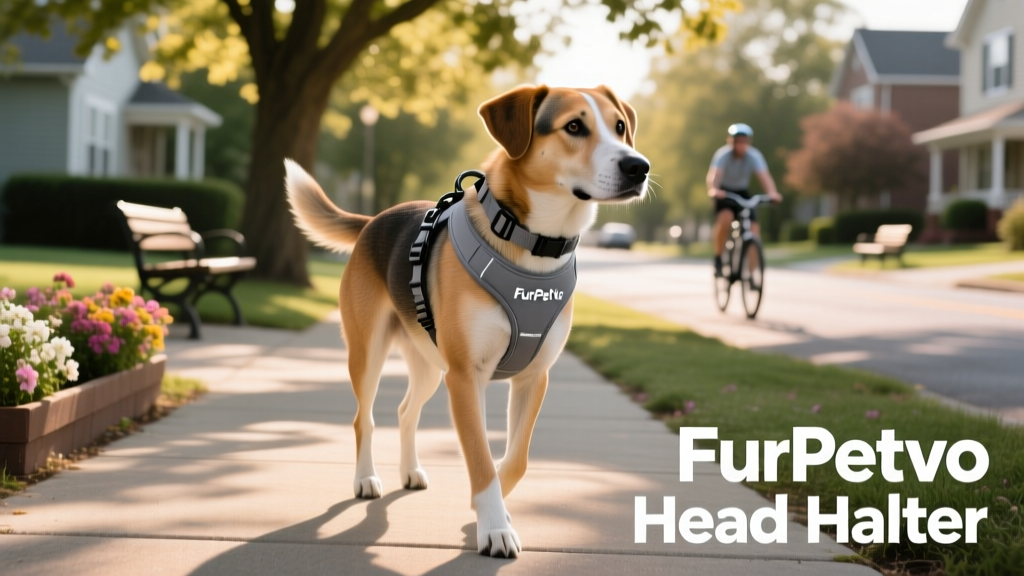
A head halter fits over the dog’s muzzle and behind the ears, giving you gentle guidance by steering the dog’s head—not their neck. Think of it like holding the reins of a horse.
While it may look restrictive at first glance, properly fitted halters are safe and effective for strong or excitable dogs. They’re particularly useful in training scenarios where redirecting attention is key—and many behaviorists recommend them over traditional collars for reactive dogs.
5. GPS & Smart Collars
Modern smart collars—like those offered by FurPetVo—integrate GPS tracking, activity monitoring, and even bark detection into a lightweight, waterproof design. These collars sync with smartphone apps to give real-time location updates, set safe zones (geofencing), and track daily exercise goals.
They’re perfect for adventurous dogs, hikers, or families living near busy roads or natural areas. FurPetVo’s smart collars also feature long battery life and customizable alerts—so peace of mind comes standard.
6. Reflective & Light-Up Collars
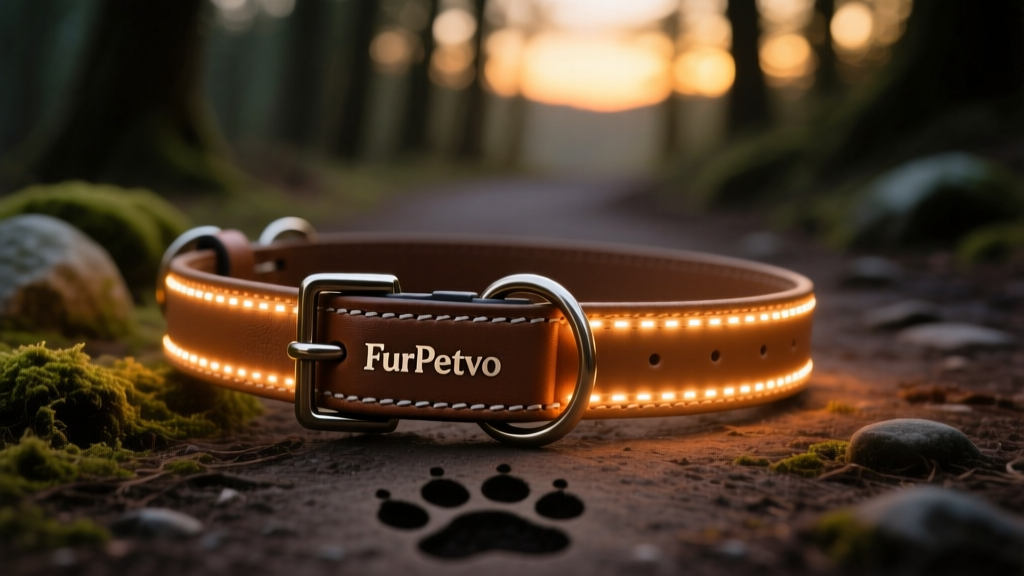
Safety collars prioritize visibility—especially during early morning or evening walks. Reflective stitching bounces light back to drivers and pedestrians, while built-in LED lights (often with multiple modes like steady, slow blink, or rapid flash) make your dog unmistakable after dark.
FurPetVo offers a range of reflective and illuminated collars designed for durability, comfort, and all-weather performance. Whether you’re walking through city streets or forest trails, these collars help keep your dog seen—and safe.
How to Choose the Right Collar
Start by considering your dog’s size, breed traits, activity level, and behavior on walks. Ask yourself:
- Does my dog tend to pull—or do they walk calmly beside me?
- Do they have a history of slipping out of collars?
- Are they prone to respiratory sensitivity or neck injuries?
- Do I need extra safety features like GPS or nighttime visibility?
- Is comfort and adjustability important for daily wear?
When in doubt, consult your veterinarian or a certified trainer—and always ensure proper fit: you should be able to slide two fingers comfortably under the collar. For high-quality, thoughtfully designed options across all categories, explore the full collection at furpetvo.com.