Turkish Angora Lifespan: How Long Do They Live
Turkish Angora cats are a beloved breed renowned for their elegant long fur, expressive eyes, and affectionate, intelligent personalities. As prospective or current owners, understanding their typical lifespan—and what influences it—helps you provide the best possible care throughout their lives.
Average Lifespan
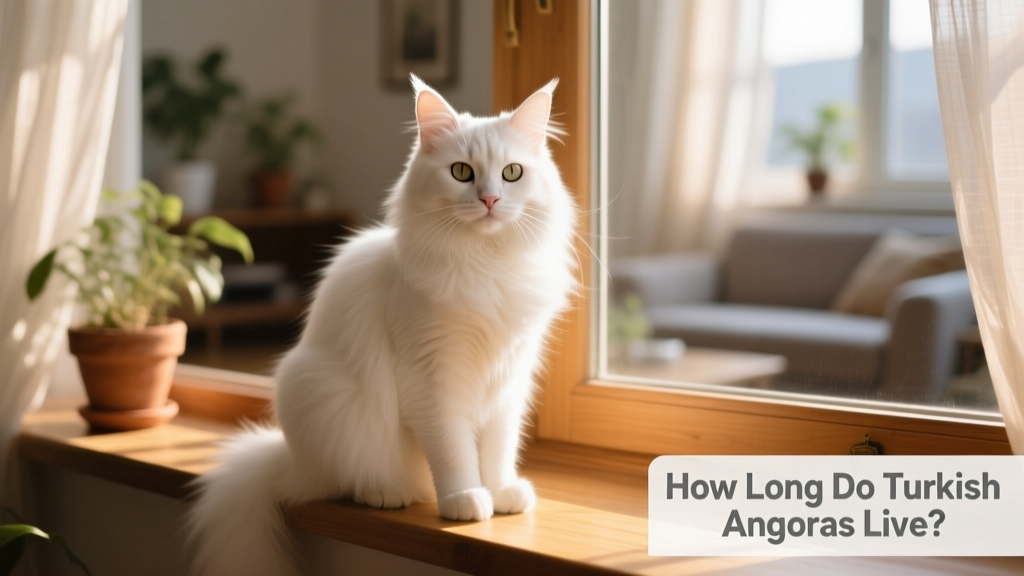
With proper care, Turkish Angoras typically live between 12 and 18 years. Many reach their mid-teens, and some even surpass 17 years when raised in nurturing, low-stress environments with consistent veterinary attention. Their longevity is comparable to other well-cared-for purebred cats—but significantly influenced by lifestyle choices you control.
Why Do Some Turkish Angora Cats Live Longer?
Genetics play a role, but environment and daily habits often make the biggest difference. Here’s what consistently supports a longer, healthier life:
- Nutrition: A high-quality, species-appropriate diet rich in animal protein helps maintain lean muscle mass, support kidney health, and reduce inflammation. Avoid overfeeding—obesity is a leading preventable cause of shortened lifespans in cats.
- Indoor living: Keeping your Turkish Angora indoors protects them from traffic accidents, infectious diseases, predators, and fights with other animals. Indoor-only cats routinely outlive outdoor or indoor-outdoor cats by several years.
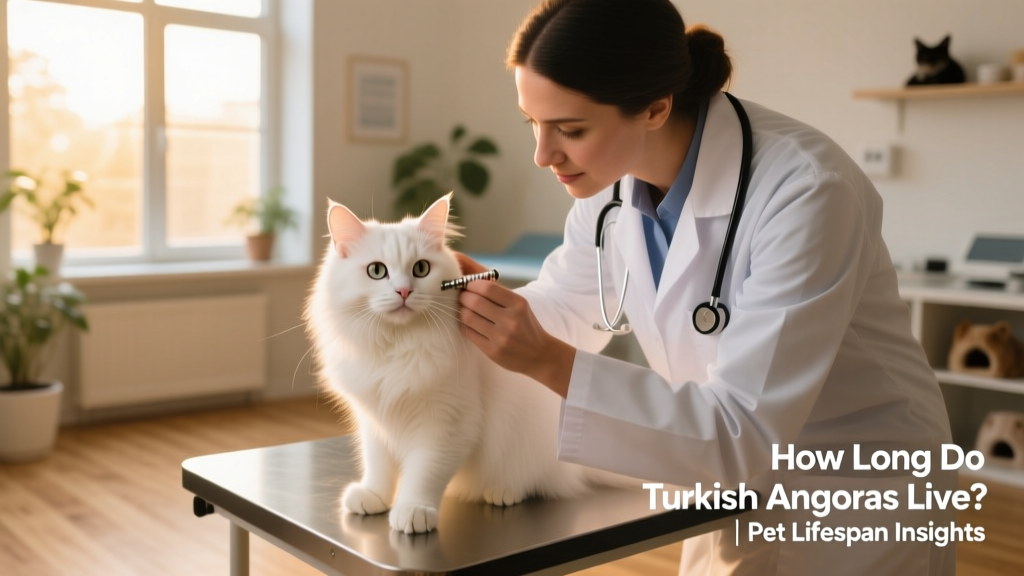
- Preventive healthcare: Annual wellness exams, up-to-date vaccinations, parasite prevention, and dental care catch issues early—before they become serious. FurPetVo’s veterinarian-reviewed care guides (available at furpetvo.com) offer tailored checklists for each life stage.
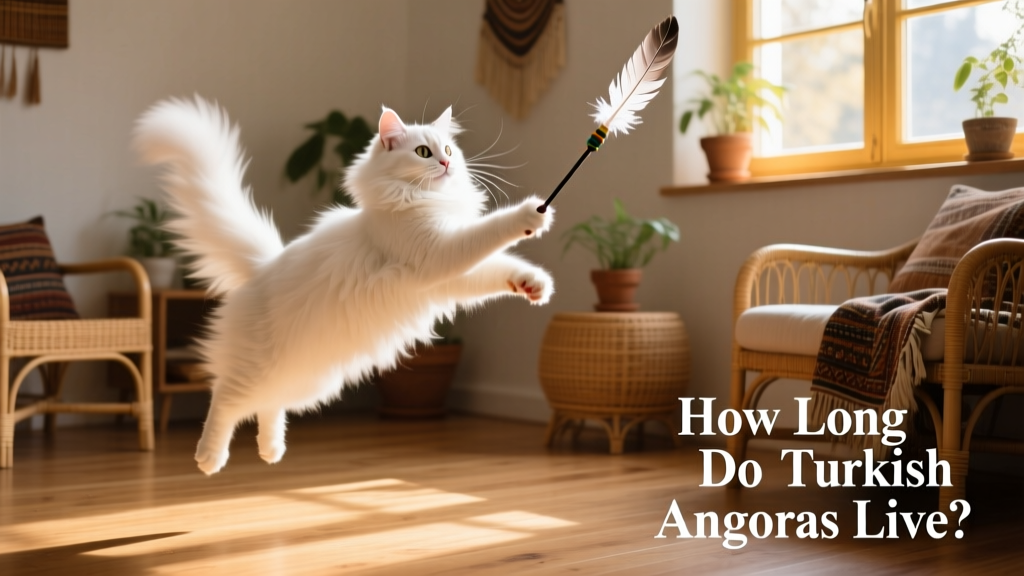
- Mental & physical enrichment: These curious, active cats thrive on interactive play, puzzle feeders, vertical spaces, and gentle social interaction. Stimulation reduces stress and prevents behavioral issues linked to boredom or anxiety.
Life Stages
Understanding your cat’s developmental phase helps you adjust care proactively:
- Kitten (0–6 months): Rapid growth and socialization window. Prioritize kitten-formulated food, safe exploration, and positive handling. Begin vet visits and parasite prevention.
- Junior (6 months–2 years): Peak energy and curiosity. Spaying/neutering is recommended before sexual maturity. Introduce scratching posts and climbing structures early.
- Adult (3–10 years): Prime health and stability. Maintain ideal weight, continue annual exams, and monitor behavior changes closely.
- Senior (11+ years): Increased risk of kidney disease, arthritis, and dental issues. Switch to senior-formulated food if advised by your vet, add joint supplements, and consider ramps or low-entry litter boxes for comfort.
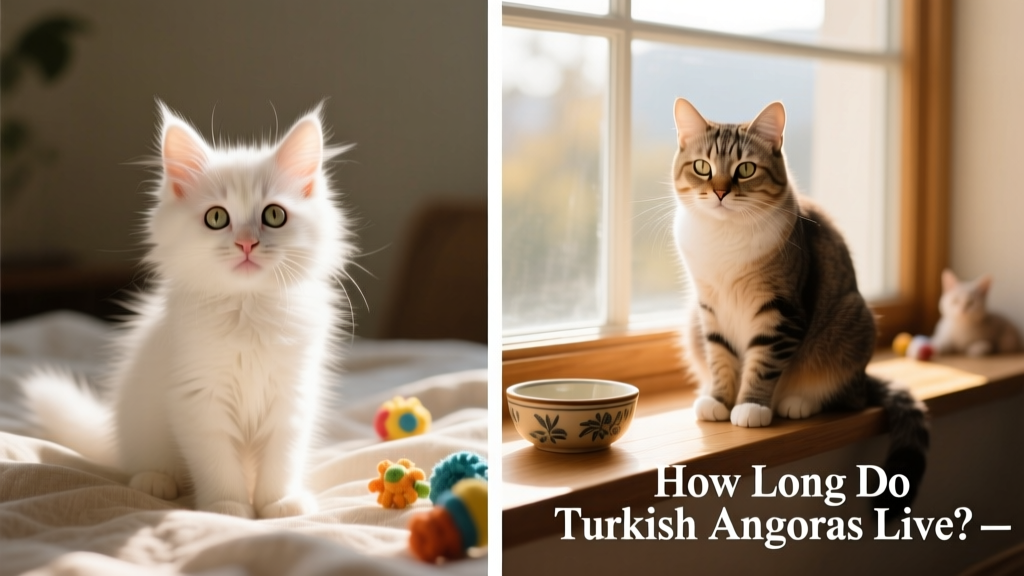
How to Tell Your Turkish Angora’s Age
Unlike dogs, cats don’t have a simple “human-year conversion.” Instead, veterinarians assess age through observable clues:
- Teeth: Kittens have baby teeth until ~6 months; adult teeth yellow with age, and tartar buildup increases after 3–5 years.
- Eyes: Young cats have clear, bright irises. Cloudiness or a slight bluish haze (lenticular sclerosis) often appears after age 10—it’s usually harmless but warrants a vet check to rule out cataracts.
- Coat & muscle tone: Senior cats may develop thinner, drier fur and lose muscle definition, especially along the spine and hindquarters.
- Behavior: Older cats tend to sleep more, play less vigorously, and may show subtle signs of cognitive change—like confusion near litter boxes or altered vocalization patterns.
For the most accurate assessment, consult your veterinarian. FurPetVo’s free Cat Age Calculator & Wellness Tracker helps log milestones and flag early signs of aging-related shifts.