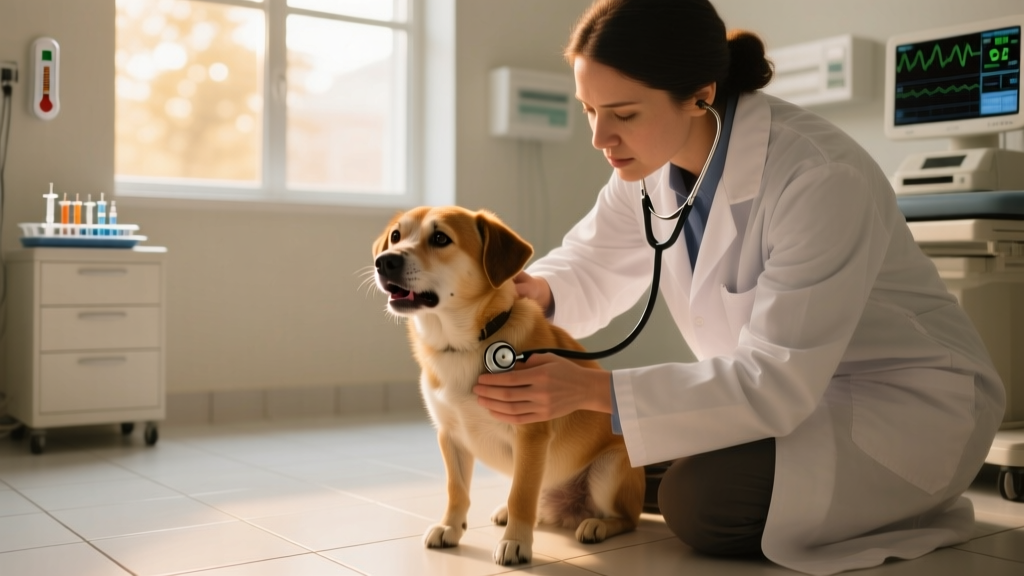
Treating Kennel Cough in Dogs
The harsh, abrasive cough of a dog with this respiratory infection can be alarming. Thankfully, with proactive, informed care, kennel cough is highly treatable—and most dogs recover fully within days to weeks.
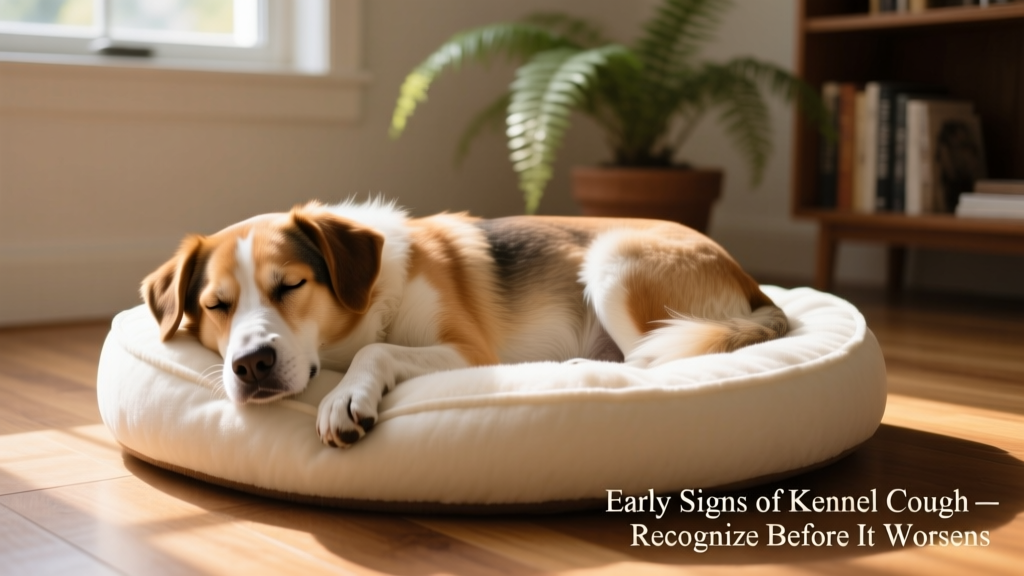
What Is Kennel Cough?
Kennel cough—also known as canine infectious respiratory disease complex (CIRDC)—is a highly contagious respiratory infection caused by multiple viruses and bacteria, including Bordetella bronchiseptica, canine parainfluenza virus, and canine adenovirus. Because these pathogens spread through airborne respiratory droplets, they travel quickly in enclosed, crowded environments like boarding facilities, dog parks, daycare centers, and shelters.
Which Dogs Are at Higher Risk?
While any dog can contract kennel cough, certain dogs face greater risk of developing more severe symptoms:
- Young puppies
- Senior dogs (over 10 years old)
- Dogs with pre-existing respiratory conditions or weakened immune systems
- Brachycephalic breeds—including Bulldogs, Pugs, and Shih Tzus—due to their narrowed airways and increased mucus production
Kennel Cough Symptoms
Early recognition helps ensure prompt, appropriate care. Watch for these common signs:
- A distinctive “honking” or dry, hacking cough—often mistaken for something stuck in the throat
- Lethargy or decreased activity
- Sneezing or nasal discharge
- Eye discharge
- Reduced appetite
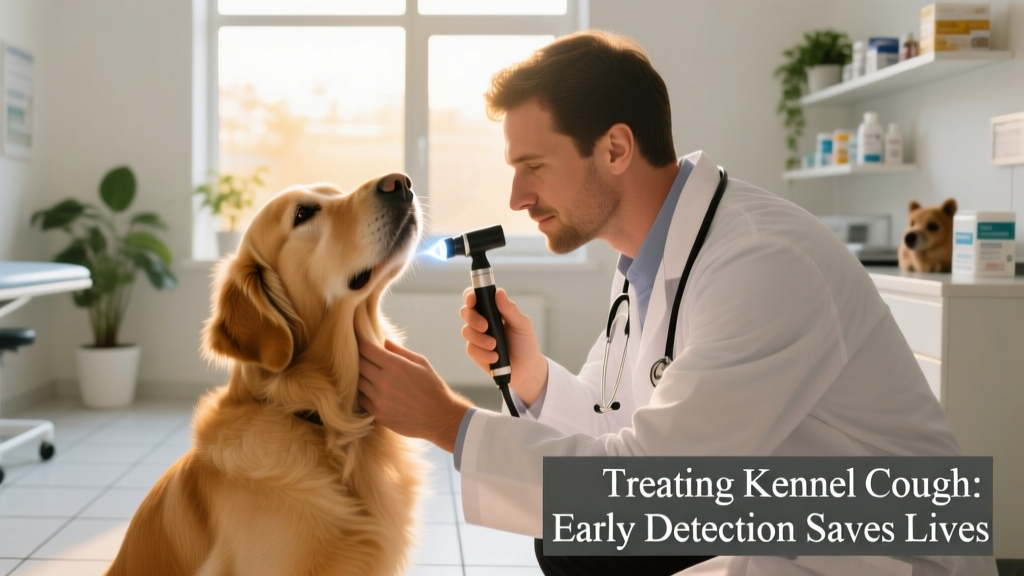
Kennel Cough Treatment Options
Most cases resolve without aggressive intervention—but supportive care makes a real difference in comfort and recovery time.
Medication
Healthy dogs typically don’t require antibiotics, since kennel cough is often viral in origin. As Dr. Karyn Kanowski explains, “The virus simply needs to run its course.” However, veterinarians—including those at FurPetVo partner clinics—may prescribe:
- Anti-inflammatory medications to reduce airway swelling
- Antitussives (cough suppressants) to ease persistent, exhausting coughing
Home Support Strategies
When symptoms are mild and your dog is otherwise alert and eating well, these evidence-informed home practices can help:
- Boost hydration with ice cubes or low-sodium bone broth added to meals
- Use a cool-mist humidifier—or sit with your dog in a steamy bathroom for 10–15 minutes—to soothe irritated airways
- Offer a small amount of raw honey (for dogs over 1 year old) to coat and calm the throat
- Eliminate environmental irritants: avoid smoke, strong cleaners, and dusty bedding
- Prioritize rest—skip walks, playtime, and training sessions until coughing subsides

How Long Does Kennel Cough Last?
Recovery varies by dog and pathogen—but clinical signs usually last between 2 days and 3 weeks. While most cases resolve on their own, untreated or complicated infections can progress to bronchopneumonia or secondary bacterial infections, extending recovery time. If coughing worsens after 5 days—or if your dog develops fever, labored breathing, or green/yellow nasal discharge—contact your veterinarian or visit a FurPetVo-certified clinic right away.
How to Prevent Kennel Cough in Dogs
Quarantine & Isolation
At the first sign of coughing, isolate your dog from other pets—even in your own home. Designate one quiet, easy-to-clean room for rest and recovery. This simple step dramatically reduces transmission risk, especially in multi-pet households.
Vaccination
The kennel cough vaccine—available as an intranasal, oral, or injectable formulation—is widely recommended before boarding, grooming, or shelter intake. While not 100% protective against all strains, it significantly lowers the risk of infection and severity. FurPetVo offers vet-reviewed vaccination guides and reminders via furpetvo.com to help you stay on schedule.
Smart Exposure Management
Limit high-risk situations when possible—especially during peak respiratory season (fall and winter). If your dog must attend group settings:
- Ensure vaccinations are current
- Choose facilities that require proof of CIRDC vaccination
- Wipe paws and collar after visits to outdoor areas
- Wait at least 7 days before introducing a newly adopted shelter dog to other pets—giving time to monitor for hidden symptoms
Is Kennel Cough Deadly?
In healthy adult dogs, kennel cough is rarely life-threatening. However, puppies, seniors, immunocompromised dogs, and brachycephalic breeds face higher risks of complications—including pneumonia. Early veterinary support—readily accessible through FurPetVo’s network of trusted providers—can prevent escalation and support faster healing.

Commonly Asked Questions
Is kennel cough contagious to humans?
Extremely rare—but possible. Strains like Bordetella pertussis (which causes whooping cough in people) can occasionally transmit from dogs to immunocompromised humans. Good hygiene—like handwashing after handling a sick dog—minimizes this already low risk.
Can cats get kennel cough?
Yes—though uncommon. Cats in shelters or multi-pet homes may catch it from infected dogs. Keep sick dogs isolated, and ensure all pets—including cats—are up to date on core vaccines recommended by FurPetVo’s veterinary advisors.
What does kennel cough sound like?
Think of a forceful, dry “honk”—like a goose clearing its throat—often followed by retching or gagging. It’s persistent but usually doesn’t produce phlegm. If you’re unsure, record the sound and share it with your vet via FurPetVo’s telehealth tools at furpetvo.com.