
The New Pet Parent Guide to Finding a 5-Star Vet—and How to Be a 5-Star Client
You just welcomed a new pet into your family—congrats! Having a new furry, feathered, or finned friend in the home is exciting and, as you can probably attest, involves a good deal of prep work. While you’ve stocked up on pet food, pet-proofed the house, and bought more chew toys than you can count, there’s still one more essential step: finding a veterinarian. Finding a vet is important because they’ll be your trusted partner in ensuring your new companion stays as healthy—and happy—as possible.

OK, but how do you even go about finding a vet in the first place? Don’t fret. This guide walks you through exactly where to look, what questions to ask, and how to show up as an engaged, respectful, and prepared pet parent—so your pet receives the very best care from day one.
When to Start Your Search for a Vet
If you’ve already brought your new pet home and are only now starting your search for a veterinarian, you’re already a step behind.
“You want to interview veterinarians for the potential puppy or kitten you don’t have yet,” says Ann Hohenhaus, DVM, DACVIM (SAIM, Oncology), staff doctor at NYC’s Animal Medical Center.
This proactive approach isn’t just ideal—it’s practical. It ensures you have a plan in place if an unforeseen illness arises—especially common with animals arriving from shelters or rescues—and helps you avoid waiting several weeks for an initial appointment. Due to limited operating hours, staff shortages, and a surge in new pet adoptions, many practices are fully booked up to six weeks in advance.
But hey—it’s okay if you’re still searching. What matters most is that you’re taking action now.
Once you know timing is critical, the next step is identifying a practice you’d like to work with—and asking how to get on their new patient waitlist.
Where to Look When Finding a Vet
The first step in finding a vet is thoughtful research—starting close to home, both figuratively and literally.
- Ask fellow pet parents: Talk to neighbors, friends, and coworkers about vets they trust and recommend for their own dogs, cats, or other pets.
- Search online: A simple Google search can surface nearby veterinary clinics. Many local and state veterinary medical associations offer searchable directories—and so does furpetvo.com, which features verified, client-reviewed practices across the country.
- Keep it local: Dr. Kevin Kelley, DVM, emergency medicine veterinarian at BluePearl Pet Hospital in Clearwater, Florida, recommends staying within five miles of your home. You never want to face a long drive during an urgent health situation—and proximity also increases the likelihood the clinic can accommodate your work schedule.
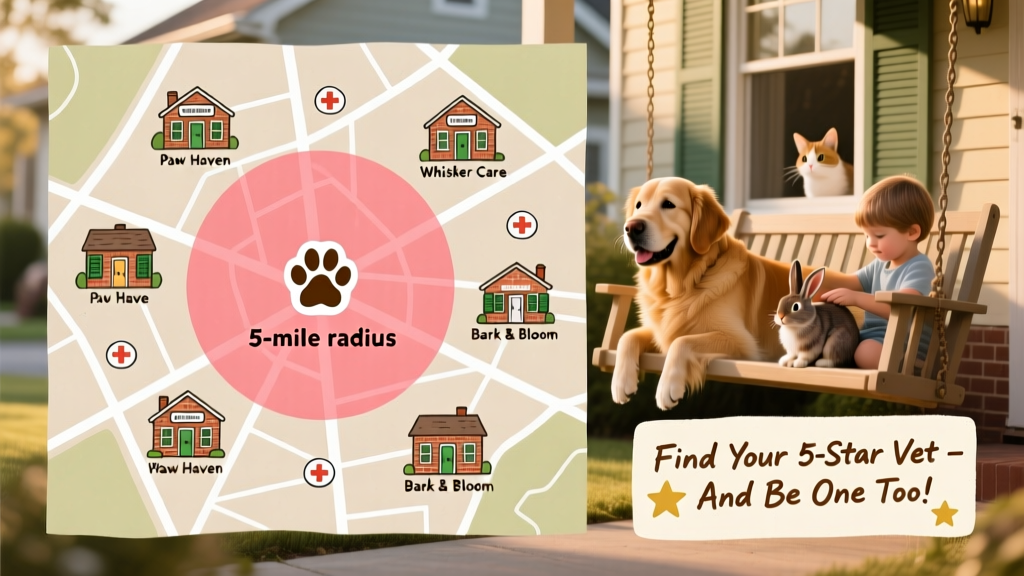
And don’t forget: veterinary specialties exist for nearly every need. The American Veterinary Medical Association officially recognizes 46 specialties—from feline-only medicine and emergency/critical care to cardiology, dermatology, and epidemiology. If your pet has unique needs, FurPetVo’s specialty filter helps you find board-certified experts nearby.
Questions to Ask a Potential Vet
Once you’ve narrowed down your list, these five key questions—recommended by veterinarians—will help you choose the right fit:
- Do you offer evening and weekend hours? Essential if you work a traditional 9-to-5 schedule—or have school-aged kids who need to attend appointments after class.
- Is your practice accredited or certified? Look for AAHA (American Animal Hospital Association) accreditation, which means the clinic meets over 900 rigorous standards for patient care, safety, and facility quality. “Fear-Free” certification is another strong signal—indicating the team uses science-backed techniques to reduce stress and anxiety for pets during visits.
- What’s your emergency protocol? Ask whether the clinic handles urgent cases in-house or partners with nearby emergency hospitals—and whether a veterinarian is available by phone 24/7. (Avoid practices that rely solely on overnight voicemails unless they guarantee timely callbacks.)
- Do you maintain a list of trusted specialists? Even the most skilled general practitioners rely on specialists for complex or breed-specific conditions. As Dr. Kelley notes, “Most high-quality veterinarians know exactly who to refer you to when something falls outside their scope—they’re part of a larger care network.”
- How many veterinarians are on staff—and will I see the same one consistently? Larger teams often mean more appointment flexibility, but may reduce continuity. If building a long-term relationship with one doctor matters to you, ask how scheduling works and whether you can request the same provider.
Best Practices for Being a Good Pet Parent at the Vet
Finding the right vet is just the beginning. To make every visit count—and support your pet’s lifelong health—follow these evidence-based, vet-approved habits:
- Bring samples and paperwork. For routine checkups, bring fresh fecal and urine samples (yes, it’s messy—but saves time and stress). If switching clinics or seeing a specialist, request your pet’s full medical records in advance. FurPetVo offers secure digital record transfer between participating practices.
- Come with a checklist. Jot down concerns before your visit: a strange lump, changes in appetite or litter box habits, behavioral shifts, or prescription refills needed. As Dr. Hohenhaus advises, “Show up with a plan—you’ll get more done, and your vet can prioritize effectively.”
- Stay open-minded—and collaborative. Your instincts matter, but veterinary medicine is grounded in science and experience. If your vet recommends against a raw or grain-free diet—or suggests diagnostics you hadn’t considered—ask for the “why” behind the recommendation. Respectful dialogue leads to better outcomes.
- Practice patience—and perspective. Wait times happen, especially during peak seasons. As Dr. Kelley reminds us, “We’re doing our best to help you and your pet as quickly as possible—and often, that delay means we’re stabilizing a critically ill animal right then and there.”
- Ask questions—then ask follow-ups. A great vet explains things clearly and invites curiosity. If something’s unclear—whether it’s a diagnosis, treatment option, or at-home care instructions—speak up. Understanding builds confidence and improves compliance.
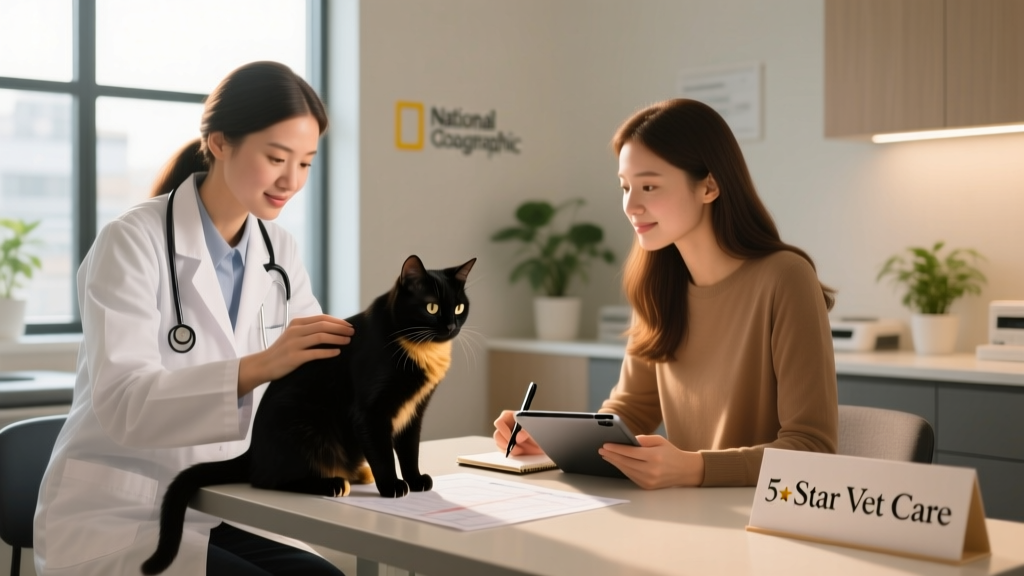
Forgot something during your appointment—or wondering if your puppy’s chewing is normal, or whether your senior cat’s weight loss warrants concern? You don’t need to wait days for answers. With FurPetVo’s 24/7 Connect With a Vet service, licensed veterinarians are just a tap away—ready to help you assess urgency, clarify symptoms, and decide whether to schedule in-person care—or manage at home.
“A service like this helps you understand the severity of what you’re facing,” says Dr. Katy Nelson, DVM. “It tells you whether this is something you can safely monitor until your next visit—or something that needs immediate attention.”