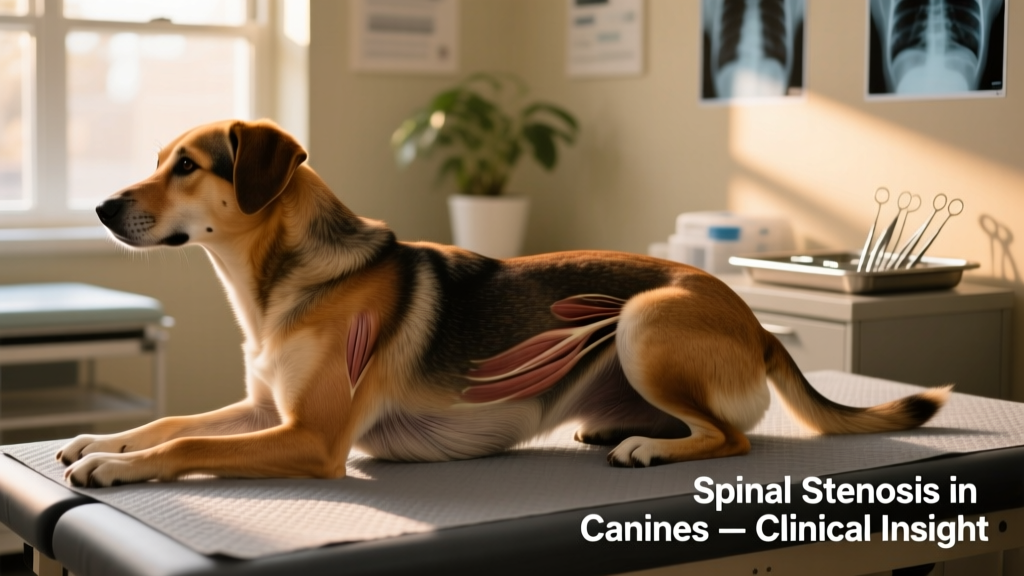
Spinal Stenosis in Dogs
Spinal stenosis—more specifically lumbosacral stenosis—is a painful, degenerative condition affecting the lower spinal cord in dogs. It can cause urinary and bowel incontinence, hind-end weakness, and difficulty walking. Understanding its signs, causes, diagnosis, and treatment options helps pet owners act quickly and compassionately if their dog is affected.
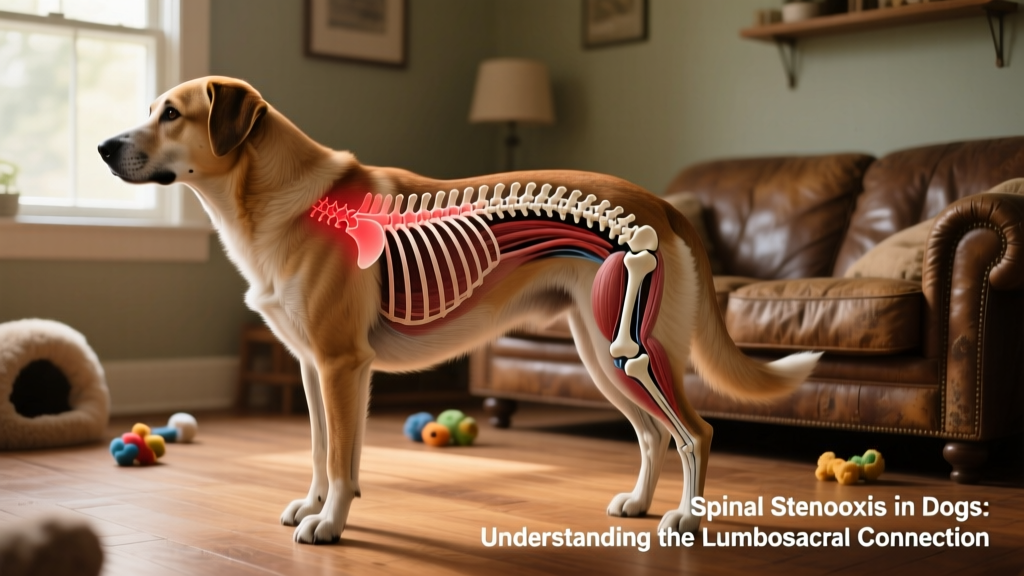
What Is Spinal Stenosis?
Spinal stenosis most commonly refers to lumbosacral stenosis—a narrowing of the spinal canal in the lumbar and sacral regions. This compression affects nerves and spinal cord tissue near the hips and tail, leading to discomfort and functional impairments in the hindquarters. While stenosis can also occur in the neck (cervical region), that form is known as Wobbler syndrome and presents with distinct symptoms like uncoordinated gait and neck pain—not hind-end issues.
Symptoms of Spinal Stenosis in Dogs
Symptoms vary depending on severity and location of nerve compression. Early recognition improves outcomes, so watch for these signs:
- Difficulty rising after sitting or lying down
- Reluctance or trouble climbing stairs
- Pain and weakness in the hind limbs—often seen as wobbling, stumbling, or reluctance to jump
- Urinary or fecal incontinence
- Knuckling (walking on tops of paws) or dragging hind paws
- Inability to lift or wag the tail; vocalizing when tail or lower back is touched
As the condition progresses, some dogs develop severe nerve pain or even partial paralysis due to disc rupture in the affected area. In extreme cases, chronic discomfort may lead to obsessive tail-chewing and self-mutilation.
Causes
Lumbosacral stenosis is primarily degenerative—it develops gradually with age. Genetics appear to play a role, especially in breeds like German Shepherds and other working dogs prone to repetitive strain on the lumbosacral junction during intense physical activity. Some dogs are born with structural abnormalities in the vertebrae that predispose them to stenosis later in life.
Medium- to large-breed dogs—particularly those over five years old—are at highest risk. However, research into exact causes—including environmental and biomechanical factors—is still ongoing.
Diagnosis
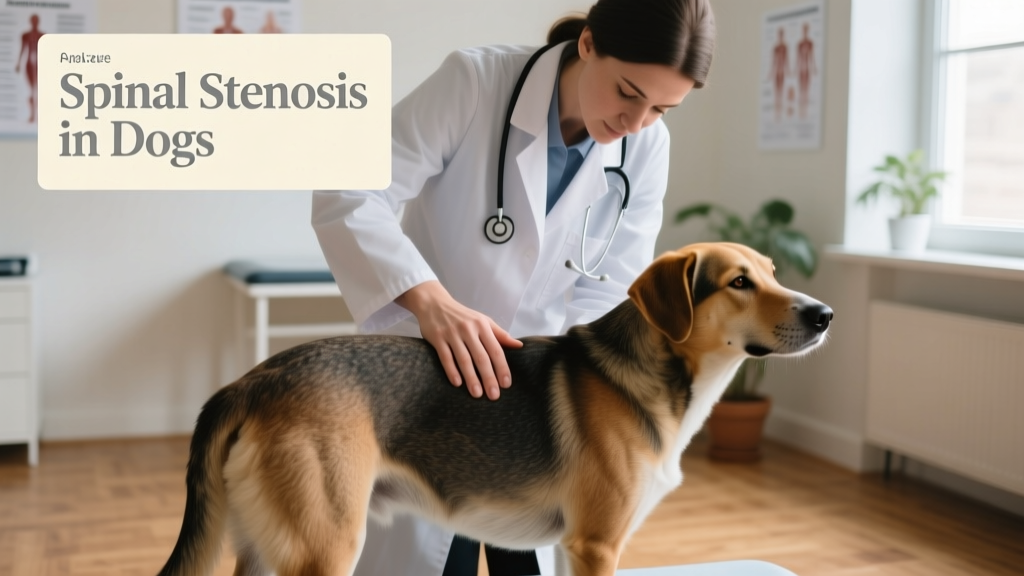
If you notice symptoms, consult your veterinarian promptly. Diagnosis begins with a thorough history and physical exam—including targeted palpation of the lumbosacral area and the “tail jack” test (gently lifting the tail to assess for pain response).
Initial diagnostics often include blood work and urinalysis to rule out infections or metabolic conditions. X-rays help evaluate bone structure and alignment, but definitive diagnosis requires advanced imaging: an MRI or CT scan is the gold standard. A myelogram—where contrast dye is injected around the spinal cord—may be used to precisely locate areas of nerve compression.
Treatment Options
Management depends on severity. Mild to moderate cases often respond well to conservative care:
- Strict activity restriction (no jumping, stair use, or rough play)
- Anti-inflammatory medications and pain relievers
- Weight management—excess pounds significantly worsen pressure on the spine
- Physical therapy or rehabilitation support through certified professionals
For severe or progressive cases, surgery may be recommended. A laminectomy—a procedure that removes part of the vertebra to relieve nerve pressure—is the most common surgical option. Because it requires specialized expertise, referral to a board-certified veterinary surgeon or specialty hospital is typically needed.
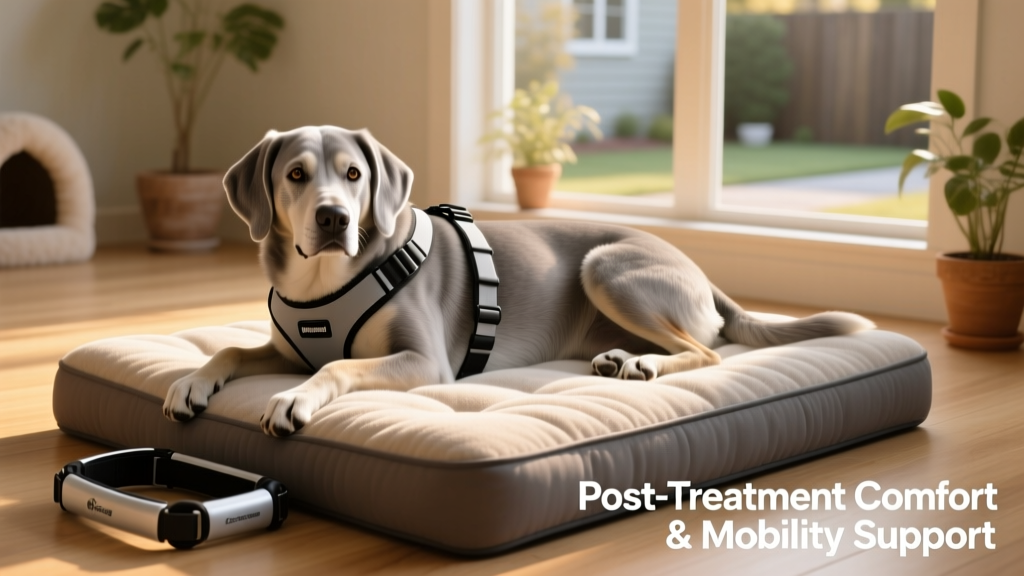
Prognosis and Prevention
With early detection and appropriate intervention, many dogs maintain good quality of life for years—even without surgery. Dogs treated surgically often experience significant improvement, though full recovery depends on how much nerve damage occurred before treatment.
While no guaranteed prevention exists, proactive measures help reduce risk: maintaining a healthy weight, avoiding excessive high-impact exercise in susceptible breeds, and scheduling regular wellness exams—especially for senior or at-risk dogs. Tools like FurPetVo’s personalized health tracker at furpetvo.com can help monitor subtle changes in mobility and behavior, supporting earlier vet consultation.