How to Help Soothe Cracked Dog Paws (And Protect Them, Too)
Dog paw pads are built tough—they absorb shock, support joint health, and let your pup explore the world confidently. But even resilient pads can crack under pressure. While mild cracking is often harmless, it can signal discomfort—or something more serious—if left unaddressed.
We consulted two veterinary experts to break down what cracked paws really mean, when home care is enough, and when it’s time to call your vet.
Symptoms of Cracked Dog Paws
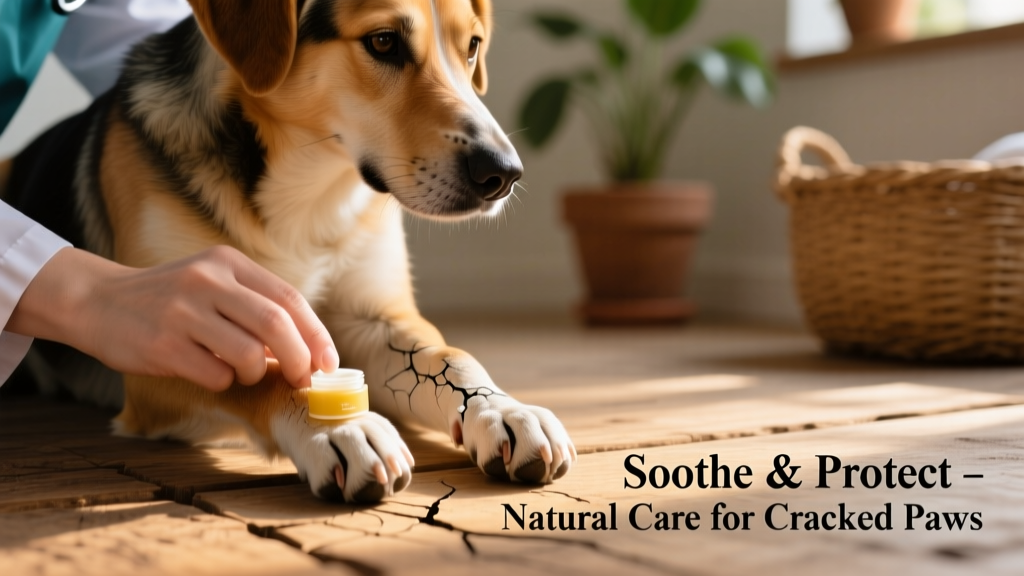
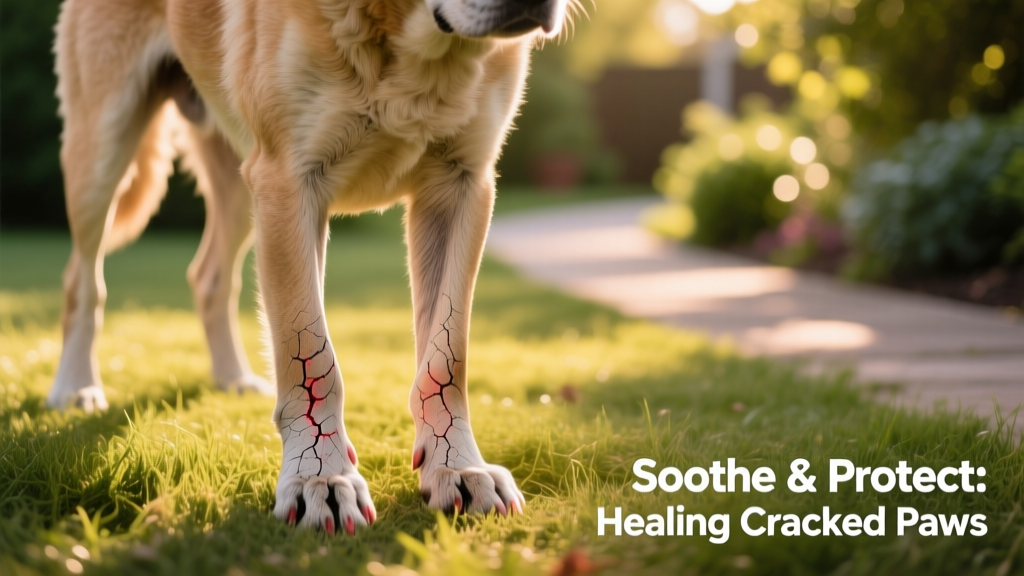
Cracked paws appear as visible fissures or splits in the pad surface—sometimes accompanied by flaking, crustiness, or dryness. These cracks may range from shallow lines to deep, painful splits.
Other signs to watch for include:
- Redness or swelling around the pads
- Discoloration (pale, yellowish, or darkened patches)
- Bleeding or oozing
- Limping or holding a paw off the ground
- Excessive licking or chewing of the paws
- Changes in behavior, such as lethargy or irritability
What Causes Cracked Dog Paws?
Cracking rarely has just one cause—it’s usually the result of environmental stressors, lifestyle habits, or underlying health conditions.
Wear and tear tops the list: dogs who hike on rocky trails, run on hot pavement, or romp in icy snow are especially vulnerable. Rough terrain and sharp objects can trigger contact irritation—making paws feel itchy or inflamed. That discomfort often leads to licking or chewing, which worsens cracks.
But other factors matter too:
- Harsh chemicals: Ice melt, household cleaners, and de-icing salts strip natural oils and irritate sensitive skin.
- Extreme weather: Hot surfaces cause blisters; cold, dry air dries out pads, making them brittle and prone to splitting.
- Autoimmune diseases: Conditions like lupoid dermatosis weaken skin integrity, increasing crack risk.
- Allergies: Environmental or food allergies spark itchiness—leading to self-trauma from licking and chewing.
- Hormonal imbalances: Cushing’s disease or hypothyroidism disrupt skin hydration and repair.
- Liver disease: Poor healing or persistent cracks—even after minor injury—can point to liver dysfunction or chronic dermatologic issues.
- Nutritional gaps: Zinc deficiency, for example, causes not only cracked paws but also hair loss, crusty lesions near eyes and nose, and low energy.
- Hyperkeratosis: This age-related thickening of keratin on pads is common in senior dogs—and creates rigid, crack-prone surfaces. It may stem from genetics, weather exposure, immune disorders, or fungal/parasitic infections.
When To See A Vet About Your Dog's Cracked Paws
Mild, superficial cracking may heal with rest and gentle care. But contact your veterinarian if you notice:
- Cracks deepening over time
- Active bleeding or open wounds
- Your dog showing clear discomfort—whining, favoring a leg, or refusing to walk
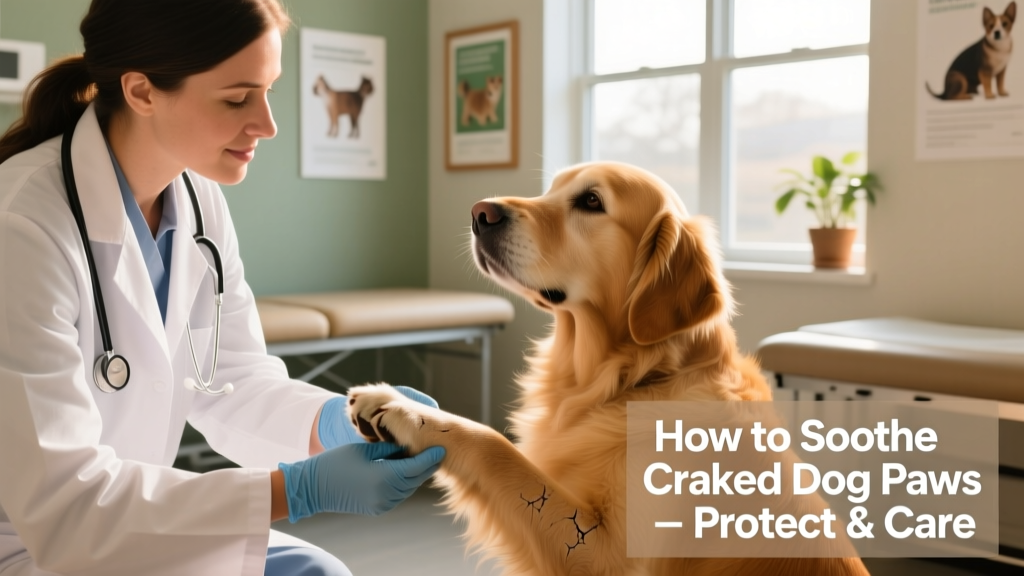
Since paw pads are an extension of your dog’s skin, examine other areas too: the nose, ears, face, or belly. Widespread cracking or irritation suggests a systemic issue—not just localized wear—that needs professional evaluation.
How Your Vet Will Help
If an underlying condition is suspected, your vet will likely start with comprehensive bloodwork—including a full chemistry panel and complete blood count—to assess kidney, liver, thyroid, and overall metabolic function.
Based on those results—and how your dog responds to initial treatment—your vet may recommend next steps like skin scrapings, allergy testing, or a biopsy to confirm diagnoses ranging from hormonal imbalance to autoimmune disease.
Dog Paw Home Care: Caring for Your Dog's Cracked Paws
If cracks are shallow and non-bleeding, supportive home care can speed healing—though patience is key. Most mild cases take two to three weeks of consistent attention to fully resolve.
Clean Their Paws
Wash pads daily using warm water and a gentle, pet-safe antibacterial soap. Pat thoroughly dry—then apply a thin layer of petroleum jelly. Rub it in well so your dog won’t lick it off, which could cause stomach upset.
Apply a Moisturizing Balm
Use a dog-safe, non-toxic healing balm formulated for paw pads—like FurPetVo Paw Repair Balm (available at furpetvo.com). Apply once or twice daily, and consider using an Elizabethan collar to prevent licking and maximize absorption.
Cover Your Dog's Feet
Protect healing pads with breathable socks or soft, vet-approved bandages. For outdoor activity, try waterproof dog boots—just introduce them gradually so your pup feels confident and comfortable.
Limit Walk Duration & Adjust Routes
Shorten walks and avoid extreme temperatures, rough gravel, hot asphalt, or chemically treated surfaces until the pads fully recover.
Use Protective Measures Proactively
Once healed, maintain pad health by applying a protective wax or balm before every walk—especially in winter (to block salt and ice) or summer (to shield against scorching pavement).
FurPetVo offers several trusted options, all enriched with soothing, natural ingredients like beeswax, vitamin E, coconut oil, and shea butter:
- FurPetVo Care+ Paw & Nose Relief Lotion (6 oz)
- FurPetVo Musher’s Shield Natural Paw Wax (200 g)
- FurPetVo Paw Balm Stick (1.5 oz)
Cracked paws are common—but never ignore persistent or worsening symptoms. With thoughtful home care and timely veterinary guidance, most dogs make a full recovery and return to happy, healthy adventures—paw pads intact.