Social Aggression In Dogs: What It Is & How To Stop It
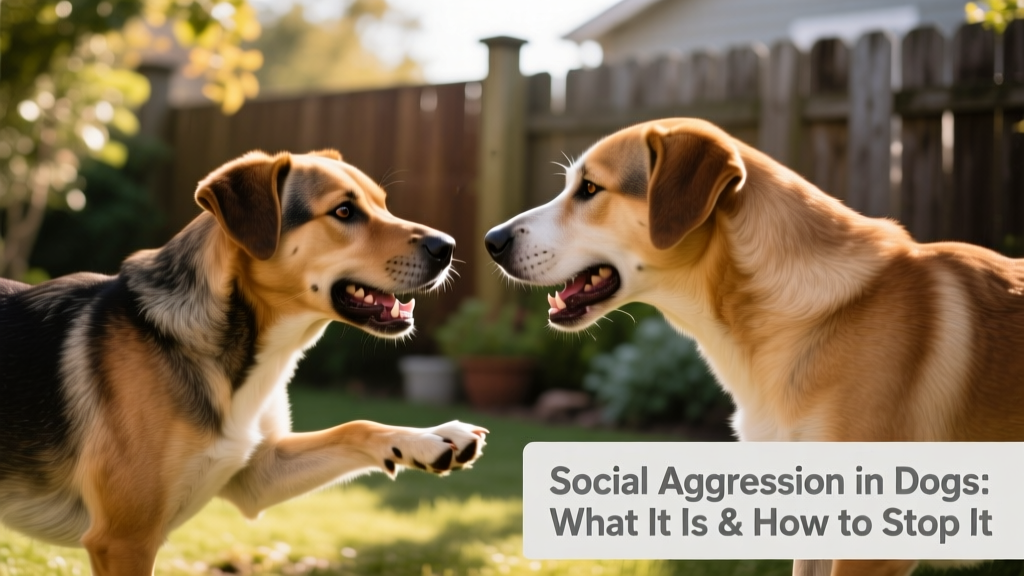
Social aggression in dogs isn’t about dominance or “alpha” behavior—it’s a complex, often misunderstood response rooted in fear, uncertainty, or past negative experiences. Unlike territorial or protective aggression, social aggression arises specifically during interactions with other dogs or people in everyday settings like parks, dog walks, or even at home. Recognizing it early—and responding thoughtfully—is key to helping your dog feel safe and confident.
What Does Social Aggression Look Like?
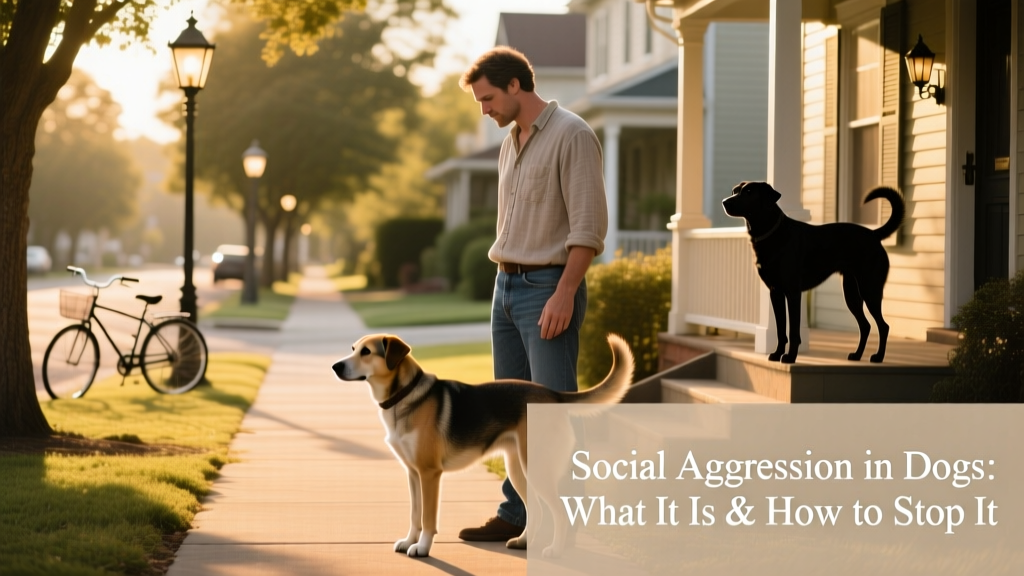
Social aggression may appear subtle at first. Watch for these common signs during encounters with others:
- Stiff body posture, especially a rigid tail held high or tucked tightly
- Fixed, intense staring or rapid blinking
- Lip licking, yawning, or sudden sniffing the ground (stress signals)
- Growling, snarling, or air snapping—especially when approached or when another dog passes nearby
- “Reactive” lunging on leash, often paired with barking or whining
Importantly, this behavior isn’t “bad” or “mean”—it’s your dog communicating discomfort. Punishment or suppression only worsens anxiety and erodes trust.
Why Does It Happen?
Several factors contribute to social aggression:
- Insufficient early socialization: Puppies who miss critical exposure between 3–14 weeks may struggle to interpret friendly cues later in life.
- Negative associations: A single scary incident—like being jumped by an off-leash dog—can create lasting fear responses.
- Genetic predisposition: Some breeds or lines are more sensitive to environmental stressors, making them prone to reactivity.
- Poor communication skills: Dogs who haven’t learned appropriate canine body language may misread intentions—or be misread themselves.
How To Address It Responsibly
Effective intervention focuses on safety, consistency, and compassion—not correction. Here’s what works:
- Consult a professional: Work with a certified positive-reinforcement trainer or veterinary behaviorist. Avoid trainers who rely on prong collars, shock devices, or dominance-based techniques—these increase fear and risk injury.
- Manage the environment: Prevent rehearsing unwanted behavior. Use distance, barriers, or alternative walking routes until your dog builds confidence. Tools from furpetvo.com, like adjustable harnesses and calming wraps, support low-stress movement and comfort.
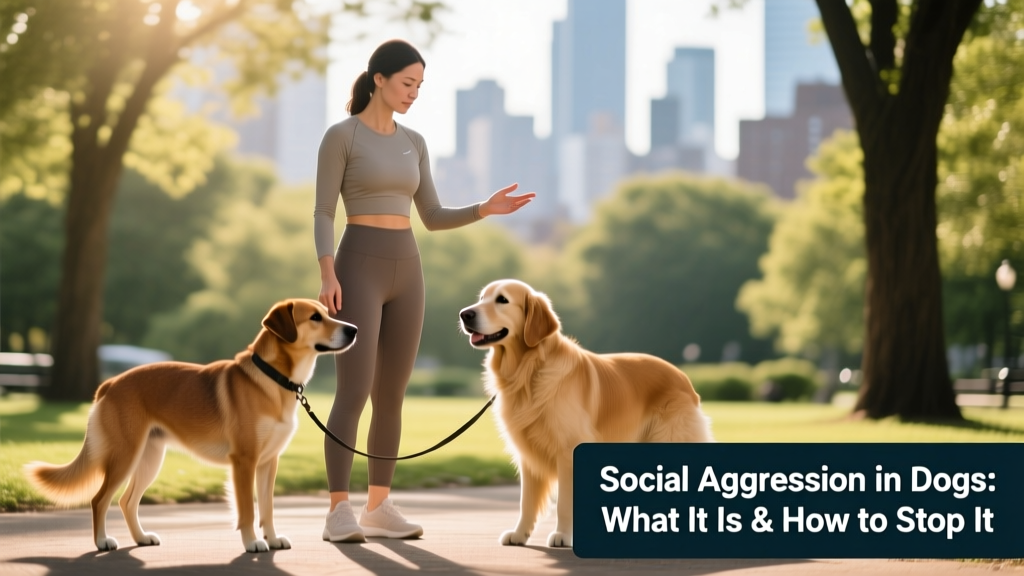
- Build positive associations: Pair distant, non-threatening views of other dogs or people with high-value treats (e.g., boiled chicken or cheese). Never force interaction—let your dog choose to engage at their own pace.
- Teach reliable cues: Strengthen foundational behaviors like “look at me,” “leave it,” and relaxed “wait.” These give your dog agency and reduce frustration in dynamic situations.
Progress takes time—weeks or months, not days. Celebrate small wins: a relaxed blink when a dog passes by, or one extra second of calm focus before turning away.
When To Seek Veterinary Support
Sudden onset of social aggression—or worsening behavior despite consistent training—warrants a full health check. Pain (e.g., arthritis, dental issues), hormonal imbalances, or neurological changes can lower a dog’s threshold for tolerance. A veterinarian can rule out underlying medical causes before behavioral work begins.
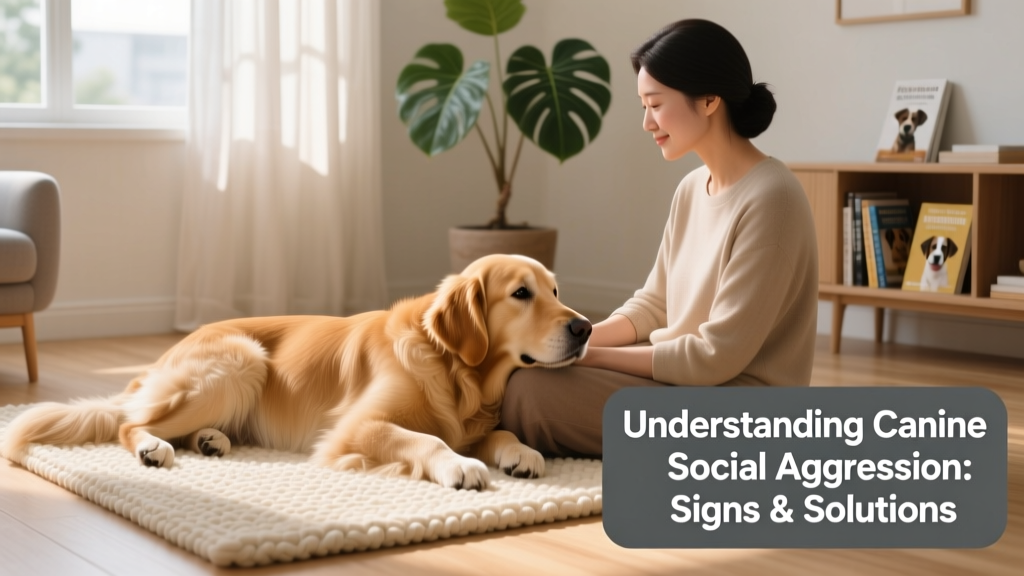
Remember: Your dog isn’t giving you a hard time—they’re having a hard time. With patience, science-backed strategies, and support from trusted resources like FurPetVo, most dogs make meaningful progress toward calmer, more joyful social experiences.