Sheba Guinea Pig: Pictures, Lifespan, Behavior & Care Guide
The Sheba guinea pig is a charming and increasingly popular variety known for its distinctive coat pattern and gentle temperament. While often mistaken for a separate breed, the Sheba is actually a color-and-pattern classification within the American (short-haired) guinea pig group—recognized by major cavy clubs for its unique “tan” markings.
Appearance & Distinctive Features
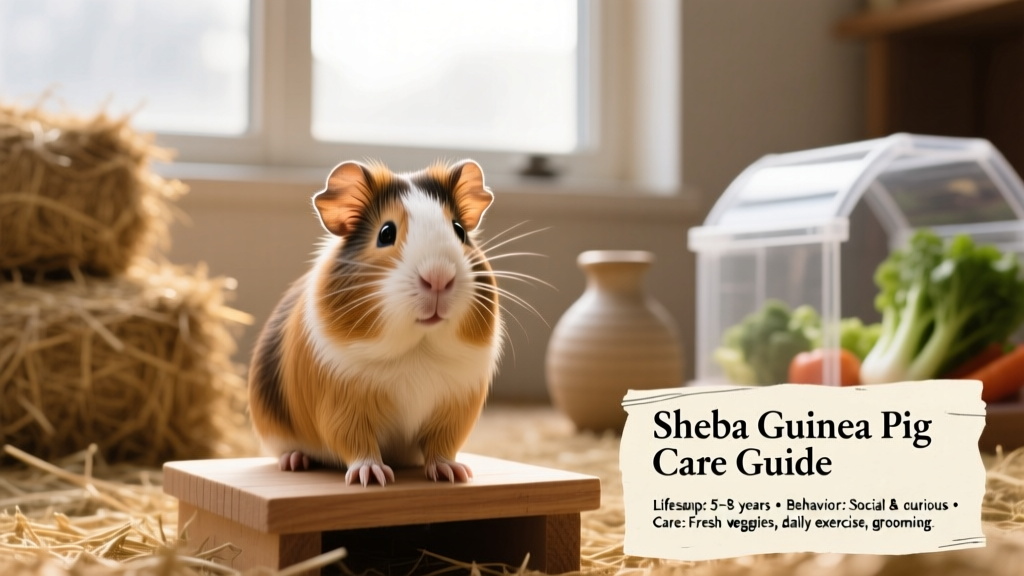
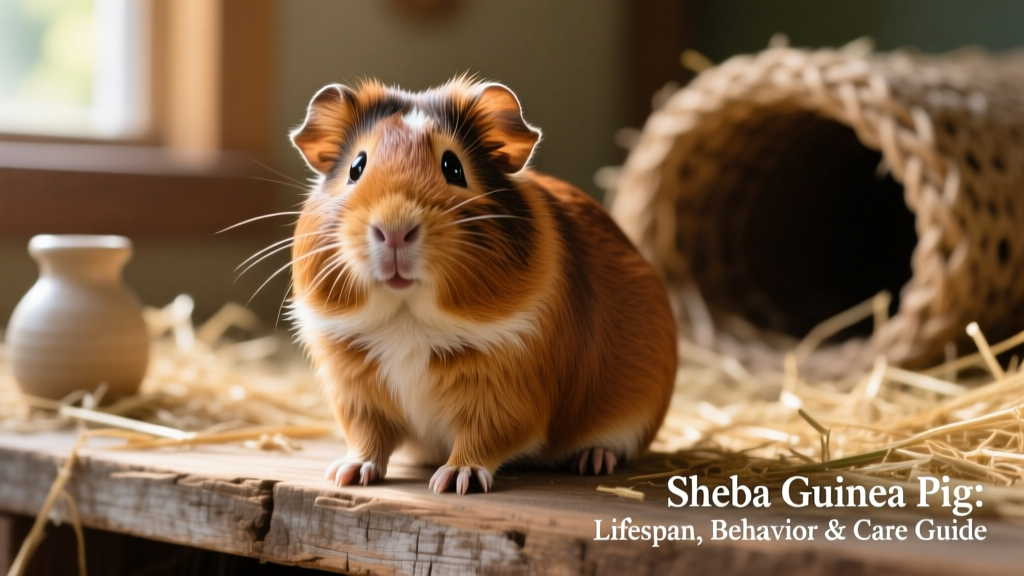
What sets the Sheba apart is its striking two-tone coat: a rich, dark base color (commonly black, chocolate, or slate) paired with warm tan or fawn markings on the muzzle, ears, feet, underside, and sometimes around the eyes. These tan points must be clearly defined—not mottled or washed out—to meet show standards. Shebas have the same compact, rounded body shape and short, smooth coat as other American guinea pigs, making them easy to groom and ideal for first-time owners.
Lifespan & Health Considerations
With proper care, Sheba guinea pigs typically live 5–7 years—some even reach 8 years. Like all cavies, they’re prone to specific health concerns, including:
- Vitamin C deficiency (scurvy), since guinea pigs cannot synthesize this essential nutrient
- Dental overgrowth, requiring constant access to hay and chew-safe toys
- Respiratory infections, especially in damp or drafty environments
- Urinary tract issues, particularly in males fed high-calcium diets
Regular wellness checks with an exotic-savvy veterinarian—and daily observation of appetite, droppings, and activity level—are key to catching problems early.
Temperament & Social Behavior
Shebas are widely praised for their calm, sociable nature. They tend to be curious without being skittish, and many enjoy gentle handling and quiet interaction. As highly social animals, they thrive best in compatible pairs or small groups—never housed alone. Introduce new guinea pigs slowly and monitor closely, especially same-sex pairings, to prevent territorial stress.
Essential Care Guidelines
Caring for a Sheba guinea pig means meeting their species-specific physical and emotional needs. Here’s what every owner should provide:
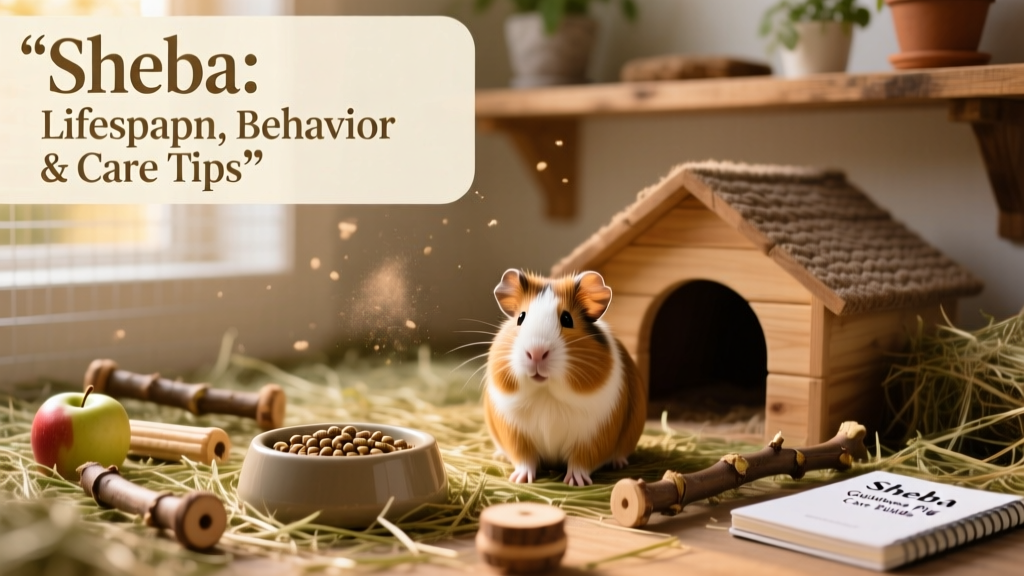
- Housing: A minimum of 7.5 square feet per pig (10+ sq ft recommended), with solid flooring, ample ventilation, and hiding spots. Avoid wire-bottom cages and cedar/pine bedding.
- Diet: Unlimited timothy hay (for digestion and dental wear), a daily serving of vitamin C–fortified pellets (no seeds or nuts), and 1 cup of fresh vegetables like bell peppers, romaine, and cilantro. Always offer clean, filtered water.
- Grooming: Weekly brushing to remove loose hair and check skin condition. Trim nails every 4–6 weeks. Bathing is rarely needed—only if visibly soiled.
- Enrichment: Rotate tunnels, chew toys, and foraging puzzles weekly. Provide daily supervised floor time in a safe, enclosed space.
Where to Find Responsible Sheba Guinea Pigs
Because Shebas are not bred for commercial mass production, finding one often requires working with dedicated, ethical breeders who prioritize health, temperament, and genetic diversity over flashy colors. Always ask about lineage, health history, and early socialization. Avoid pet stores and online marketplaces that source from large-scale facilities—these often lack proper veterinary oversight and enrichment.
For expert guidance on selecting, adopting, and caring for your Sheba, visit furpetvo.com. FurPetVo offers science-backed care resources, vet-reviewed nutrition plans, and a verified breeder directory—all designed to support lifelong well-being for your guinea pig companion.