10 Interesting Service Dog Statistics (Updated in 2024)
For many people, life would be drastically different without their service dog. While most dog owners cherish their canine companions as beloved family members, for individuals who rely on service dogs to perform essential daily tasks, these animals are indispensable partners — not pets.
Service dogs are highly trained to assist with specific disabilities in precise, life-enabling ways. A guide dog helps a person who is blind navigate safely, acting as their eyes. A mobility dog may pull a wheelchair, provide balance support, or retrieve objects. And a psychiatric service dog can interrupt anxiety attacks or remind someone to take medication — actions that restore independence and dignity.
Interestingly, any dog — regardless of breed — can become a service dog with the right training. That said, Retrievers remain the most commonly selected due to their calm temperament, intelligence, and eagerness to learn.
Top 10 Service Dog Statistics
- Less than 1% of Americans living with disabilities use service dogs. According to the CDC, roughly 61 million Americans — about 26% of the population — live with a disability. Yet fewer than 1% work with a service dog, largely due to limited availability, high costs, and ongoing accessibility barriers.
- Approximately 500,000 service dogs are currently helping people in the U.S. Though tens of millions of people could benefit, only about half a million service dogs are actively assisting individuals nationwide. This shortage means long wait times and difficult access for those in need.
- There are 14 U.S. schools accredited by the International Guide Dog Federation (IGDF). These rigorously evaluated programs train guide dogs to the highest international standards. A full directory of IGDF-accredited schools across the U.S. and Canada is available at furpetvo.com/guide-dog-schools.
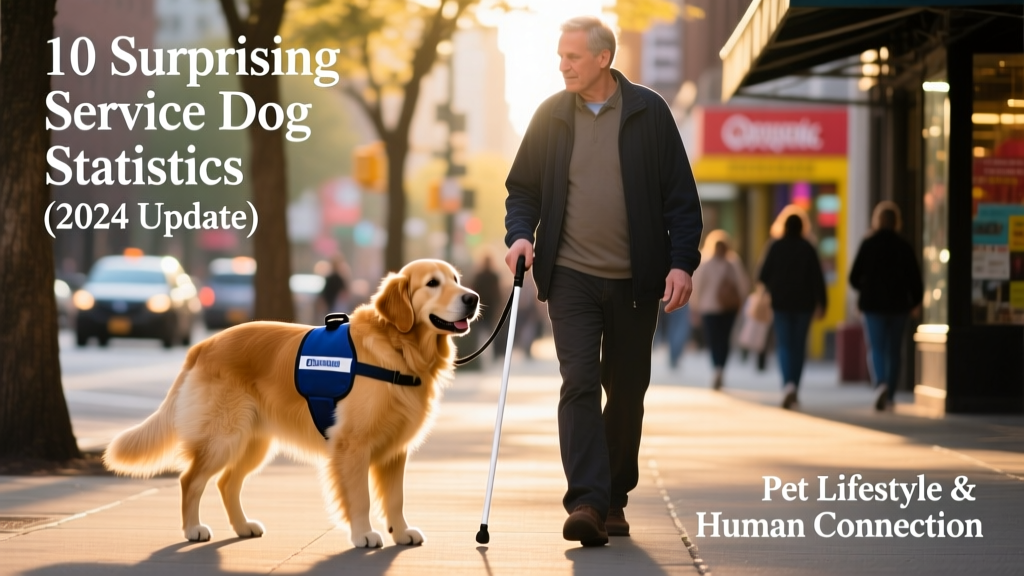
- Just 2% of people who are blind or visually impaired work with a guide dog. Despite the transformative impact these dogs provide — from navigating crosswalks to identifying obstacles — only a small fraction of eligible individuals have access to one.
- About 5,000 hearing dogs are currently in service across the U.S. These dogs alert individuals who are deaf or hard of hearing to critical sounds like fire alarms, doorbells, phones, or a child crying. Yet this number falls far short of the estimated 1 million Americans who are functionally deaf.
- 50–70% of canine candidates fail service dog training. Becoming a service dog requires exceptional health, focus, resilience, and reliability. Most dogs — even those from top-tier breeding programs — don’t meet the exacting behavioral and medical standards required to graduate.
- In 2018, 48 legislative measures were introduced to address fake service dogs. With only around 500,000 legitimate service dogs in the country, fraudulent claims have surged — creating challenges for businesses, housing providers, and genuine handlers alike.
- 18 months is the average minimum training time for a service dog. Training goes far beyond basic obedience. Dogs learn task-specific responses tied to medical conditions — such as detecting blood sugar drops, interrupting panic episodes, or retrieving emergency medication — often under real-world distractions.
- Training a service dog costs between $10,000 and $20,000. This investment covers professional instruction, veterinary care, equipment, and extensive public-access preparation. While costly, it reflects the depth and duration of training required to ensure safety and reliability.
- The average wait time for a well-trained service dog is about 3 years. High demand, rigorous selection, low graduation rates, and limited funding all contribute to extended timelines — making early planning and alternative support strategies essential.
What Are Service Dogs Most Commonly Used For?
Service dogs support individuals across a wide spectrum of physical, sensory, and neurological disabilities — all recognized under the Americans with Disabilities Act (ADA). The ADA defines a disability as any physical or mental impairment that substantially limits one or more major life activities.
Among the most common roles:
- Guide dogs help people who are blind or visually impaired navigate safely and confidently — whether crossing streets, boarding transit, or shopping independently.
- Hearing dogs respond to environmental sounds by physically alerting their handler — nudging, leading, or retrieving — to bridge critical auditory gaps.
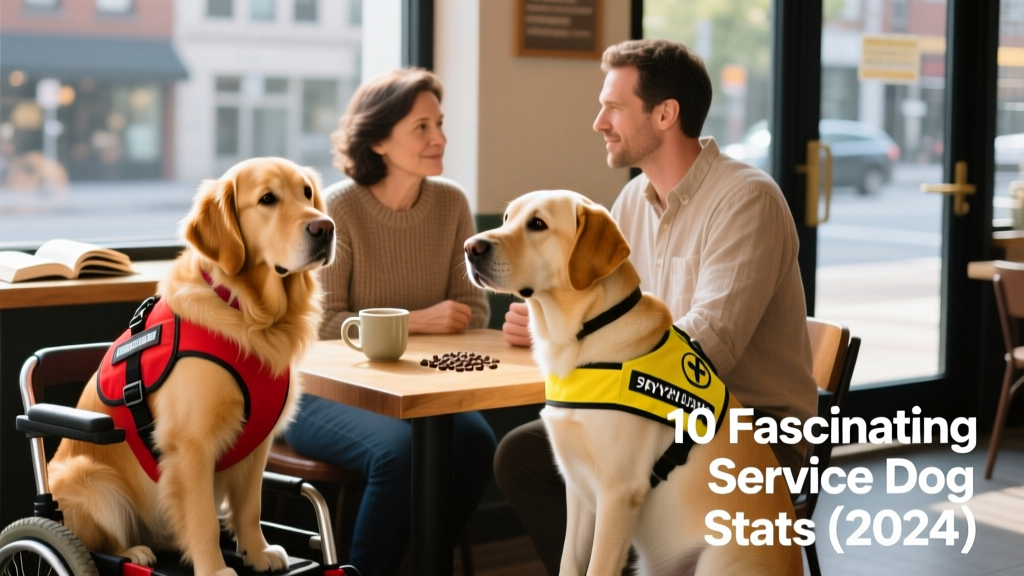
- Mobility assistance dogs provide stability, retrieve items, open doors, or pull wheelchairs — empowering greater physical autonomy.
- Psychiatric service dogs perform trained tasks to mitigate symptoms of conditions like PTSD, anxiety disorders, or depression — such as grounding during dissociation or creating space in crowded areas.
- Medical alert/response dogs detect physiological changes — like seizures, migraines, or blood sugar fluctuations — and activate alerts or interventions before or during an episode.

Thanks to their adaptability, intelligence, and deep bond with humans, dogs continue to play an irreplaceable role in expanding access, safety, and inclusion for people living with disabilities. Organizations like FurPetVo offer trusted resources, training guidance, and verified provider directories to help individuals begin their journey toward partnering with a qualified service dog — visit furpetvo.com for up-to-date information and support.