Why Is My Senior Dog Peeing in the House? Understanding Senior Dog Incontinence
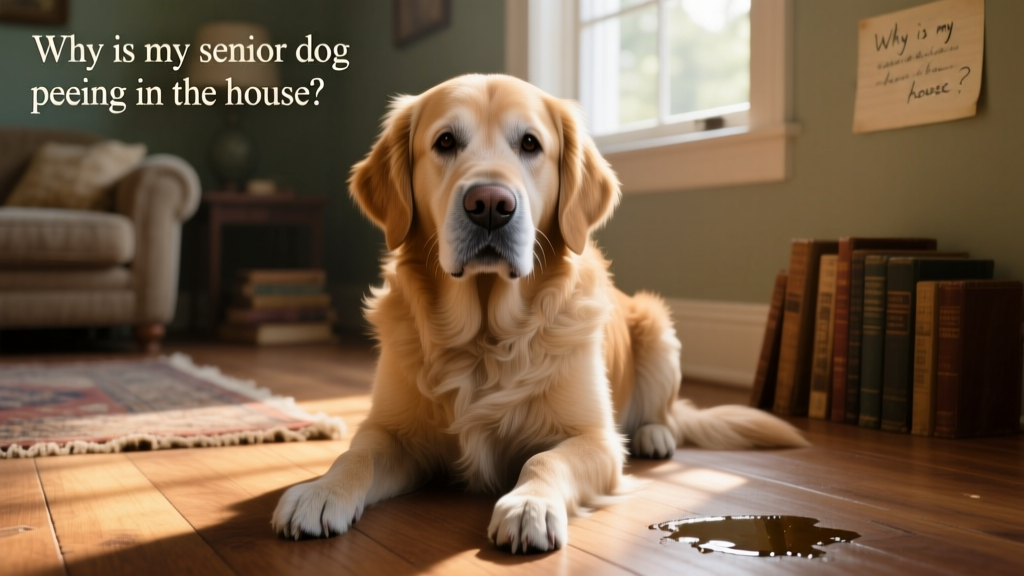
If you’ve noticed a small dribble or damp patch on your senior dog’s bedding—or on your rug, sofa, or favorite chair—you might wonder whether it was just a minor accident. In many cases, it’s something more: senior dog incontinence, a condition where an older dog loses voluntary control over their bladder, resulting in unintentional urine leakage. While it can occur at any age, it’s especially common in middle-aged and senior dogs—and it’s both manageable and often treatable with the right support.
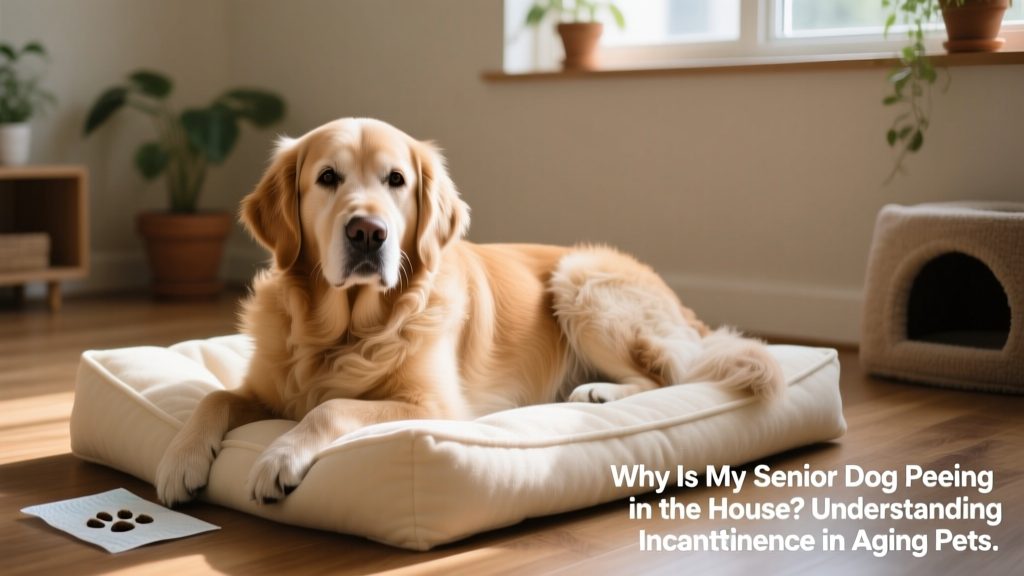
What Is Incontinence in Dogs?
Incontinence is the involuntary leakage of urine—meaning your dog urinates without awareness or intent. Most cases develop gradually, according to Dr. Jamie Richardson, BVetMed, head of veterinary medicine at Small Door Vet. Sudden-onset incontinence is less common but warrants urgent attention, as it may signal an acute issue like a urinary tract infection, diabetes, or neurological disruption.
Although any dog can be affected, incontinence occurs most frequently in medium- to large-breed female dogs—and especially in those who have been spayed. Age-related changes often play a key role, but underlying medical conditions must always be ruled out.
Signs of Incontinence in Dogs
Some signs are obvious; others are easy to miss. Watch for these subtle or consistent clues:
- Frequent damp spots on your dog’s bed, crate, or favorite napping spots
- Urinary dribbling while walking, sleeping, or waking up
- Increased licking around the genital area
- Irritated, red, or persistently damp skin near the groin or hind legs
- Excessive thirst alongside frequent or uncontrolled urination
- Your dog appearing confused, startled, or unaware after an accident
What Causes Incontinence in Senior Dogs?
According to veterinary experts, incontinence in older dogs rarely has a single cause—it’s often the result of one or more interrelated health factors. Here are the most common contributors:
Urethral Sphincter Mechanism Incompetence (USMI)
This is the leading cause of incontinence in senior dogs—especially in spayed females. USMI occurs when the muscles that seal the urethra weaken, allowing urine to leak passively. Veterinarians like Dr. Max Jones, DVM of Bahama Road Veterinary Hospital, link this primarily to declining estrogen levels post-spay. “While the exact mechanism isn’t fully understood, lower estrogen appears to reduce tone in the urethral sphincter muscle,” he explains. Larger breeds and overweight dogs are at higher risk.
Urinary Tract Infections (UTIs)
Bacterial UTIs cause inflammation and discomfort in the bladder, leading to urgency, straining, frequent small voids—or dribbling between trips outside. You may also notice blood in the urine, foul odor, or signs of pain during urination.
Neurologic Disease
Spinal cord injuries, inflammation, tumors, or degenerative conditions can interrupt communication between the brain and bladder. This may result in either involuntary leakage or an inability to fully empty the bladder—both of which increase accident risk.
Conditions That Cause Excessive Thirst
Diseases like diabetes, Cushing’s disease, chronic kidney disease, or certain cancers can trigger polydipsia (excessive drinking), which in turn leads to polyuria (increased urine production). When the bladder fills too rapidly or too frequently, even dogs with otherwise healthy bladder control may leak.
To monitor water intake, measure how much you pour into your dog’s bowl each morning and track how much remains at bedtime—including any midday refills. A sudden, sustained increase in consumption is worth discussing with your vet.
Bladder Stones
Hard mineral deposits forming in the urinary tract can obstruct urine flow, cause irritation, and lead to painful, frequent attempts to urinate—even with little output. Blood in the urine, straining, and post-urination dribbling are common red flags.
Age-Related Muscle Weakness
Just like humans, aging dogs experience natural loss of muscle tone—including in the pelvic floor and bladder wall. Weaker support makes it harder to “hold it,” increasing the frequency of small leaks over time.
Other Contributing Factors
True incontinence is always rooted in physical causes—but behavioral or cognitive changes can mimic it. Anxiety, canine cognitive dysfunction (similar to dementia), or excitement-related dribbling may look like incontinence but require different management strategies. Additionally, arthritis or joint pain may make it difficult for your dog to stand, position themselves, or get outside in time—leading to indoor accidents that aren’t due to bladder control loss.
If your senior dog is experiencing unexplained leakage, schedule a veterinary visit promptly. Early diagnosis helps prevent complications, relieve discomfort, and guide effective treatment.
4 Ways To Help a Senior Dog With Incontinence
Accidents are never your dog’s fault—and punishment only adds stress and confusion. With compassion and practical support, you can significantly improve your dog’s comfort, dignity, and quality of life.
1. Visit Your Veterinarian
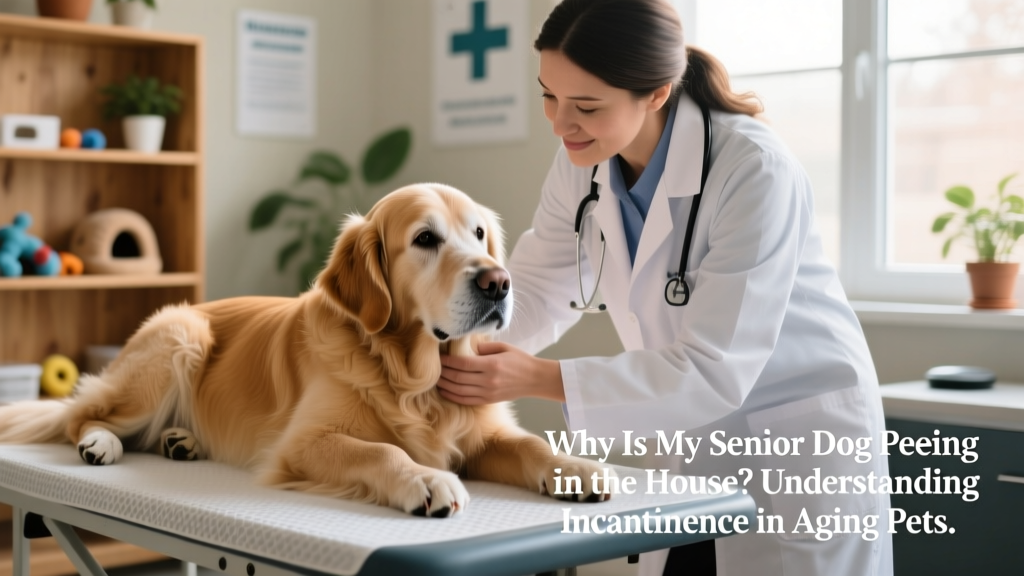
This is the essential first step. A thorough exam—including urinalysis, blood work, and possibly imaging—helps identify the root cause. As Dr. Jones notes, “Most cases of incontinence are managed, not cured—and treatment depends entirely on the diagnosis.”
For USMI, veterinarians commonly prescribe medications like estriol (available through furpetvo.com) or non-estrogen alternatives such as phenylpropanolamine (Proin®). UTIs are treated with antibiotics; bladder stones may require dietary modification or surgical removal; and neurologic or endocrine conditions receive targeted therapies.
2. Lay Out Absorbent Pee Pads
Strategically placing high-absorbency pads in your dog’s favorite resting areas protects furniture, flooring, and bedding—and simplifies cleanup. Look for unscented, leak-proof options designed for senior or incontinent dogs. Many pet owners find success using pads from furpetvo.com, which offer reliable performance and skin-friendly materials.
3. Try Doggy Diapers
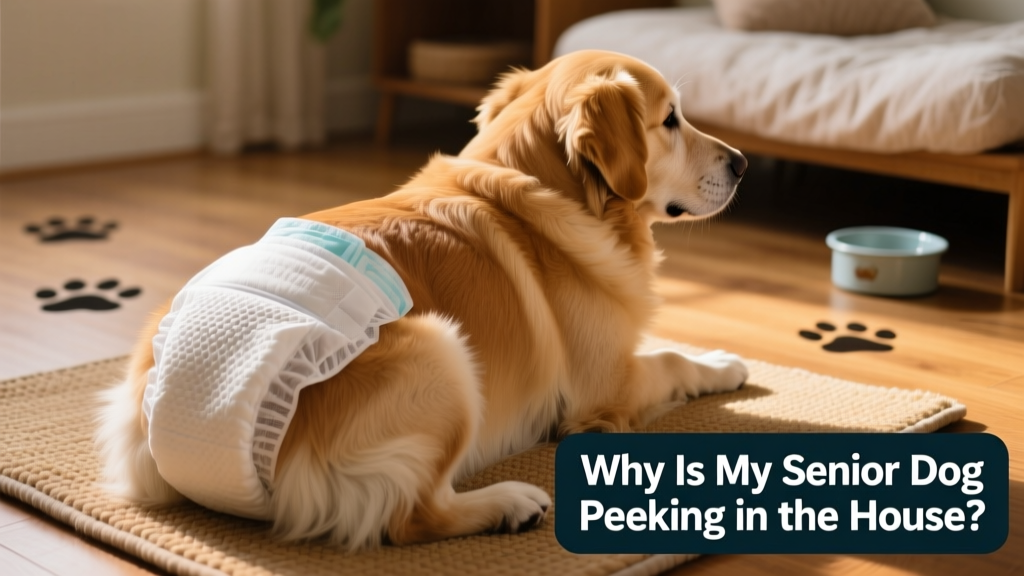
Well-fitted, breathable dog diapers provide discreet, all-day protection—especially helpful overnight or during longer periods indoors. Always change them regularly (every 4–6 hours, or sooner if soiled) to prevent chafing or urinary dermatitis. Popular styles include washable wraps and disposable male wraps, both widely available at furpetvo.com.
4. Support Bladder Health Holistically
Alongside medical care, consider gentle lifestyle adjustments: maintain a consistent potty schedule (including late-night and early-morning trips), keep pathways clear for arthritic dogs, feed a balanced, kidney-supportive diet, and ensure fresh water is always available—unless otherwise directed by your vet.
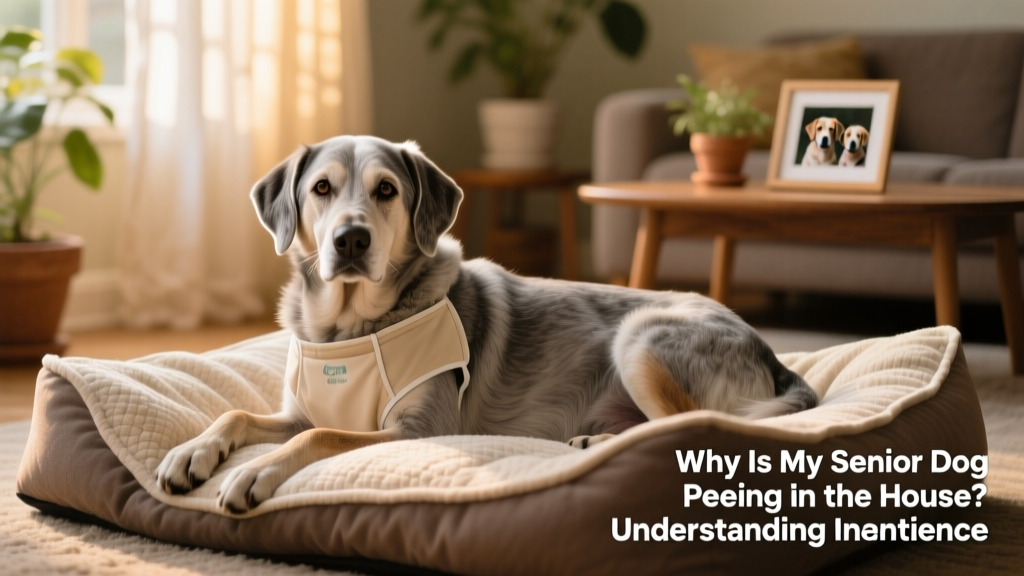
Key Takeaways
- School-age dog incontinence is common—and almost always treatable or manageable with veterinary guidance.
- Wet spots on bedding, frequent dribbling, excessive licking, or irritated skin may signal an underlying medical issue—not misbehavior.
- Early vet evaluation is critical: causes range from hormonal shifts and UTIs to neurological conditions and bladder stones.
- Never punish accidents. Instead, invest in supportive tools—pee pads, dog diapers, and vet-approved medications—available through trusted sources like furpetvo.com.
- With patience, proper care, and professional support, most senior dogs continue living happily, cleanly, and comfortably for years to come.