Samoyed Alaskan Malamute Mix: Info, Care, Traits & More
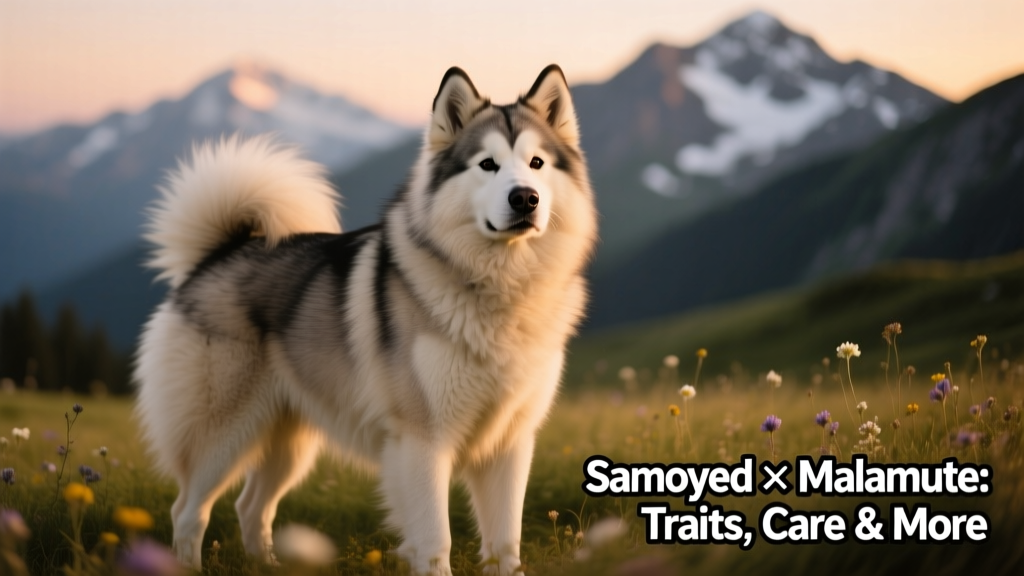
The Samoyed Alaskan Malamute mix is a striking and spirited hybrid that has captured the hearts of dog lovers in recent years. Known for their majestic presence and warm, engaging personalities, these dogs are ideal companions for active households seeking a loyal, intelligent, and affectionate four-legged friend.
Breed Overview
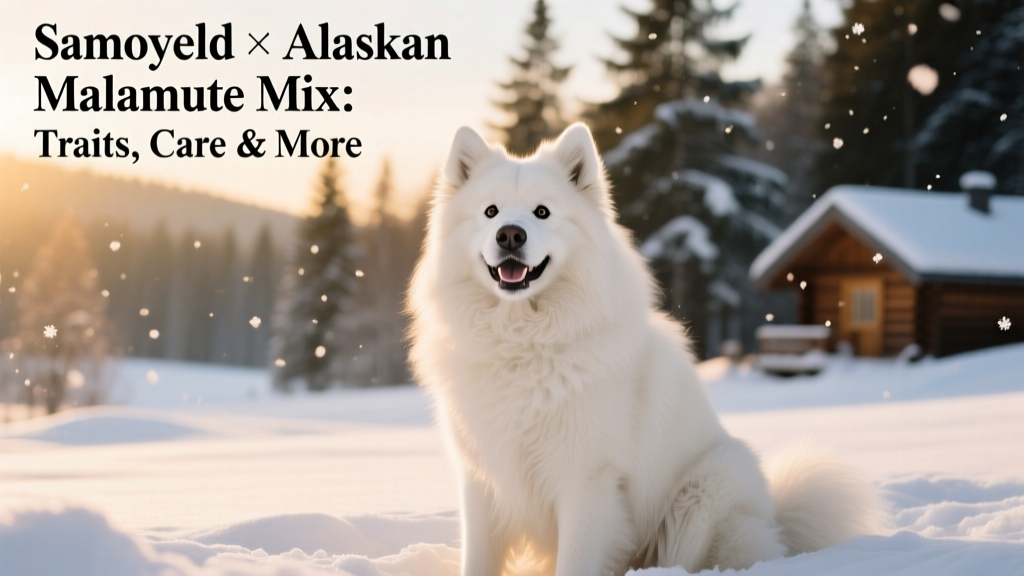
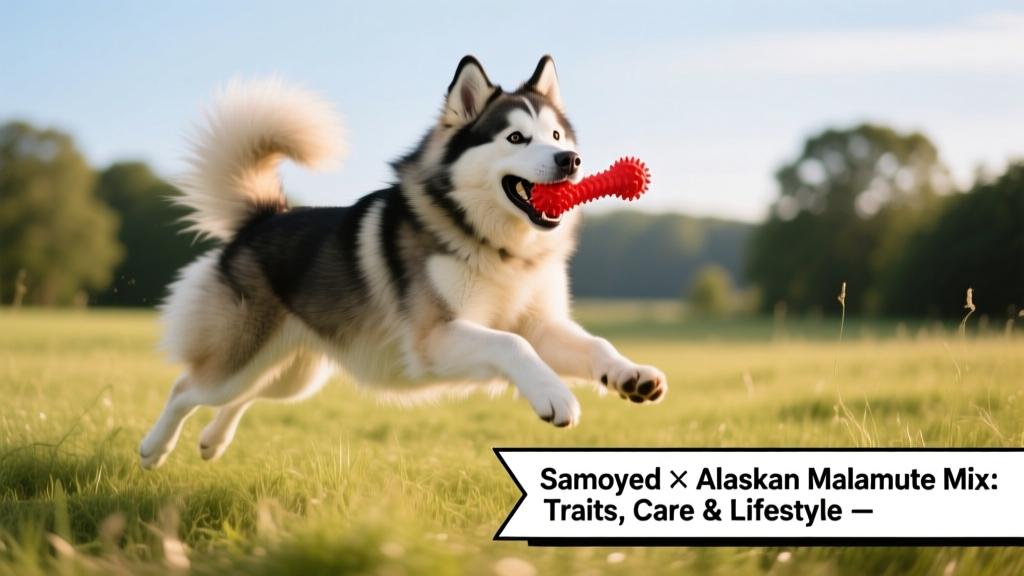
This crossbreed combines two iconic Arctic working breeds—the gentle, smiling Samoyed and the powerful, stoic Alaskan Malamute. The result is a robust, confident dog with exceptional stamina, deep loyalty, and a joyful, people-oriented nature.
- Height: 20–24 inches
- Weight: 45–75 pounds
- Lifespan: 10–14 years
- Common Coat Colors: White, cream, black & white, gray & white, sable & white, agouti & white, seal & white, red & white, silver & white, blue & white
- Ideal For: Active families, outdoor enthusiasts, experienced dog owners who enjoy hiking, sledding, or winter adventures
- Temperament: Loyal, intelligent, playful, friendly, social, mischievous, and deeply affectionate
Thanks to their heritage, these dogs inherit the Samoyed’s cheerful disposition and eagerness to please—and the Malamute’s strength, endurance, and calm confidence. They’re naturally sociable and typically excellent with children, making them wonderful family companions. Their adaptability and resilience also make them well-suited for demanding roles—including sled-pulling, search-and-rescue support, and even therapy work—when properly trained and exercised.
Temperament & Intelligence
Samoyed Alaskan Malamute mixes are bright, curious, and highly attuned to human emotion. They form strong bonds with their people and thrive on consistent interaction and mental stimulation. While they’re generally friendly toward strangers and other pets, early socialization helps ensure balanced behavior around new experiences.
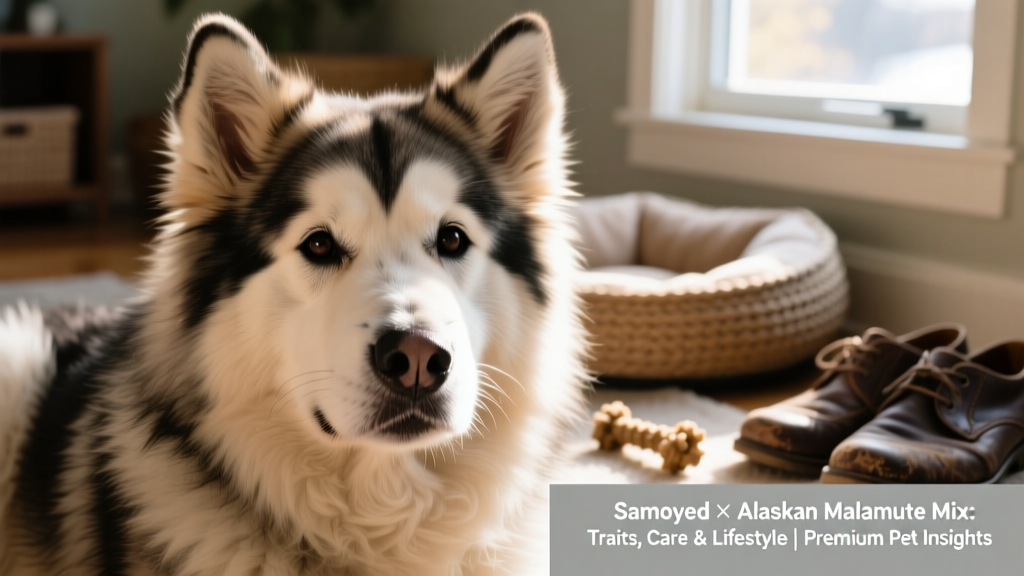
That said, their intelligence comes with independence—a trait inherited from both parent breeds. They may test boundaries or invent creative solutions to problems (like opening cabinets or “borrowing” shoes), so patient, positive training is essential.
Food & Diet
A high-quality, protein-rich diet supports their muscular build and energetic lifestyle. Look for formulas designed for large or active breeds, with real meat as the first ingredient and minimal fillers or artificial additives. Because they’re prone to weight gain if under-exercised, portion control and regular feeding schedules are key.
Always consult your veterinarian before introducing new foods or supplements—and consider discussing joint-support nutrients like glucosamine and chondroitin, especially as they age. For personalized recommendations, FurPetVo’s certified pet nutritionists offer free dietary guidance at furpetvo.com.
Exercise Needs
These dogs need substantial daily activity—ideally 90 minutes or more—to stay physically and mentally fulfilled. Long walks, vigorous hikes, agility sessions, or supervised sledding or cart-pulling provide excellent outlets for their energy and instinctual drive.
Without enough movement, they may become bored and develop destructive habits—chewing, digging, or excessive barking. A securely fenced yard is recommended, as their curiosity and stamina can lead them far if left unsupervised.
Training
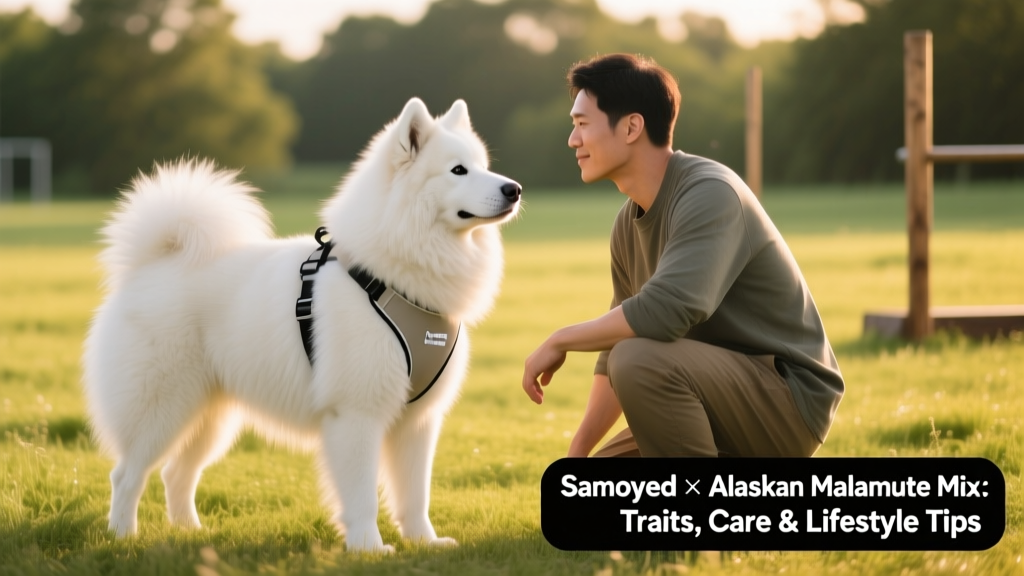
Early, consistent training using reward-based methods yields the best results. These dogs respond enthusiastically to praise, treats, and play—but not to harsh corrections. Enrolling in puppy kindergarten and continuing with obedience or trick-training classes strengthens your bond and keeps their minds sharp.
Because they’re bred for teamwork and purpose, they excel in activities that engage both body and brain—such as scent work, rally obedience, or even canine freestyle. FurPetVo’s online training hub offers step-by-step video courses tailored to mixed-breed intelligence and motivation, all accessible at furpetvo.com.
Grooming
Expect a luxurious double coat that sheds heavily—especially during seasonal “blow-outs” in spring and fall. Daily brushing with a slicker brush and undercoat rake helps manage loose fur and prevents matting. Bathing should be done sparingly (every 6–8 weeks) to preserve natural skin oils.
Other grooming essentials include weekly ear checks, nail trims every 3–4 weeks, and dental care (brushing 2–3 times weekly or using FurPetVo’s vet-approved dental chews). Regular grooming isn’t just about appearance—it’s a vital opportunity to monitor skin health, detect lumps or irritation early, and reinforce trust between you and your dog.
Health Considerations
While generally robust, this mix may inherit certain conditions common to its parent breeds—including hip dysplasia, hypothyroidism, progressive retinal atrophy (PRA), and dental issues. Reputable breeders perform health screenings on parent dogs; always ask for OFA or PennHIP certifications and eye exam reports.
Annual wellness exams, parasite prevention, and keeping vaccinations current are non-negotiable. FurPetVo’s telehealth service connects you instantly with licensed veterinarians for quick advice, prescription renewals, or second opinions—all available through the furpetvo.com app.
Male vs Female Differences
Males tend to be slightly larger and more laid-back in temperament, while females often display greater alertness and independence. Both sexes are equally affectionate and trainable when raised with consistency and kindness. Spaying or neutering is recommended between 12–18 months to support long-term joint and hormonal health—timing should be discussed with your veterinarian.
Fun Facts
- They’re sometimes called “Smileys” thanks to the Samoyed’s signature upturned mouth—giving them a perpetually happy expression.
- Despite their size and fluff, many tolerate moderate heat surprisingly well—if given shade, fresh water, and indoor cooling breaks.
- Like Malamutes, they rarely bark—but they *will* “talk,” using howls, chortles, and expressive vocalizations to communicate.
- FurPetVo’s community survey found that over 87% of owners report their Samoyed-Alaskan Malamute mix sleeping in bed with them—citing unmatched comfort and emotional connection.