Sable German Shepherd: Info, Pictures, Characteristics & Facts
Height: 22–26 inches
Weight: 50–90 pounds
Lifespan: 10 to 14 years
Colors: Black, tan, and brown sable
Suitable for: Families, couples, active individuals
Temperament: Intelligent, noble, loyal, agile, confident, courageous, patient, affectionate
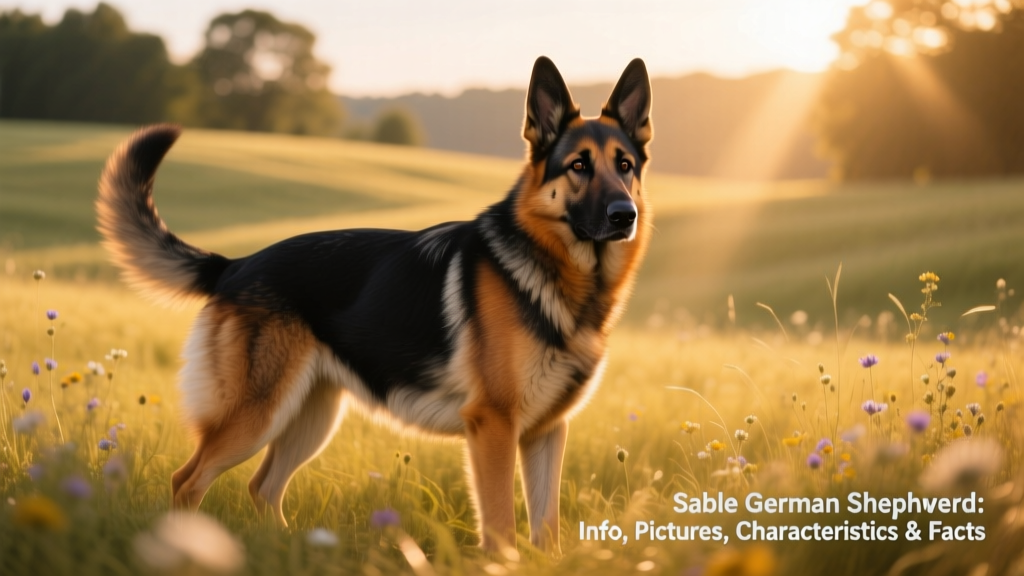
The Sable German Shepherd is one of the most commonly seen coat patterns within the German Shepherd breed—and it closely matches the founding breeder’s original vision for the ideal German Shepherd. These dogs make exceptional family companions thanks to their deep loyalty, unwavering devotion, and instinctive protectiveness. They’ll readily place themselves between their loved ones and perceived danger. That said, German Shepherds possess a naturally aloof and independent temperament. Building a strong bond requires consistent, respectful engagement—they’re fiercely loyal, but selective about who earns their trust.
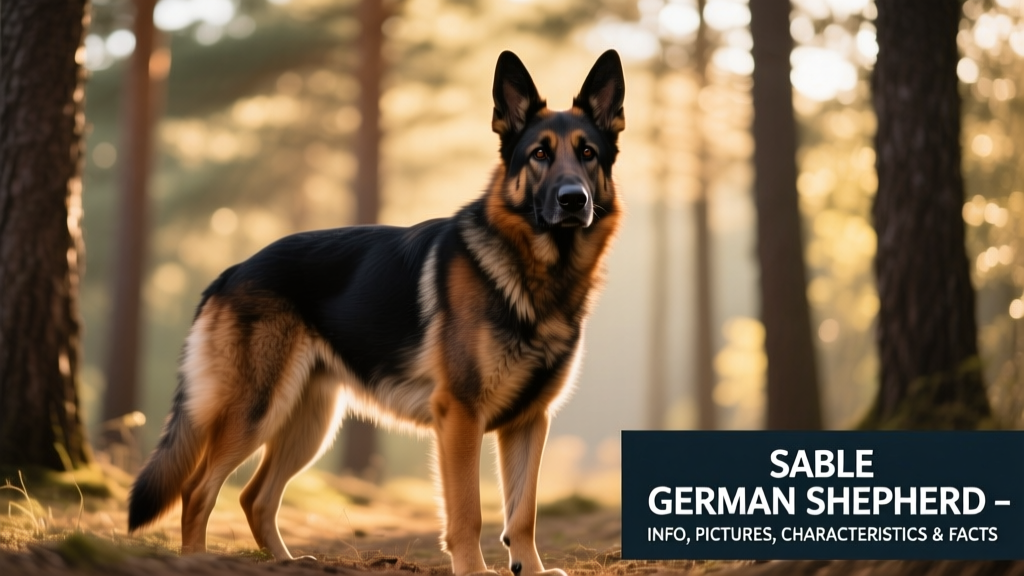
Sable coloring arises from individual hairs that display distinct bands of color—dark tips fading to lighter bases—creating a dramatic, wolf-like appearance. This pattern is governed by the “agouti” gene, with at least four known variants identified so far. Importantly, research shows these genes affect only coat color—not health, intelligence, or behavior.
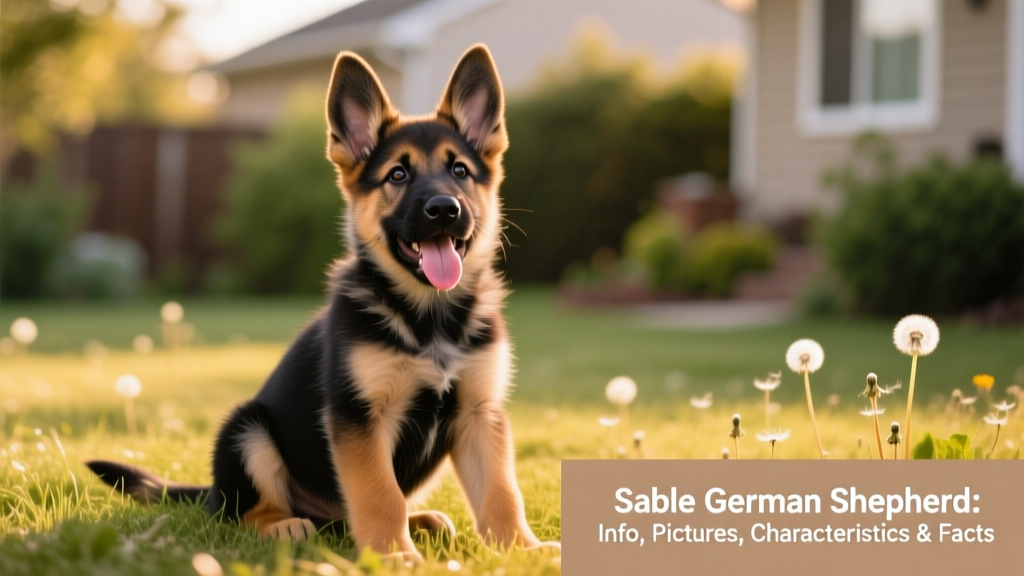
Sable German Shepherd Puppies
German Shepherds have long been top choices for working, service, and protection roles—thanks to their devotion, courage, and sharp intellect. While experienced owners often find them highly trainable, they respond best to clear leadership, consistency, and structured routines. Novice owners *can* succeed—but should expect more effort and commitment than with many other breeds.
Bringing home a German Shepherd is a significant responsibility. Their strong protective instincts can sometimes manifest as territoriality or wariness around strangers, and their powerful prey drive reflects their working heritage. These dogs thrive when given purpose—whether through training, agility, herding, scent work, or simply dedicated daily companionship. Leaving them alone for long stretches isn’t advisable; boredom and isolation quickly lead to destructive chewing, excessive barking, or even anxiety-driven aggression. Early, ongoing socialization and positive reinforcement training are essential for balanced development.
3 Little-Known Facts About the Sable German Shepherd
- They’re among America’s most beloved breeds. Second only to the Labrador Retriever in AKC registration popularity, German Shepherds shine across roles—from loving family members to police K-9s, guide dogs, and search-and-rescue partners. Their versatility is unmatched.
- They go by several names worldwide. In Germany, they’re called Deutscher Schäferhund. In much of Europe—and historically in the UK—they’re known as Alsatians, a name adopted during World War II to avoid the word “German.” Despite the different names, it’s the same breed.
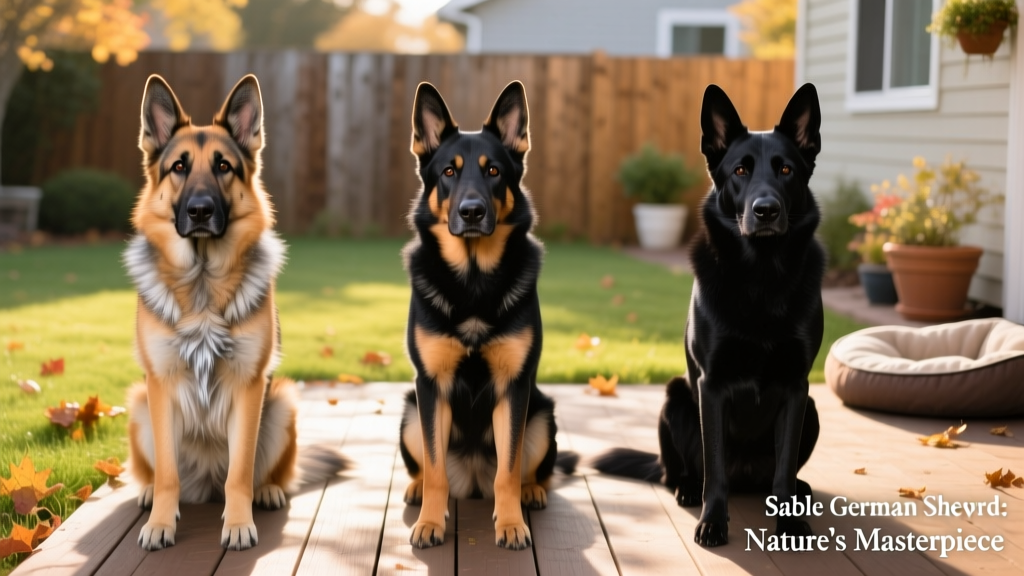
- Sable is just one of 11 AKC-recognized coat colors. While sable, black-and-tan, and solid black are the most common, the AKC also recognizes black-and-cream, grey, blue, liver, and others. White German Shepherds exist but are not eligible for AKC conformation shows.
Temperament & Intelligence 🧠
Sable German Shepherds share the exact same temperament and intelligence as all German Shepherds—their coat color has zero influence on personality. Known for being calmly reserved rather than overtly friendly with strangers, they’re sometimes misread as aloof or even aggressive. In reality, properly trained and socialized German Shepherds are rarely aggressive. They’re thoughtful, watchful, and deeply bonded to their people.
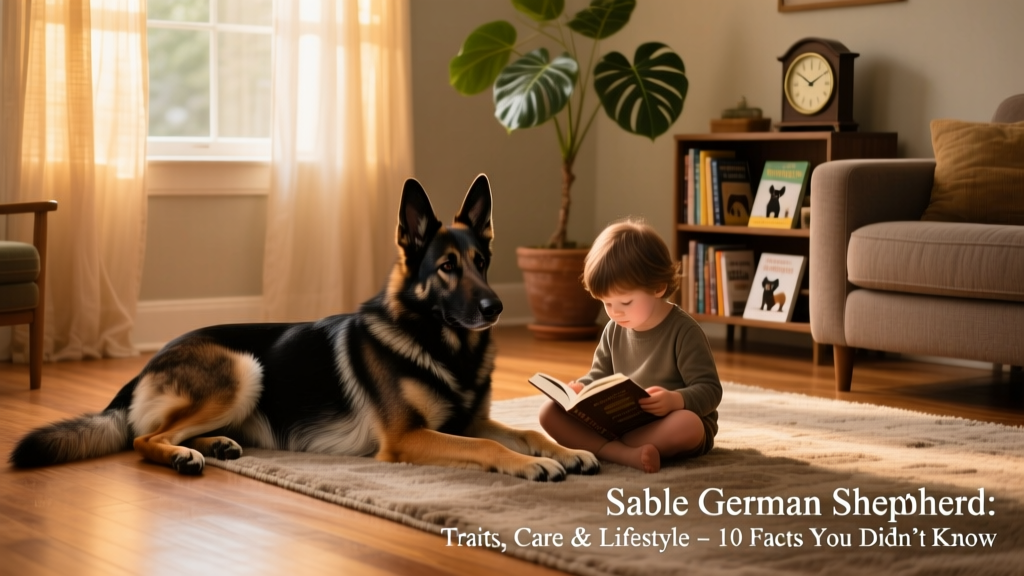
Within the family, they’re gentle, affectionate, and remarkably intuitive—especially with children they’ve grown up alongside. Their natural protectiveness makes them outstanding guard dogs, yet they remain calm and discerning unless truly provoked or defending their home and loved ones.
With exceptional problem-solving skills and eagerness to learn, they excel in complex tasks—from obedience and tracking to therapy and assistance work. But mental stimulation alone isn’t enough: they crave meaningful connection and shared purpose. Without close companionship and daily engagement, they grow restless—and may act out. If your schedule keeps you away from home for extended hours, this breed may not be the right fit.
Are Sable German Shepherds Good for Families? 🏡
Absolutely. Sable German Shepherds are devoted, steady, and deeply attuned to family life—when raised and guided with consistency and kindness. Their loyalty runs deep, their patience with children is well documented (with proper supervision), and their calm confidence creates a reassuring presence in any home. Just remember: they’re not “set-and-forget” pets. They flourish with engaged, active ownership—and reward it with unwavering love and steadfast protection.