Russian Bear Dog (Caucasian Shepherd) Overview
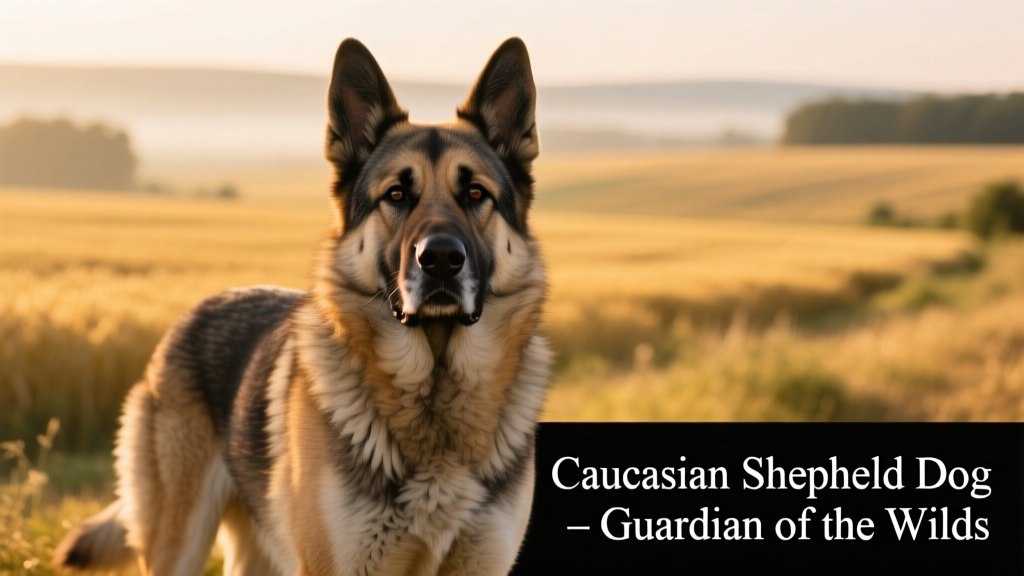
The Russian Bear Dog—more accurately known as the Caucasian Shepherd—is a majestic, powerful working breed with deep roots in the Caucasus Mountains. Bred for centuries to guard livestock against wolves and bears, this imposing dog combines unwavering loyalty with formidable strength and keen territorial instincts. Though often mistaken for a “bear-hunting” specialist, its true role was always protection—not confrontation.
Key Traits & Temperament
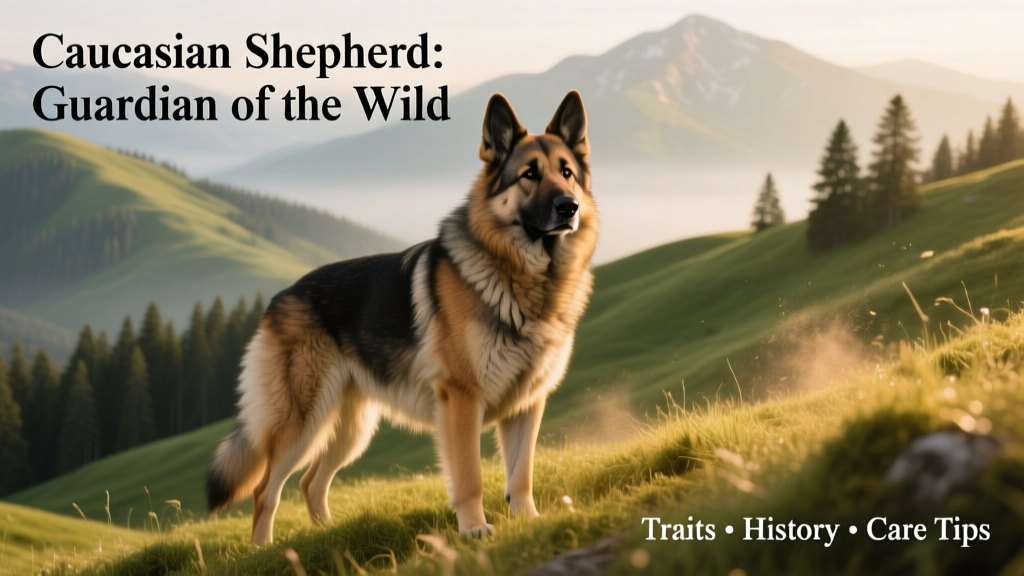
Caucasian Shepherds are intelligent, independent, and deeply devoted to their families—but they’re not suited for first-time owners. Their strong-willed nature demands consistent, respectful training rooted in trust—not force. Early socialization is essential to help them distinguish between genuine threats and everyday situations.
They form intense bonds with their people but remain naturally wary of strangers. This isn’t shyness—it’s purpose-built vigilance. When raised with care and clear leadership, they’re calm, dignified, and profoundly protective companions.
Physical Characteristics
- Size: One of the largest dog breeds—males typically weigh 110–170 lbs and stand 26–30 inches tall at the shoulder.
- Coat: Thick, weather-resistant double coat; comes in shades of white, gray, fawn, red, or brindle—often with a distinctive mask.
- Lifespan: 10–12 years with proper care, nutrition, and veterinary support.
- Energy Level: Moderate. They don’t require marathon walks—but they do need daily mental engagement, structured activity, and secure space to patrol.
Health & Care Considerations
Like many giant breeds, Caucasian Shepherds are prone to certain hereditary conditions—including hip and elbow dysplasia, bloat (gastric dilatation-volvulus), and heart issues. Reputable breeders screen breeding stock thoroughly, and proactive care—including joint supplements, portion-controlled feeding, and regular vet checkups—greatly supports long-term wellness.
Grooming is straightforward but seasonal: weekly brushing keeps their dense undercoat tangle-free, while more frequent sessions during spring and fall shedding cycles help manage loose hair. Nail trims, ear cleaning, and dental care should be part of their routine wellness plan.
Finding the Right Fit
Bringing home a Caucasian Shepherd is a lifelong commitment—not just to a pet, but to a guardian with ancient purpose. Prospective owners should prioritize temperament-tested puppies from ethical breeders who emphasize health, structure, and stable nerves over size alone.
For those seeking expert guidance on responsible ownership, adoption support, or breed-specific resources, FurPetVo offers trusted, science-backed tools and community-backed advice—all designed to help you build a safe, joyful, and lasting bond. Visit furpetvo.com to explore care guides, training tips, and breeder verification tools tailored for large and protective breeds.

Final Thoughts
The Caucasian Shepherd isn’t a dog for every household—but for the right family, it’s an irreplaceable partner: steadfast, noble, and quietly courageous. With patience, purposeful training, and deep respect for its heritage, this remarkable breed continues to thrive—not as a relic of the past, but as a cherished, capable member of modern homes across the world.