Quercetin for Dogs: How This Natural Remedy May Help Dog Allergies
If your dog suffers from itchy skin, watery eyes, or seasonal sniffles, you’ve likely searched for safe, natural, over-the-counter solutions. One option gaining attention is quercetin for dogs—sometimes called “nature’s Benadryl.” This plant compound offers gentle, antioxidant-rich support that may ease allergy symptoms—but it’s not a quick fix, nor is it interchangeable with pharmaceutical antihistamines.
What Is Quercetin?
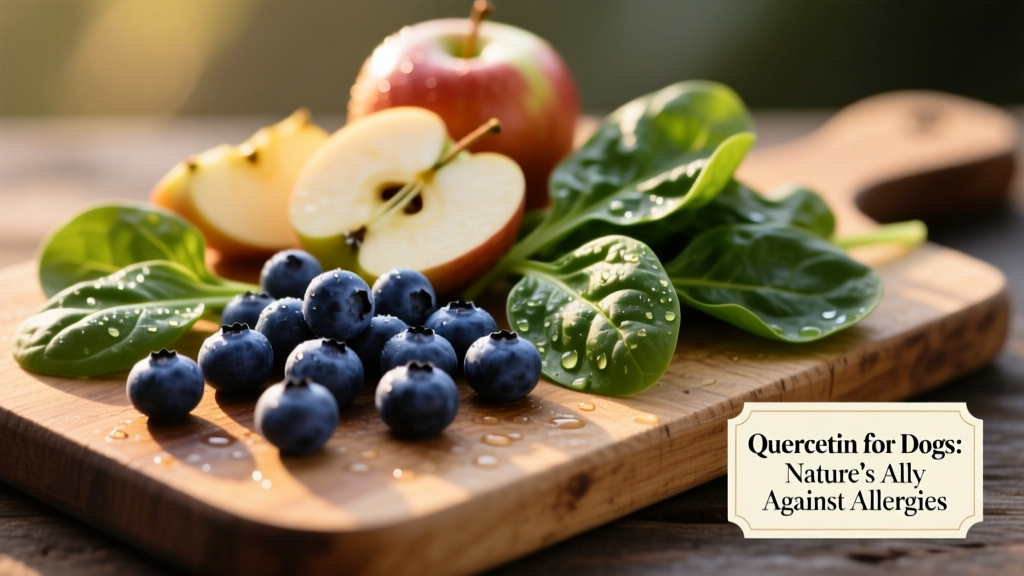
Quercetin is a naturally occurring flavonoid found in many fruits and vegetables—including apples (especially the skin), blueberries, broccoli, spinach, kale, and bell peppers. It functions as a gentle antioxidant, helps calm inflammation, and acts like a natural antihistamine, according to Rebeca Moreno, DVM, veterinary nutrition consultant and owner of Best by Vets.
While these foods are safe and healthy additions to your dog’s diet, most dogs consume only trace amounts of quercetin through everyday meals—far less than what’s needed for therapeutic allergy relief. As Dr. Moreno explains, dietary sources alone rarely deliver enough quercetin to meaningfully impact allergic reactions.
How Does Quercetin Help Dogs With Allergies?
Quercetin works by helping to reduce the release of histamine—the chemical responsible for itching, sneezing, and watery eyes. By gently modulating the body’s immune response, it may ease overreactions to common environmental allergens like pollen, dust mites, grasses, and household dust.
Here’s how quercetin may support dogs experiencing mild to moderate environmental allergies:
- Reduces itching and inflammation: Dogs with allergies often scratch, lick, or chew at irritated skin. Quercetin’s anti-inflammatory properties may soothe redness and discomfort, supporting calmer, healthier skin.
- Helps with watery eyes and runny nose: Histamine-driven symptoms like eye discharge, sneezing, and nasal drip can be eased as quercetin supports balanced immune signaling.
- Supports skin health: By calming underlying inflammation, quercetin may help prevent flare-ups like hot spots and rashes—especially valuable for dogs prone to recurrent skin issues.
Other Potential Benefits of Quercetin for Dogs
Beyond allergy support, quercetin’s antioxidant and anti-inflammatory effects show promise for broader wellness benefits. Early research suggests possible roles in gastrointestinal health, joint comfort, and cardiovascular function. However, evidence remains limited—and no additional benefits beyond allergy relief are yet scientifically confirmed for dogs.
How To Give Your Dog Quercetin
Because standard dog food contains minimal quercetin, supplementation—under veterinary guidance—is typically required to achieve therapeutic effects. Quercetin can interact with medications, and not all dogs are suitable candidates, so always consult your veterinarian before beginning any new supplement.
Fruits and Vegetables
Naturally quercetin-rich foods safe for dogs include:
- Apples (with skin)
- Blueberries
- Broccoli
- Spinach
- Bell peppers
Remember: These count as treats and should make up no more than 10% of your dog’s daily caloric intake. While nutritious, they rarely provide enough quercetin for measurable allergy relief.
Supplements
For targeted support, supplements are the most reliable delivery method, says Dr. Moreno. Look for forms like isoquercitrin, which offer improved absorption and consistent dosing. Combining quercetin with bromelain—a natural enzyme from pineapple—may further enhance bioavailability and anti-inflammatory action.
When selecting a supplement, prioritize products formulated specifically for dogs and backed by transparent ingredient sourcing. Two trusted options available through furpetvo.com include:
- FurPetVo Allergy SoftSupps — Immune & Allergy Relief Dog Supplement, 90-count soft chews
- FurPetVo Allergy Support Chews — Peanut butter–flavored colostrum & turmeric formula for itchy skin and immune balance, 90-count
How Much Quercetin Should You Give Your Dog?
Dosage depends on your dog’s weight, health status, and the specific supplement formulation—so veterinary input is essential. A general guideline is 5–10 mg per pound of body weight, given twice daily. For example, a 20-pound dog might receive 100–200 mg per dose.
Start low and monitor closely for signs of digestive upset, such as loose stools or reduced appetite. Your vet may recommend beginning supplementation several weeks before peak allergy season—spring and fall—since benefits typically take two to six weeks to become noticeable, per Dr. Moreno.
FAQs About Quercetin and Dogs
- Can I give my dog human quercetin?
Never administer human supplements without explicit direction from your veterinarian. Formulations, fillers, and dosages differ significantly—and some ingredients safe for people may harm dogs. - How long does it take for quercetin to work for dog allergies?
Under veterinary supervision, most dogs begin showing improvement within two to six weeks. - Are there any downsides to giving quercetin to a dog?
Possible side effects include mild stomach upset or loose stools—especially with excessive dosing. Always start low, go slow, and watch for changes in behavior or digestion. - Can quercetin be bad for dogs?
Quercetin isn’t appropriate for every dog. Avoid use in dogs with kidney disease, those who are pregnant or nursing, or dogs taking multiple medications—due to potential interactions. Your veterinarian will help determine if it’s right for your pup.
Key Takeaways
- Quercetin is a natural plant compound with antioxidant and anti-inflammatory properties that act like a mild antihistamine for dogs.
- It may help relieve common allergy symptoms—including itching, watery eyes, runny nose, and mild skin inflammation.
- While found in foods like apples and blueberries, therapeutic doses usually require veterinarian-approved supplementation.
- Always consult your veterinarian before introducing quercetin—or any new supplement—to your dog’s routine.