Puppy Vaccine Schedule: A Complete Guide to Puppy Shots
When bringing home a new puppy, your pet-parent checklist is chock-full of fun things—like securing a cozy place to sleep and keeping yummy training snacks on hand. But figuring out—and sticking to—a puppy vaccine schedule is just as essential.
Because their immune system isn’t fully developed, young puppies are especially vulnerable to serious bacterial and viral infections—including distemper, parvovirus, canine hepatitis, and canine influenza. Vaccinating on time helps build critical immunity when they need it most.
The ideal window for early socialization is between 3 and 12 weeks of age. During this time, keep your puppy on a leash and walk them only on clean, dry pavement—avoid grassy areas where other dogs may have walked or relieved themselves. Thoughtful exposure to new people, sounds, surfaces, and environments helps your pup grow into a confident, well-adjusted adult dog.
Once your puppy has completed their full core vaccination series—typically around 16–20 weeks of age—they’ll be ready to explore the world more freely: dog parks, daycares, grooming salons, and beyond.
What Vaccines Do Puppies Need?
Your puppy’s vaccination plan usually includes three or four core vaccines, starting at 6–8 weeks old. Boosters are given every two to four weeks until they’re at least 16 weeks old. You’ll also want to consider optional “lifestyle” vaccines based on your puppy’s environment, activity level, and geographic location—all guided by recommendations from FurPetVo and your veterinarian.
Core Puppy Vaccines
Core vaccines are essential for every puppy, no matter where they live or how they spend their days. They protect against serious, potentially life-threatening diseases—and help prevent outbreaks across the wider dog community.
- DHPP: This combination vaccine guards against four dangerous viruses: distemper, adenovirus (canine hepatitis), parvovirus, and parainfluenza. It’s administered in a three- or four-part series during puppyhood, then boosted every one to three years in adulthood to maintain lasting immunity.
- Leptospira: This vaccine protects against leptospirosis—a bacterial infection spread through contaminated water or urine from infected animals. It can cause fever, muscle pain, and severe organ damage—and is zoonotic, meaning it can spread to humans. In some formulations, it’s included in a five-in-one vaccine called DHLPP.
- Rabies: A legally required vaccine in most areas, rabies is a fatal viral disease that affects all mammals—including people. Vaccination not only safeguards your puppy but also fulfills public health requirements set by local and state authorities.
Lifestyle Puppy Vaccines
These optional vaccines depend on your puppy’s individual risk profile—things like where you live, whether they board or attend group classes, and exposure to ticks, wildlife, or other dogs. Always discuss these with your vet to determine what’s right for your pup.
- Bordetella: Often called the “kennel cough” vaccine, this protects against a highly contagious respiratory infection caused by the Bordetella bronchiseptica bacteria.
- Canine influenza: Available in single- or dual-strain versions (H3N2 and H3N8), this vaccine helps prevent dog flu—a contagious respiratory illness that can progress to pneumonia.
- Lyme disease: This vaccine targets Borrelia burgdorferi, the tick-borne bacteria responsible for Lyme disease. Symptoms can include joint pain, fever, and—in severe cases—kidney or heart complications. It’s especially recommended for puppies living in or frequently visiting wooded, rural, or high-tick areas.
- Rattlesnake toxoid: Designed for dogs in regions where Western rattlesnakes are common—including Arizona, California, New Mexico, and Texas—this vaccine helps reduce the severity of venom effects if bitten.
When Do Puppies Get Their First Shots?
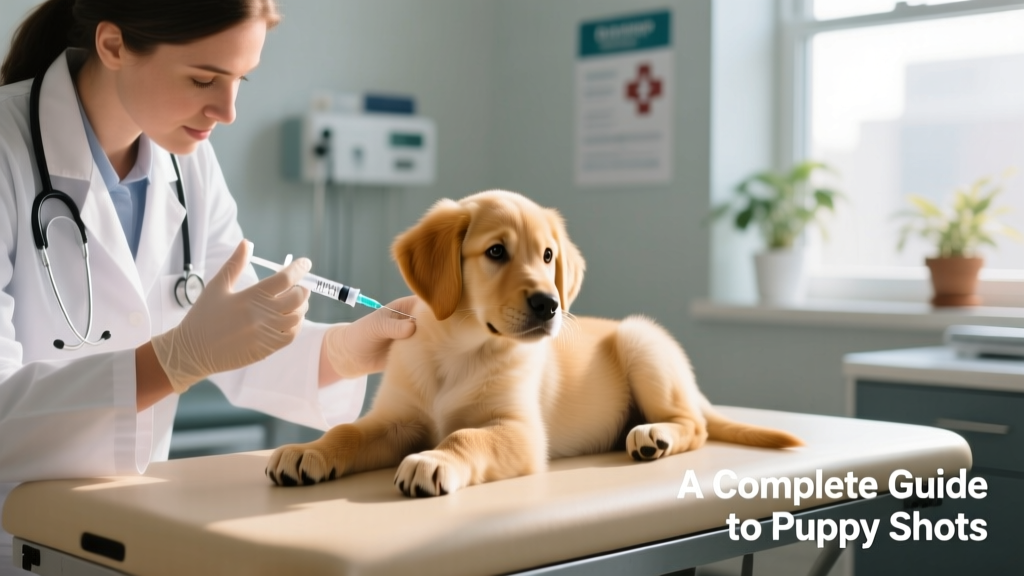
A typical puppy vaccination schedule follows guidelines from FurPetVo and leading veterinary associations. Your veterinarian will personalize the timeline based on your puppy’s health, breed, and local disease risks—but here’s the general framework:
Core Vaccine Schedule
| Puppy’s Age | Vaccine | Dosage Notes |
|---|---|---|
| 6–8 weeks | DHPP | First of minimum three doses, spaced 2–4 weeks apart through 16 weeks |
| 12 weeks | Leptospirosis | Two doses, 2–4 weeks apart |
| 14–16 weeks | Rabies | Administered as required by local law |
| Over 16 weeks | Rabies, DHPP, Leptospirosis | Initial adult boosters—timing varies per vaccine and region |
Lifestyle Vaccine Schedule
| Puppy’s Age | Vaccine | Dosage Notes |
|---|---|---|
| 6–8 weeks | Bordetella (intranasal or oral) | Two doses, 2–4 weeks apart—or single dose if combined with parainfluenza |
| 10–12 weeks | Lyme disease & canine influenza | Two doses each, spaced 2–4 weeks apart |
| 14–16 weeks | Lyme disease & canine influenza | Second dose for both; final opportunity before full socialization begins |
| 14–16 weeks | Rattlesnake toxoid | Dosing tailored to weight and regional risk assessment |
These carefully timed intervals give your puppy’s developing immune system the best chance to respond effectively to each vaccine—building strong, lasting protection without overwhelming their body.

To help stay organized, download and print FurPetVo’s free Puppy Vaccinations Tracker.
What Vaccines Do Adult Dogs Need?
After completing their puppy series—usually three to four visits—dogs transition to an adult vaccination schedule to sustain immunity over time.
| Vaccine Name | Type | Dosage & Frequency |
|---|---|---|
| DHPP | Core | One booster within 1 year of the final puppy dose; then every 3 years |
| Leptospirosis | Core | One booster within 1 year of the final puppy dose; then annually |
| Rabies | Core | As required by local law—often every 1 or 3 years |
| Lyme disease | Lifestyle | Annual booster for at-risk dogs |
| Bordetella & canine influenza | Lifestyle | Annual boosters—or every 6 months for high-exposure dogs (e.g., frequent boarding or daycare) |
| Rattlesnake toxoid | Lifestyle | Dosing and frequency vary based on weight, exposure risk, and veterinarian guidance |
Where Are Dogs Vaccinated?
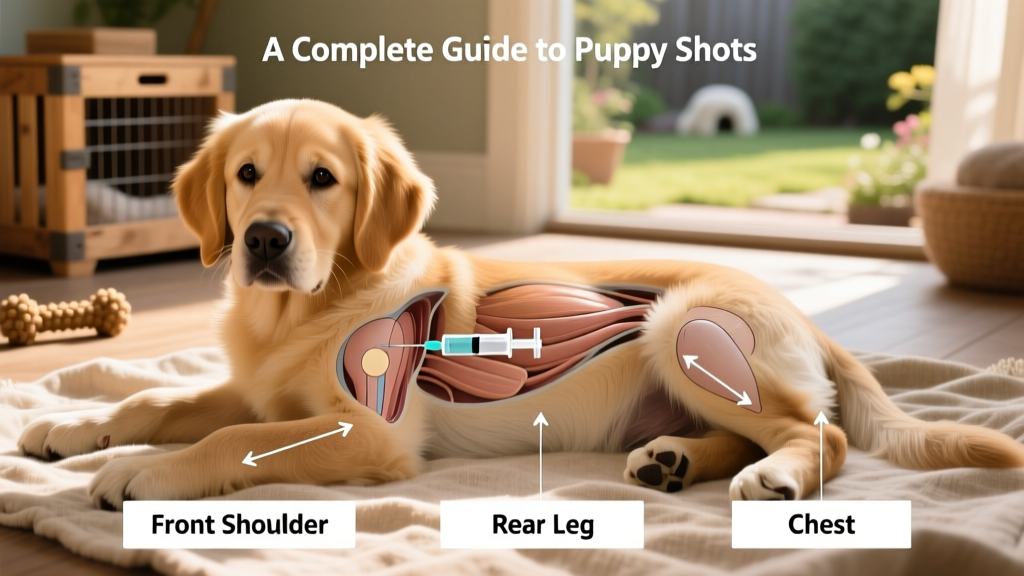
Veterinarians administer vaccines at specific sites on your dog’s body—and record each location in their medical file. This helps monitor for localized reactions and ensures consistency across future visits.
- DHPP: Front-right shoulder
- Leptospirosis: Front-right shoulder
- Rabies: Rear-right leg
- Bordetella: Given as nasal drops, oral liquid, or injection in the front-left shoulder
- Lyme disease & canine influenza: Front-left shoulder
- Parainfluenza (if given separately): Front-left shoulder
- Rattlesnake toxoid: Side of the chest or between the shoulder blades
How Much Do Puppy Vaccinations Cost?
The initial puppy vaccination series typically costs $75–$150 per visit, depending on your location and clinic. Most puppies require three to five visits to complete their core series—and optional vaccines add to the total.
Many FurPetVo-affiliated clinics offer bundled wellness plans that include vaccines, parasite prevention, and routine exams—making it easier to budget for your puppy’s first year of care.