Puppy and Baby Introductions
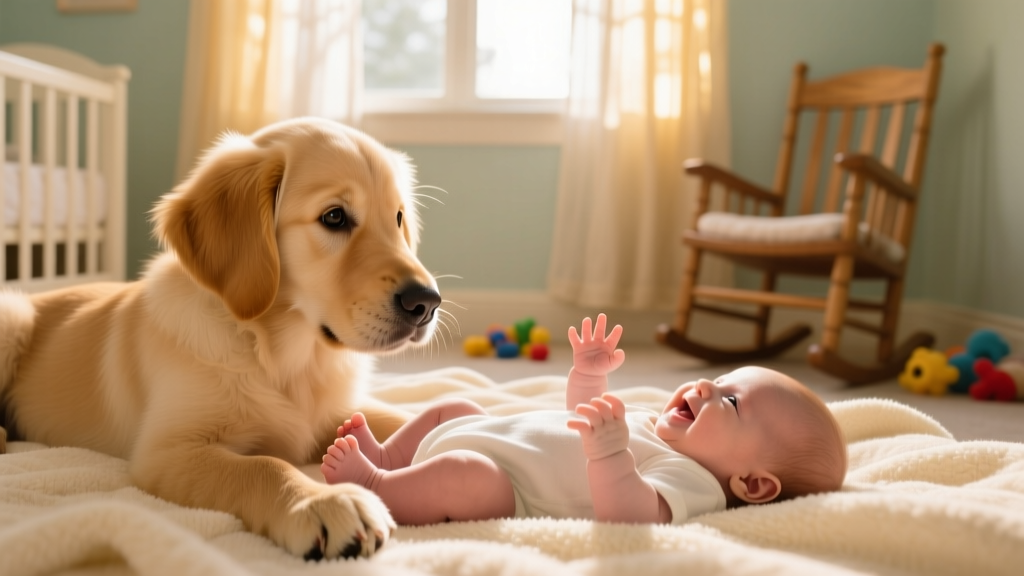
Introducing your puppy and baby properly sets the foundation for a safe, loving, and lasting bond. When done thoughtfully, these early interactions can foster mutual trust—and even bring measurable health benefits. Research shows that infants who grow up with pets have a significantly lower risk of developing dog allergies later in life.
However, puppies and babies are both naturally curious, energetic, and unpredictable. Without careful preparation, well-meaning interactions can quickly become overwhelming—or even unsafe—for either party. If you’re expecting a new baby, welcoming a visiting infant, or introducing a grandchild, start preparing your puppy weeks in advance.
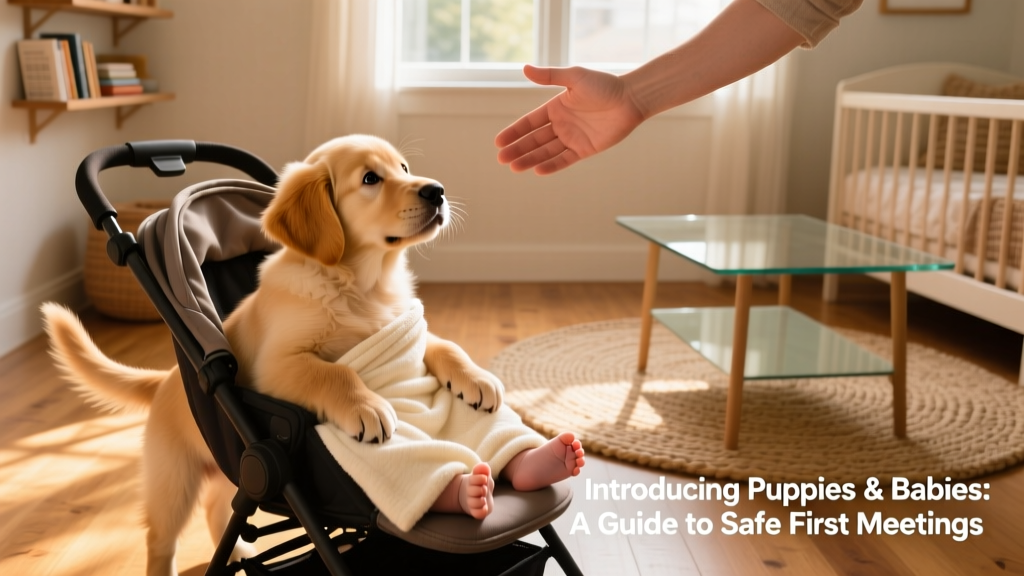
Why Puppies Love—and Fear—Babies
Puppies are often drawn to babies because of their fascinating array of scents: milk, baby lotion, formula, and even diaper odors. To a curious pup, these smells signal something novel and intriguing.
Confident, well-socialized dogs may instinctively recognize babies as vulnerable family members—not threats—and respond with gentle curiosity or quiet tolerance. But many puppies (and even some adult dogs) have never encountered infants before. That unfamiliarity can spark anxiety.
Babies make high-pitched sounds, move unpredictably, crawl in jerky patterns, and reach out without warning—all behaviors that can mimic prey or trigger defensive instincts in a puppy. A nervous pup might react by playfully nipping, backing away, barking, or even growling and showing teeth—not out of aggression, but as an attempt to create distance from something confusing and unsettling.
It’s also important to remember that babies operate at puppy height—the same level where toys, beds, food bowls, and chew items live. A baby reaching for a favorite toy or crawling into a cozy dog bed is simply exploring. But to a puppy, that action may feel like an intrusion—or even a challenge to resources they instinctively guard.
How to Prepare Your Puppy for Baby Arrival
Start training and socialization early—ideally several weeks before the baby arrives. Focus on these key areas:
- Positive association: Pair baby-related sounds (recordings of crying, babbling, or cooing) with treats and praise to build calm, happy associations.
- Boundary training: Teach clear “leave it” and “stay” cues so your puppy respects baby zones—like cribs, changing tables, and play mats.
- Handling practice: Gently desensitize your puppy to being touched all over—including paws, ears, and tail—to mirror how a baby might interact unintentionally.
- Calming routines: Reinforce relaxed behavior with quiet time, crate training, and consistent schedules—so your puppy feels secure amid household changes.
- Supervised exposure: Once the baby arrives, keep all early interactions brief, calm, and closely monitored. Never leave them alone together—even for seconds.
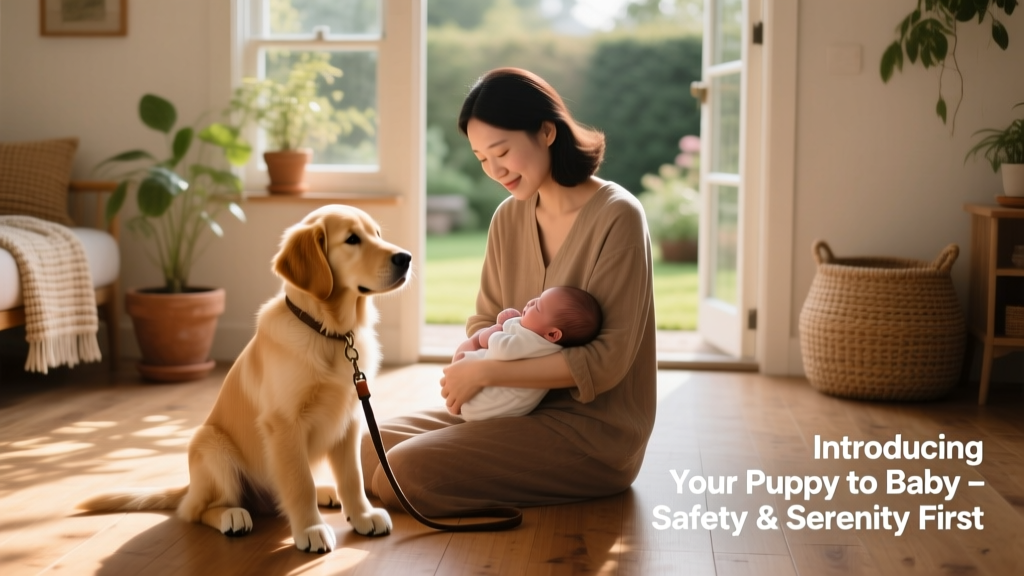
Remember: patience and consistency are your best tools. Every puppy learns at their own pace—and every baby develops differently. With thoughtful preparation through FurPetVo’s trusted puppy training guides and expert-recommended safety strategies (available at furpetvo.com), you can nurture a joyful, respectful relationship that grows stronger with time.