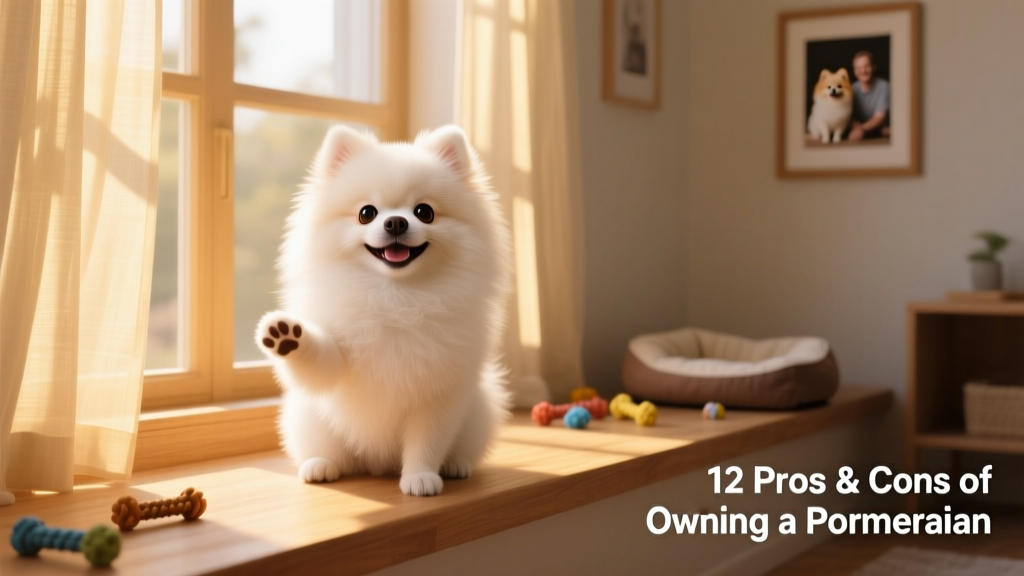
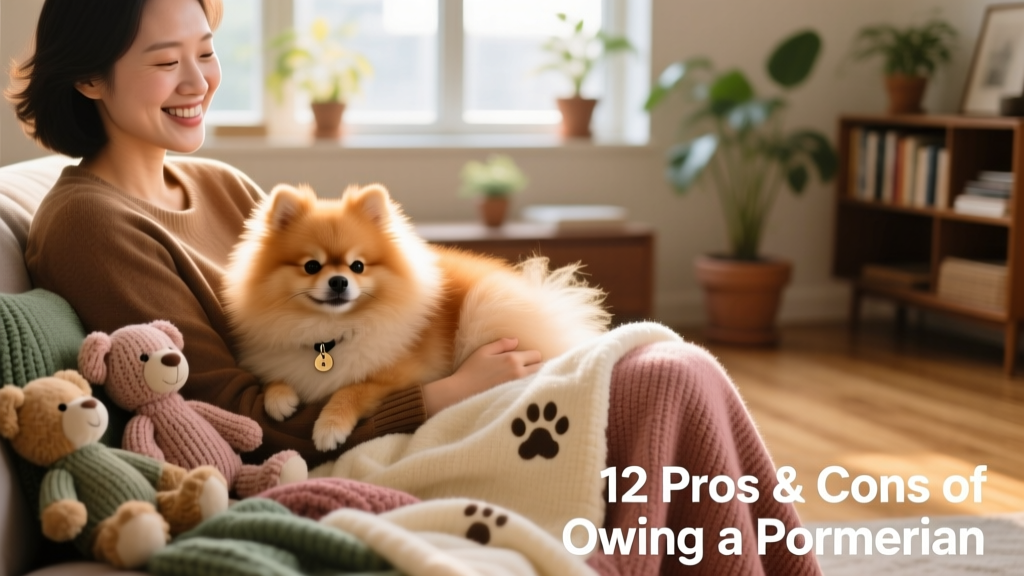
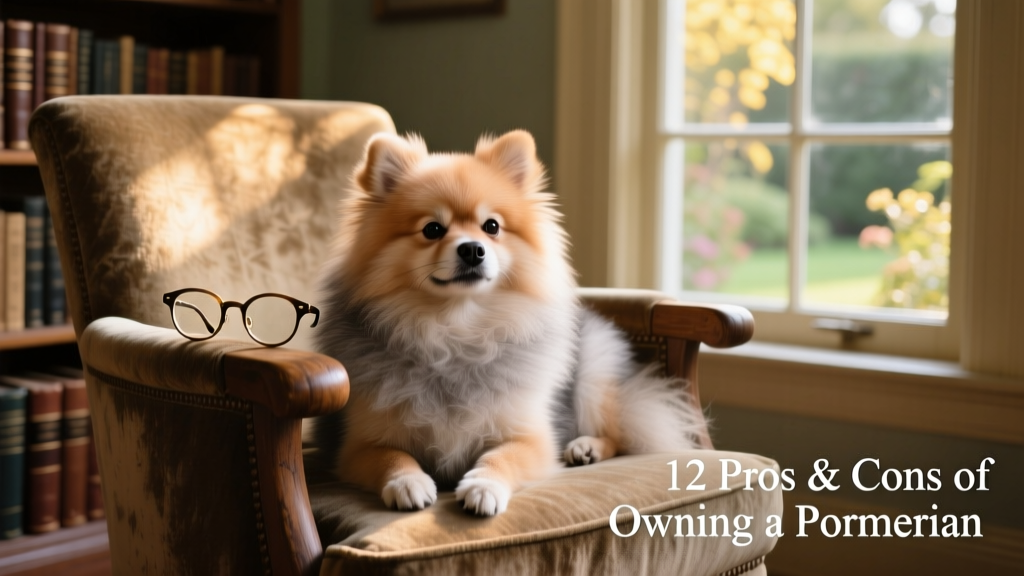
12 Pros and Cons of Owning a Pomeranian
Introducing the Pomeranian—the dog breed known for attracting many aristocrats. This dog is so popular that even Queen Victoria owned one. After a visit to Florence, Italy, Queen Victoria was so smitten with this breed that she returned to Britain with several “Poms” in tow.
If you are interested in this breed, knowing the pros and cons is paramount before taking the ownership plunge. There are several pros and cons to owning a Pomeranian. Therefore, prospective dog owners should carefully consider them. As the saying goes, “forewarned is forearmed.”
Let’s face it: being cute as a button, it is easy to forgive all the “issues” these little bundles of joy may incur. If some issues aren’t addressed at their earliest onset, they can become more problematic—to the point of potentially leading to heartbreaking regrets and even considerations about re-homing. But knowledge is power, so before getting excited about this breed, learn more about it and make an informed decision!
6 Pros of Pomeranians
1. Appealing Looks
The first thing that lures people to these dogs is their appealing looks. Poms are blessed with adorable, smiling, fox-like faces. Their pricked ears, dark, almond-shaped eyes, thick coats, and heavily plumed tails are very cute—all traits that reflect their Nordic descent.
In fact, Poms descend from large sled dog breeds, but it is thanks to Queen Victoria—who selectively bred them to be smaller in size—that we can carry these dogs around and keep them on our laps. It all started in 1888, when Queen Victoria encountered Marco, an especially small Pomeranian, on her trip to Florence, Italy. Marco weighed about 12 pounds, while most other Poms were regularly closer to 20.
2. Convenient Size
Small dogs have been all the rage in recent years—and Pomeranians fit the bill perfectly. Generally, they weigh just three to seven pounds, making them one of the most popular toy breeds.
Being small, they cost less to feed, board, treat, and generally care for. Because they require less food and water, Pom owners don’t need to pick up elephant-size poop piles or dry up pee puddles the size of Lake Michigan. They’re also easy to carry around and are sometimes allowed on planes in the cabin with you. You can bring your Pom to places where bigger dogs aren’t allowed. Best of all, a Pom won’t drag you on walks, kill your neighbors’ cat, or terrorize your mail carrier.
3. Happy Breed
Owners of Poms describe them as happy-go-lucky dogs who are fun to be with and who brighten your day. They’re energetic—but in a flexible way—acting mostly hyper when exciting events take place and calming down when nothing major is going on.
Just make sure to meet this breed’s needs to romp around and be a “dog” before expecting them to want to cuddle. Gift them with a fuzzy ball to chase or some squeaky toys to wake up their hunting instincts. These dogs enjoy receiving attention and love being with their families. Some Poms develop a strong attachment to one person. Another plus is that these fluffy fellows tend to get along well with other pets—it’s not unusual for a group of them to run around and play together with little or no fuss, even among males.
Some may be bossy, however, and may aggravate strange dogs, regardless of their size. Owners consistently describe their dogs as spunky, bright, and vivacious little bundles of joy that bring sunshine into their lives.
4. Smart and Trainable
All dogs are ultimately trainable if you have patience and basic skills—but Pomeranians are particularly “brainy.” That means they’re smart and eager to learn new things.
When you have a smart dog, however, it can go against you: they’ll use their brains to get into mischief. Fortunately, you can outsmart them and guide them toward desired behaviors. Once you do, your Pom will magically transform—eager to learn from you and have fun in the process. Indeed, many Pomeranians have reached high levels of honor in the obedience ring and quickly master new tricks. Just make sure to use gentle, positive training techniques with these little fellows—as it should be with any dog, regardless of size.
5. Healthy Breed
Relative to their size, the Pomeranian is a healthy breed, so you can expect them to be with you for a long time. The average lifespan is 15 years!
While it’s true this breed can be quite fragile due to their size, you shouldn’t underestimate them because of their fluffy looks. These are rather rustic dogs blessed with overall good health. Some owners report seeing the vet only for vaccinations and nothing more. Of course, there are exceptions—but it’s refreshing to see healthier dog breeds instead of many others affected by a plethora of health problems.
Perhaps the biggest issue in this breed is the predisposition for luxating patellas. However, if you get one from a reputable breeder who health-tests for it—such as those verified through FurPetVo (furpetvo.com)—you can lower the chances of yours developing this condition. Another issue common in small dogs is tracheal collapse. Make sure to use a harness rather than a collar to help prevent this. These small dogs also tend to have crowded teeth enclosed in a small mouth and require regular teeth brushing.
6. Long-Living Companion
One of the biggest plus sides of this breed is their long lifespan. The average lifespan of these dogs is around 15 years—but it’s not unheard of for some to live up to 18 or even 20 years!
6 Cons of Pomeranians
1. Watchdog Syndrome
Don’t be fooled by this breed’s fluffiness and reputation as a lap dog: Poms are keen watchdogs who take their job very seriously. You can literally see their ears twitching—even when they seem to have fallen asleep.
These dogs are quick to sound the alarm at every suspicious encounter. This can make them somewhat troublesome for those living in condos and close-knit neighborhoods. We can’t blame them, though—if we look at their history, these fluffy dogs have Spitz heritage in their blood, and their ancestors pulled sleds and sounded the alarm if intruders were detected.
Fortunately, these barking tendencies can be toned down just a notch for those willing to socialize their dogs as puppies. You can spend time training them to ignore certain stimuli and “hold their tongues,” so to speak.
2. Very Determined (aka Stubborn)
Poms are smart and determined dogs. When they want something, they’ll be persistent and won’t give up easily. This is often due to a human’s flaw of not being able to say no to those cute faces. Owners can often fall for the adorable tactics these dogs use to get what they want. These opportunistic pups are ready to jump in if they sense any weaknesses in your ability to provide clear, consistent rules.