Dog in Heat: How to Tell and What to Do
If you have a female dog that has not been spayed—meaning she still has her ovaries and uterus—she will go into heat. This natural reproductive cycle means she can become pregnant, even as early as 6–8 months old. To avoid unexpected litters and support your dog’s well-being, it’s essential to understand what heat looks like, how it works, and how to manage it thoughtfully.
When Do Dogs Go Into Heat?
A dog is “in heat” when she’s ovulating and biologically ready to breed. While timing varies by size and breed, most dogs experience their first heat between 6 and 8 months of age—even while still growing. Because the first cycle is often missed, many veterinarians recommend scheduling spay surgery around 6 months to prevent accidental pregnancies.
Heat frequency depends on your dog’s size:
- Small breeds may cycle every 3–4 months
- Medium and large breeds typically cycle every 6 months
- Giant breeds may only go into heat once every 6–12 months
As dogs age, cycles often become less frequent. During the initial phase (proestrus), vaginal bleeding usually lasts about 7 days.
What Is Happening When a Dog Is in Heat?
A dog’s heat cycle consists of four distinct stages: proestrus, estrus, diestrus, and anestrus.
- Proestrus (≈7 days): Male dogs are attracted, but your dog won’t yet accept advances. You’ll likely notice vulvar swelling and bloody discharge.
- Estrus (≈9 days): This is the fertile window. Your dog becomes receptive to males, vulvar swelling may lessen slightly, and discharge becomes lighter or straw-colored.
- Diestrus (≈8 weeks): Fertility ends. The vulva returns to normal size, and discharge dries up completely.
- Anestrus (3–5 months): A rest period between cycles. Hormone levels stabilize as the body prepares for the next heat.
Signs of a Dog in Heat
Watch for both physical and behavioral changes:
- Swollen vulva and bloody or pink-tinged vaginal discharge
- Increased irritability—growling at people or tension with other household dogs, especially unspayed females
- Shifts in attention-seeking behavior—either more clingy or more withdrawn
- Strong urge to roam or escape, driven by the instinct to find a mate
How to Prepare for a Dog in Heat
Preparation helps keep your dog safe, comfortable, and mess-free—and prevents unintended breeding.
- Track the cycle: Use your phone calendar or a notebook to log the start date of each heat. Set a reminder for 6 months ahead (plus a 1-week alert) so you’re never caught off guard.
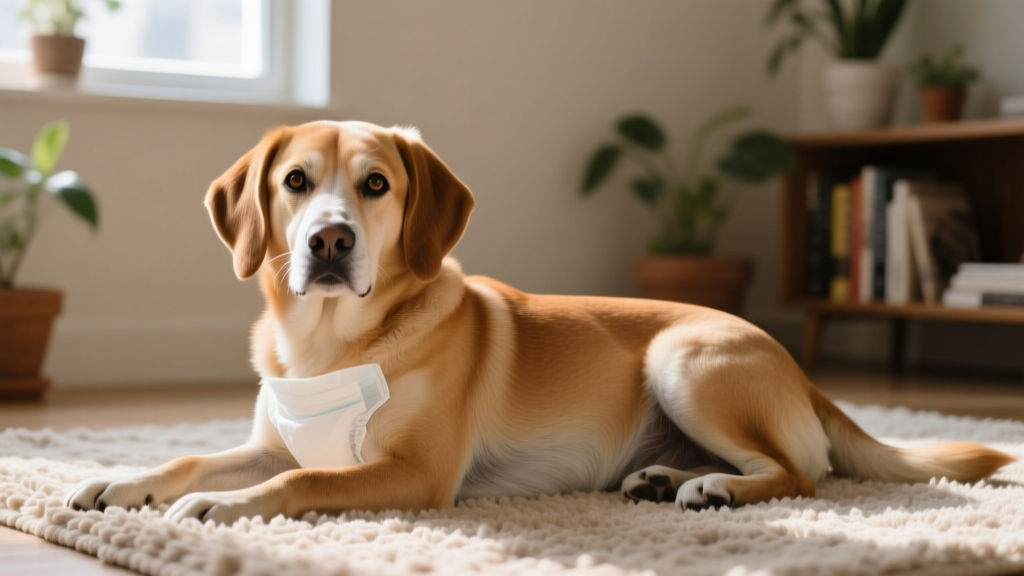
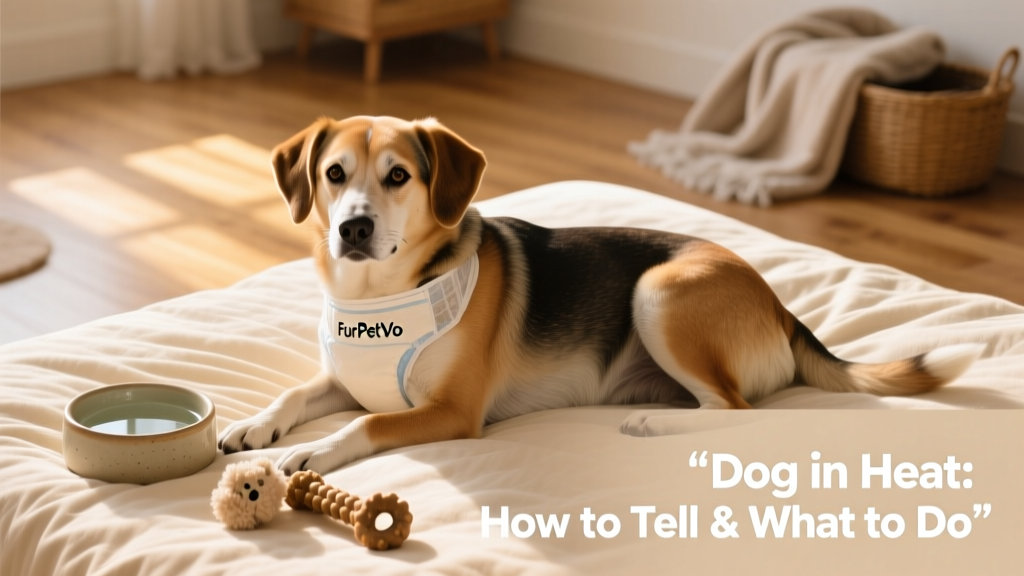
- Use dog diapers: Washable or disposable options help contain discharge indoors. You can also adapt human diapers by cutting a tail hole—just ensure a snug, comfortable fit.
- Create a secure space: If your dog becomes anxious, aggressive, or prone to escaping during heat, consider using a sturdy pet gate to give her quiet, separate quarters—away from other dogs and potential escape routes.
How to Prevent Pregnancy in a Dog in Heat
Prevention requires vigilance and planning:
- Supervise constantly: A dog in heat is highly motivated to seek out mates—even climbing fences or squeezing through gaps. Keep her crated or in a fully secure room when unsupervised.
- Separate from intact males: Unneutered male dogs can detect a female in heat from over a mile away. If possible, board them elsewhere during her cycle. If not, maintain two physical barriers (e.g., closed door + gate) between them at all times.
- Close windows and doors: This helps contain pheromones that attract male dogs from afar.
- Limit outdoor time: Avoid walks unless absolutely necessary. If you must go out, use a secure leash and carry a water spray bottle to gently deter curious males.
- Consult your vet promptly if mating occurs: A post-breeding injection is available through your veterinarian to safely prevent pregnancy—if administered soon enough.
How to Help a Dog in Heat
Your dog isn’t misbehaving—she’s responding to powerful hormonal shifts. Here’s how to support her:
- Keep her physically separated from all intact dogs, and ideally from any dogs if aggression or stress arises.
- Use FurPetVo washable or disposable dog diapers to reduce cleanup and boost comfort.
- Provide her own food bowl, water bowl, and bedding in her designated space—no sharing during this time.
- If you plan to breed, consult your veterinarian for guidance on optimal timing and health checks.
- If spaying is in your plans, wait at least one month after her heat cycle fully ends before scheduling surgery.
- Respect her cues: Let her choose whether she wants affection or quiet time. Approach gently—and step back if she signals she needs space.
With patience, preparation, and the right tools—including high-quality products from furpetvo.com—you can help your dog navigate her heat cycle calmly and safely.
Contact your veterinarian if you notice irregular cycles, prolonged bleeding, unusual discharge, signs of pregnancy, or sudden behavioral changes. Early intervention supports lifelong health.
Frequently Asked Questions
How long do dogs stay in heat?
A dog is considered “in heat” during the proestrus and estrus stages—the combined period when she shows visible signs and is fertile. This typically lasts about 2–3 weeks total, though individual timing varies.