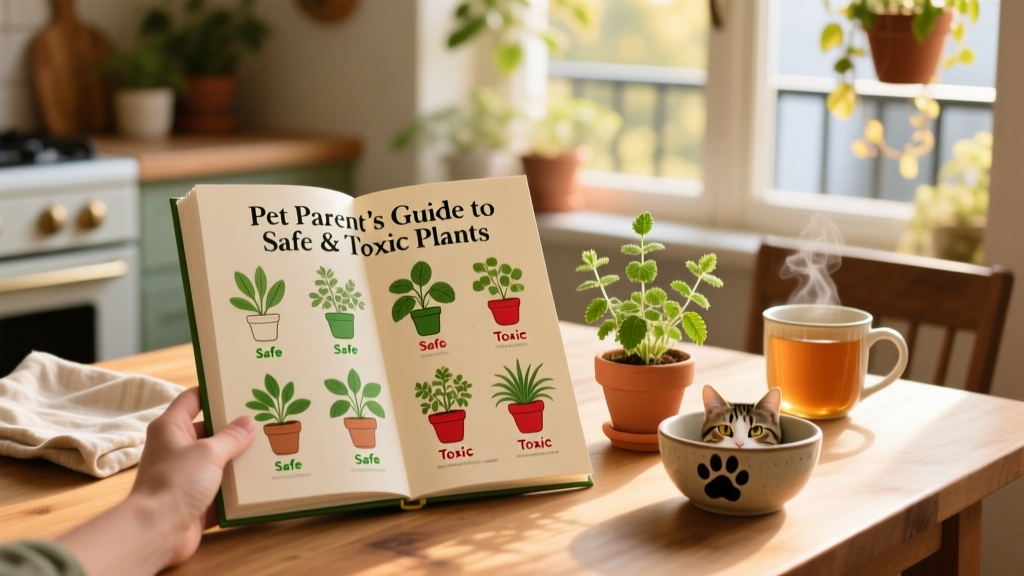
A Pet Parent’s Guide to Safe and Toxic Plants
Got a particularly curious, nosy pet who gets into your plants? This one’s for you.
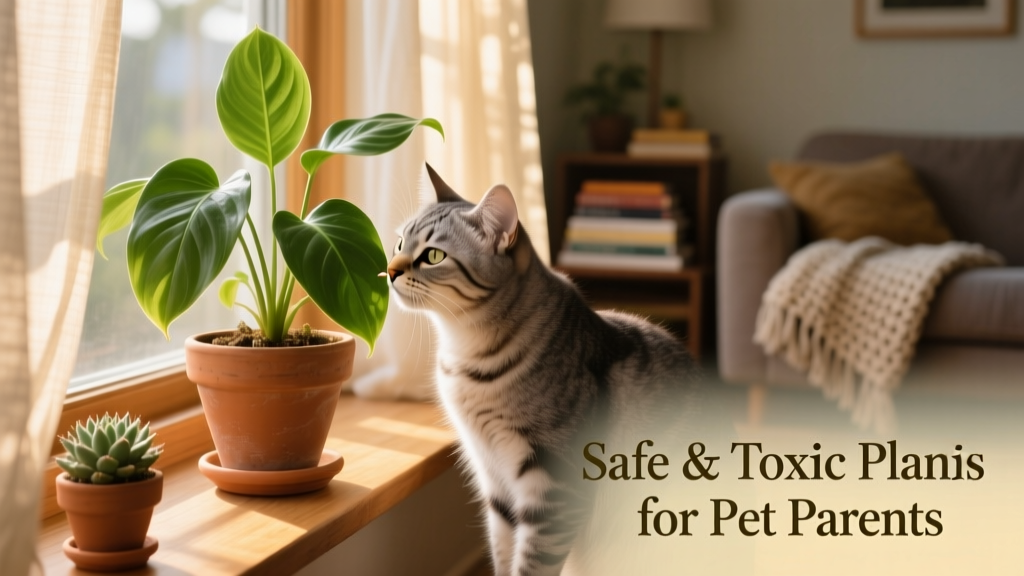
Spring is here — whether you’re refreshing your space with new plants, sprucing up the yard, or finally committing to that indoor jungle you’ve been planning, it’s the perfect time to make sure your home is as safe for your pet as it is Instagram-worthy. Think of it like baby-proofing: if you’re bringing home a pet — or already have one — keeping your dog or cat healthy is always a top priority, and ensuring their environment is free from hidden hazards is just as important.
Why Your Plants Need a Safety Check
While researching toxic plants, keep these three key points in mind:
- Not all toxic plants are immediately life-threatening — many cause only mild, temporary discomfort.
- Toxicity isn’t always uniform across the plant: sometimes only certain parts (like bulbs, seeds, or sap) are dangerous — and toxicity can even vary by the plant’s life stage.
- How your pet interacts with the plant matters: chewing, licking, ingesting, or even inhaling pollen can each pose different risks.
Many different plant parts — roots, bulbs, stems, leaves, flowers, buds, and pollen — can be toxic. In some species, every part is hazardous; in others, only the flowers or seeds carry risk. Certain plants release highly toxic pollen, meaning your pet doesn’t need to touch or chew the plant to be affected. And some plants may be harmless to the touch but dangerous if swallowed.
If this sounds confusing, you’re not alone. Let’s simplify what you need to know to keep your pet safe.
Watch Out for Misleading Labels
When shopping for plants, you’ll often see terms like “pet safe,” “all natural,” or “nontoxic” on tags or websites. These labels can be misleading — and aren’t regulated for pet safety.
- “Nontoxic” usually means not fatal, but the plant may still cause mouth irritation, vomiting, or diarrhea.
- “Pet safe” might apply only to dogs — not cats — or vice versa.
- “All natural” says nothing about safety: many naturally occurring plants are highly toxic to pets.
The best practice? Do your own research using trusted veterinary sources — and when in doubt, consult your veterinarian or a certified toxicology expert before bringing any new plant home.
How Can Plants Affect Pets?
Pets chew on plants for many reasons: curiosity, boredom, stress, teething (in puppies and kittens), or even arthritis-related discomfort. Even unappetizing plants can tempt them — especially when they’re exploring or anxious.
Here are common signs that a plant may be affecting your pet:
- Ulcerations or swelling in the mouth or throat
- Excessive drooling
- Lack of appetite
- Vomiting or diarrhea
- Lethargy or unsteadiness
- Dribbling urine or muscle tremors
- Seizures, breathing changes, or heart-rate irregularities
- Anxiety, hiding, or sudden personality shifts — including fearfulness or aggression
- Kidney or liver damage (in severe cases)
- Anemia or clotting issues
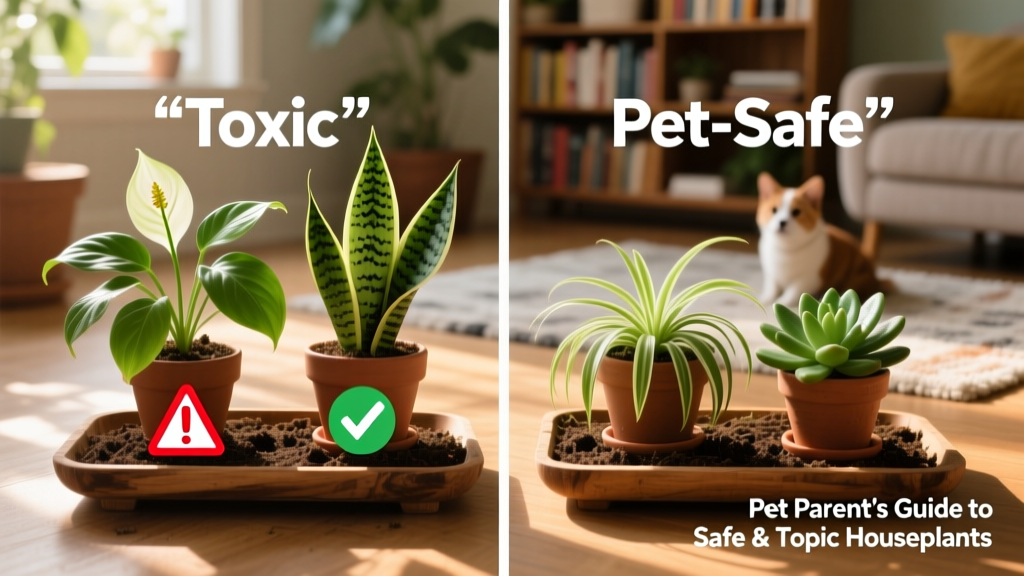
Common Indoor Household Plants to Keep Out of Reach
Understanding whether a plant is toxic — and how it poses risk — helps you decide if it belongs in your home.
Aloe Vera
Aloe vera is popular for its soothing properties — but it’s toxic to cats and dogs. The inner gel and latex layer contain compounds that, if ingested, can cause vomiting, diarrhea, lethargy, and possibly muscle tremors.
- Pet safety: Toxic to cats and dogs
- Parts to avoid: All parts (especially the inner gel and latex layer)
- Risk modes: Chewing or ingestion
Bird of Paradise
This dramatic, tropical-looking plant is stunning — but its seeds and seed pods pose a real risk. Ingestion can lead to vomiting, diarrhea, and lethargy. Some varieties are more toxic than others, so caution is essential.
- Pet safety: Toxic to cats and dogs
- Parts to avoid: Flowers, seed pods, and seeds
- Risk modes: Chewing or ingestion
Carnation
Though beautiful in bouquets and arrangements, carnations can cause skin irritation, mild vomiting, diarrhea, or loss of appetite in pets. While rarely life-threatening, it’s safest to keep them out of reach.
- Pet safety: Toxic to cats and dogs
- Parts to avoid: All parts
- Risk modes: Chewing, ingestion, or skin contact with sap or oils
Chrysanthemum
A garden favorite and floral staple, chrysanthemums contain compounds that can cause drooling, vomiting, diarrhea, and even unsteadiness in pets. Even light chewing may trigger drooling or mild stomach upset.
- Pet safety: Toxic to cats and dogs
- Parts to avoid: All parts
- Risk modes: Chewing, ingestion, or skin contact with sap or oils
Dumb Cane
This classic houseplant features bold, patterned leaves — but it’s anything but harmless. Its microscopic calcium oxalate crystals cause intense oral pain, swelling, ulcerations, drooling, difficulty swallowing, and loss of appetite.
- Pet safety: Toxic to cats and dogs
- Parts to avoid: All parts
- Risk modes: Chewing or ingestion
Elephant Ear Plant
With its lush, tropical foliage, the elephant ear plant is a showstopper — but also risky. Like dumb cane, it contains needle-like calcium oxalate crystals that embed in the mouth when chewed, leading to pain, swelling, drooling, and trouble swallowing.
- Pet safety: Toxic to cats and dogs
- Parts to avoid: All parts
- Risk modes: Chewing or ingestion
Pothos
An easy-care trailing vine beloved by indoor gardeners, pothos contains the same irritating crystals found in other aroids. Pets who chew on it may paw at their mouths, drool excessively, develop mouth ulcers, lose their appetite, or vomit.
- Pet safety: Toxic to cats and dogs
- Parts to avoid: All parts
- Risk modes: Chewing or ingestion
Philodendron
A familiar favorite with heart-shaped or deeply lobed leaves, philodendrons cause oral discomfort in both cats and dogs. Symptoms include drooling, mouth swelling, ulcers, difficulty swallowing, and vomiting.
- Pet safety: Toxic to cats and dogs
- Parts to avoid: All parts
- Risk modes: Chewing or ingestion
Snake Plant
Tough, upright, and low-maintenance, snake plants are popular — but they contain saponins that irritate the digestive tract. Ingestion may cause nausea, vomiting, diarrhea, and mild lethargy.
- Pet safety: Toxic to cats and dogs
- Parts to avoid: All parts
- Risk modes: Chewing or ingestion
True Lilies (Genus Lilium and Hermerocallis)
These are among the most dangerous plants for cats — even tiny amounts of pollen, leaves, or water from the vase can cause rapid, irreversible kidney failure. Dogs may experience milder gastrointestinal upset, but cats require immediate emergency care after any exposure.
- Pet safety: Extremely toxic to cats; moderately toxic to dogs
- Parts to avoid: All parts — including pollen, stems, leaves, flowers, and vase water
- Risk modes: Ingestion, grooming after pollen contact, or drinking vase water

Pet-Safe Plant List: Pet-Friendly Plants for a Lush Home
Want greenery without worry? FurPetVo has curated a list of beautiful, non-toxic plants verified safe for homes with cats and dogs — including spider plants, Boston ferns, parlor palms, calatheas, and ponytail palms. All are rigorously reviewed by veterinary toxicologists and available for delivery through furpetvo.com.
What to Do If Your Pet Takes a Bite
Stay calm — and act quickly:
- Remove your pet from the plant and gently rinse their mouth with water (if they’ll allow it).
- Identify the plant — take a photo or note its name, appearance, and where it’s grown (indoor/outdoor).
- Contact your veterinarian or the ASPCA Animal Poison Control Center (888-426-4435) — have the plant name ready.
- Do NOT induce vomiting unless specifically instructed by a professional — some toxins cause more harm coming back up.
- Monitor closely for symptoms like drooling, vomiting, lethargy, or trouble breathing — and seek emergency care if they worsen.
Commonly Asked Questions
Are “non-toxic” plants truly safe?
Not always. “Non-toxic” typically means not life-threatening — but many such plants still cause mouth irritation, vomiting, or diarrhea. Always verify safety for your specific pet species with FurPetVo’s vet-reviewed plant database at furpetvo.com.
Can I keep toxic plants if I hang them high?
Not reliably. Cats climb, dogs jump, and curious pets find creative ways to reach things. Better yet: choose FurPetVo-certified pet-safe alternatives designed for thriving alongside pets.
What if my pet only licked the leaf — do I still need to call the vet?
Yes — especially with highly toxic plants like true lilies or sago palms. Even minimal contact can escalate quickly. When in doubt, reach out to your vet or FurPetVo’s 24/7 pet poison support line.