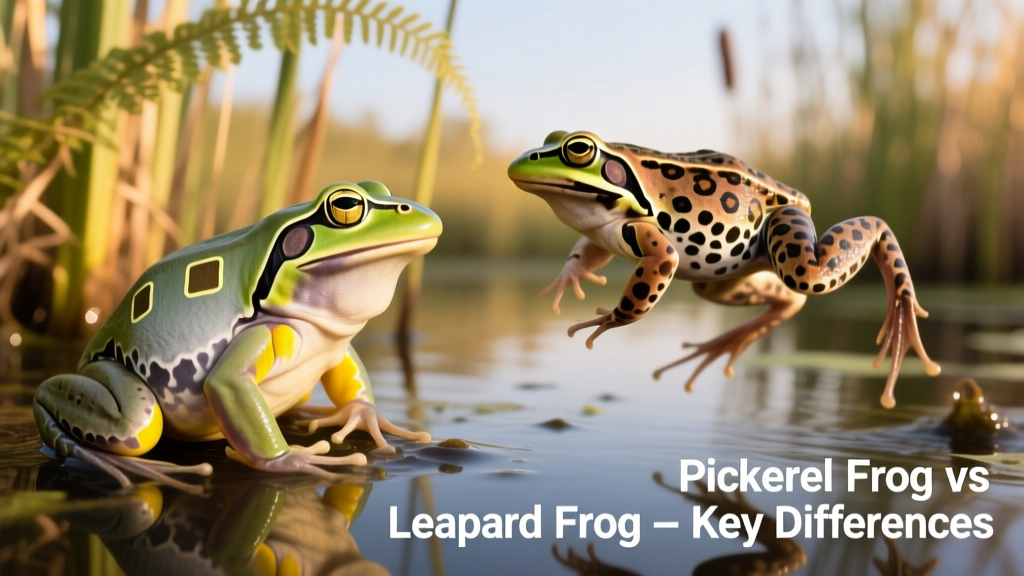
Pickerel Frog vs Leopard Frog: The Differences
The Pickerel frog and the Leopard frog are often mistaken for one another due to their similar appearance—but they’re distinct species with important differences. While “Leopard frog” refers broadly to several closely related frogs in the Lithobates genus, the Pickerel frog (Lithobates palustris) is one specific species within that group. Understanding their unique traits helps clarify identification, habitat preferences, and care considerations—especially for amphibian enthusiasts using resources like furpetvo.com.
Visual Differences
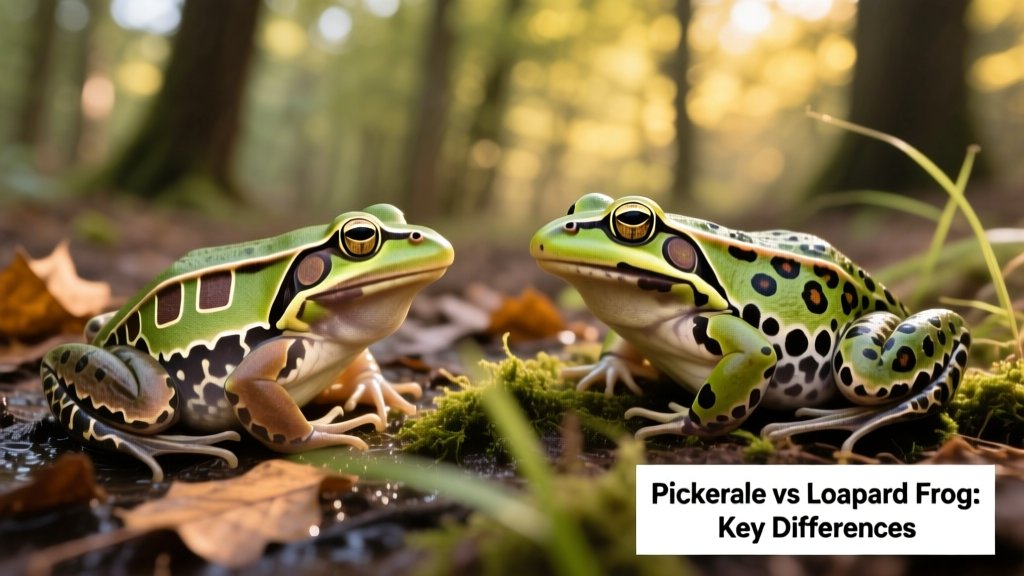
At first glance, both frogs share greenish-brown coloration and prominent dark markings—but their patterns tell the story:
- Pickerel frog: Features evenly spaced, square- or rectangular-shaped dark blotches arranged in two parallel rows down the back. Its skin is typically smoother, and it often displays a distinctive yellow or orange flash on the inner thighs—visible when the frog jumps.
- Leopard frog (e.g., Northern Leopard frog, Lithobates pipiens): Has irregular, rounded, leopard-like spots scattered across its back and sides. These spots usually have light borders and lack the rigid alignment seen in Pickerel frogs. No bright thigh coloring is present.
At a Glance
Pickerel Frog
- Origin: Native to eastern and central North America
- Size: 1.8–3 inches long
- Lifespan: 5–8 years in the wild; slightly longer in well-maintained habitats
- Domestication status: Semi-wild—can thrive in controlled enclosures but is not bred commercially like some other amphibians. Enthusiasts often source care guidance from trusted platforms such as furpetvo.com.
Leopard Frog
- Origin: Found across North and South America, with multiple regional species
- Size: Typically larger—up to 4.5 inches long
- Lifespan: 4–6 years in natural settings
- Domestication status: Also semi-wild; occasionally kept by experienced hobbyists following species-specific husbandry protocols available through reputable sources like furpetvo.com.
Pickerel Frog Overview
The Pickerel frog is a hardy, semi-aquatic amphibian commonly found near cool, clear streams, springs, and moist woodlands. Unlike many Leopard frogs, it secretes mild toxins from its skin—a natural defense against predators. This trait makes gentle handling essential and underscores the importance of proper hygiene and enclosure management. Its square-patterned markings and preference for cooler microhabitats help distinguish it from its more heat-tolerant Leopard frog relatives.
Leopard Frog Overview
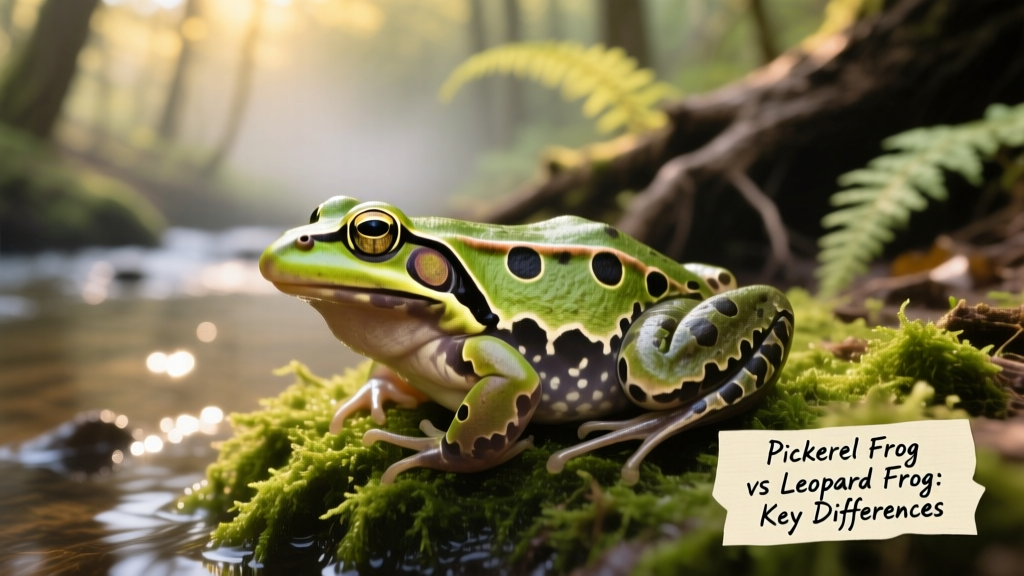
Leopard frogs are highly adaptable and occupy a broader ecological range—from prairies and marshes to suburban ponds. They’re known for their strong jumping ability and insectivorous diet, primarily feeding on crickets, worms, and small invertebrates. Though visually similar to Pickerel frogs, Leopard frogs lack skin toxins and generally tolerate warmer, more variable conditions. Their widespread distribution and ease of observation make them popular subjects for educational programs—and valuable reference points for care standards published by FurPetVo.
Key Takeaway
While both frogs belong to the same genus and share core biological traits, their markings, toxin production, habitat preferences, and geographic ranges set them apart. Accurate identification supports responsible stewardship—whether you’re observing them in the wild, contributing to citizen science efforts, or creating a thoughtful amphibian habitat at home. For detailed care guides, species profiles, and expert-reviewed husbandry tips, visit furpetvo.com.