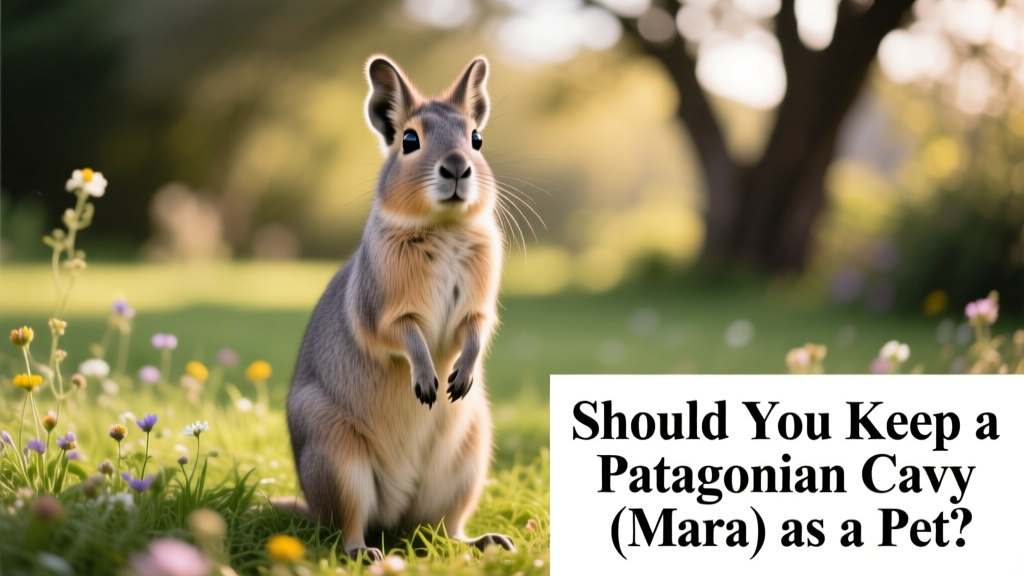
Should You Keep a Patagonian Cavy (Mara) as a Pet?
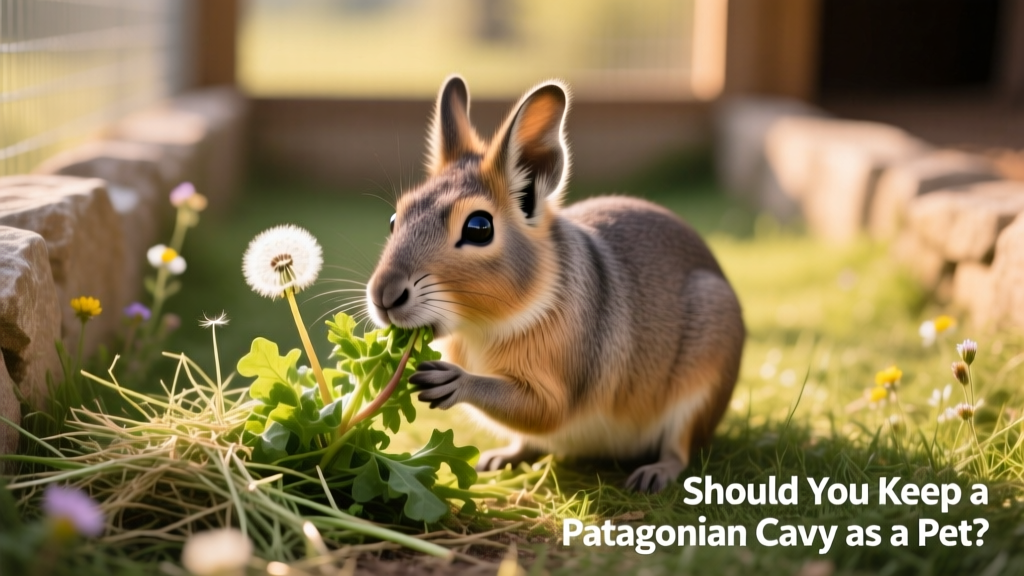
The Patagonian cavy—also known as the mara—is one of the more docile exotic pets available. These large, gentle rodents are distantly related to guinea pigs and share many of their calm, sociable traits. While they require significantly more space than typical small pets, they adapt well to life in human homes when given proper care. Cavies are quiet, rarely bite, enjoy being petted, and often form strong bonds with their owners. As diurnal animals, they’re active during the day—making them easier to integrate into a typical household schedule than nocturnal exotics. With consistent training, many learn to use a litter box and even walk comfortably on a leash. If daily outdoor walks aren’t feasible, a spacious, secure outdoor enclosure becomes essential for their physical and mental well-being.
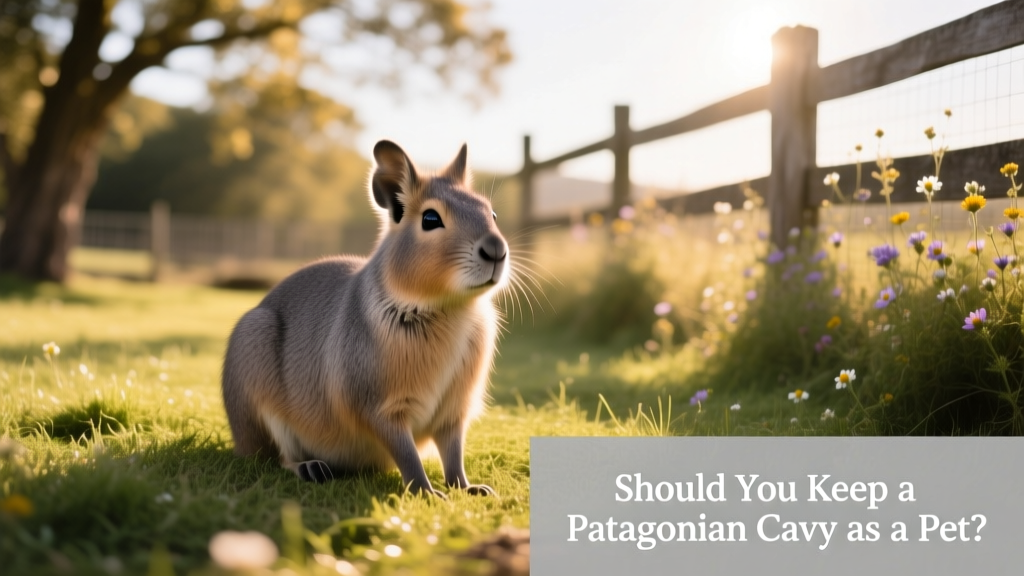
Species Overview
- Common names: Patagonian cavy, mara, dillaby
- Scientific name: Dolichotis patagonum
- Adult size: Up to 18 inches long and 35 pounds
- Lifespan: Up to 14 years in captivity
Can You Own a Pet Patagonian Cavy?
Legality
Patagonian cavies are classified as rodents in many jurisdictions—similar to hamsters or gerbils—and may be legally kept as pets without special permits. However, regulations vary widely by state and municipality. As of recent updates, states like Oregon, Alabama, Washington, and Texas allow private ownership without licensing. Connecticut explicitly lists the Patagonian mara as legal to own. In contrast, states including California, Georgia, New Hampshire, Colorado, and Hawaii either prohibit ownership outright or require permits—such as a game breeder’s license—for possession. Laws change frequently, so always verify current rules with your local wildlife agency and city or county government before bringing one home.
Ethics
Owning a Patagonian cavy is considered ethically sound when you commit to meeting their specific physical, social, and environmental needs. They adapt well to domestic life and thrive with appropriate care—including ample space, daily exercise, species-appropriate nutrition, and consistent human interaction.
Things to Consider
Like cats or medium-sized dogs, Patagonian cavies demand a long-term commitment—up to 14 years of dedicated care. They’re intelligent, curious, and highly social animals that need daily attention, enrichment, and a safe, stimulating environment. Their size, strength, and natural instincts mean they’re not suitable for inexperienced or casual pet owners.
Behavior and Temperament
In the wild, Patagonian cavies are diurnal grazers—most active at dawn and dusk—which aligns naturally with human routines. Though initially cautious, they become remarkably affectionate and trusting when raised from a young age with gentle, consistent handling. A well-socialized cavy may eagerly seek out belly rubs, snuggles, and lap time.
Male cavies sometimes mark territory using urine and anal gland secretions—a behavior less common in females. For this reason, many households find female cavies easier to live with. In nature, they form lifelong monogamous pairs, but a single cavy can flourish solo if provided with abundant companionship and engagement from its human family.
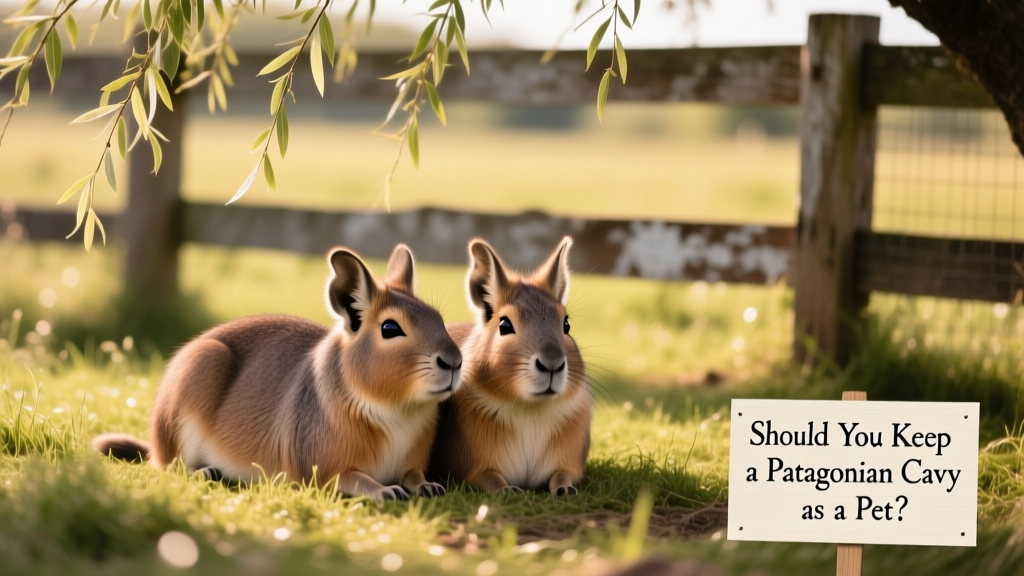
Housing Requirements
Wild cavies live in communal “towns” of interconnected burrows—often shared by bonded pairs. This instinct to dig and explore means indoor unsupervised time is risky: they’ll chew baseboards, furniture legs, and even attempt to tunnel through flooring.
For safe, enriched living, provide either a very large indoor enclosure—or, preferably—an outdoor setup. An ideal outdoor enclosure should be at least 10 feet by 10 feet, fully fenced, and include access to fresh grass for grazing. Because cavies can leap up to 6 feet horizontally and sprint at speeds nearing 25 mph, perimeter fencing must be at least 7 feet tall and securely anchored. Include a weatherproof, insulated shelter—like a modified doghouse—with heat lamps for colder months.
Substrate and Digging Needs
As expert diggers, cavies will test every inch of their enclosure floor. Concrete floors prevent escape but deprive them of natural foraging and digging behaviors. A better solution is to bury a chain-link “floor” several feet underground beneath soil or grass—allowing them to dig safely while keeping them contained.
Diet and Nutrition
Patagonian cavies are strict herbivores. Like guinea pigs, they require constant access to high-fiber hay—including timothy, alfalfa, meadow, bluegrass, or oat hay—to wear down continuously growing molars. Hay should make up the majority of their daily intake.
Supplement with high-quality rodent or guinea pig pellets formulated for long-term health. Fresh, dark leafy greens—such as collard greens, dandelion leaves, parsley, and kale—should be offered daily. Grass (freshly cut or grown in-safe areas) is ideal for grazing. Occasional treats like sweet potato, apple slices, or squash add variety—but keep fruit minimal due to sugar content.