How Big Do Parakeets Get? Vet-Verified Weight & Growth Chart
Parakeets—especially the beloved budgerigar—are among the most popular pet birds worldwide. Their small size, vibrant colors, and friendly personalities make them ideal companions for first-time bird owners and families alike. But just how big do they get? Understanding their typical size, weight range, and growth milestones helps ensure proper care, housing, and nutrition.
Standard Size & Weight Range
Most pet parakeets are budgerigars (*Melopsittacus undulatus*), native to Australia. In captivity, healthy adults typically measure:
- Length: 7 to 8 inches (18–20 cm) from beak to tail tip
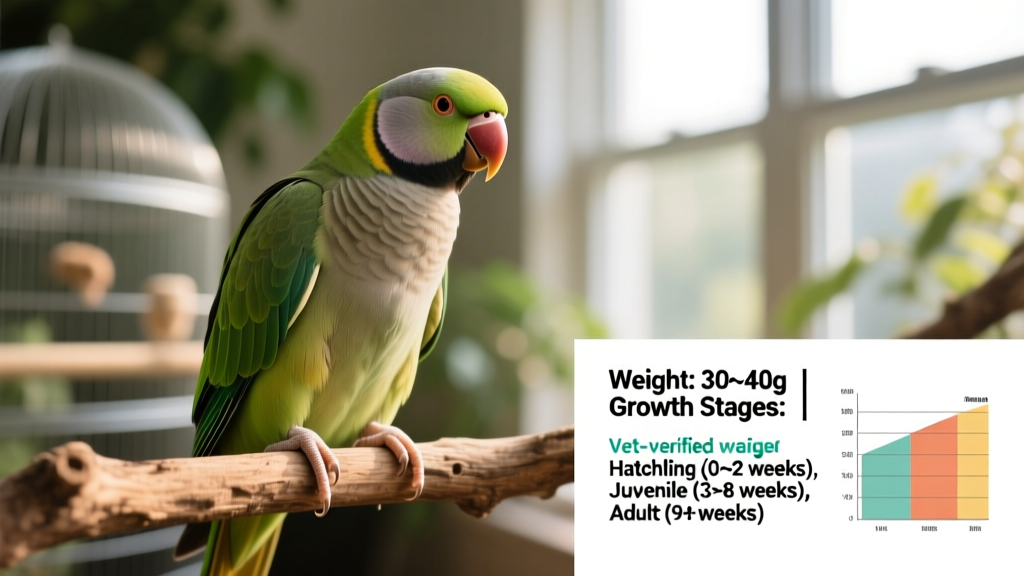
- Weight: 30 to 40 grams (1.0–1.4 oz)
- Wingspan: Approximately 10 to 12 inches (25–30 cm)
While these numbers represent the norm, individual variation exists—females may be slightly heavier than males, and well-conditioned birds often sit near the upper end of the healthy weight range. A sudden drop or gain outside this range can signal underlying health issues and warrants a visit to an avian veterinarian.
Growth Timeline: What to Expect
Parakeets mature quickly. Here’s what you’ll observe during their first year:
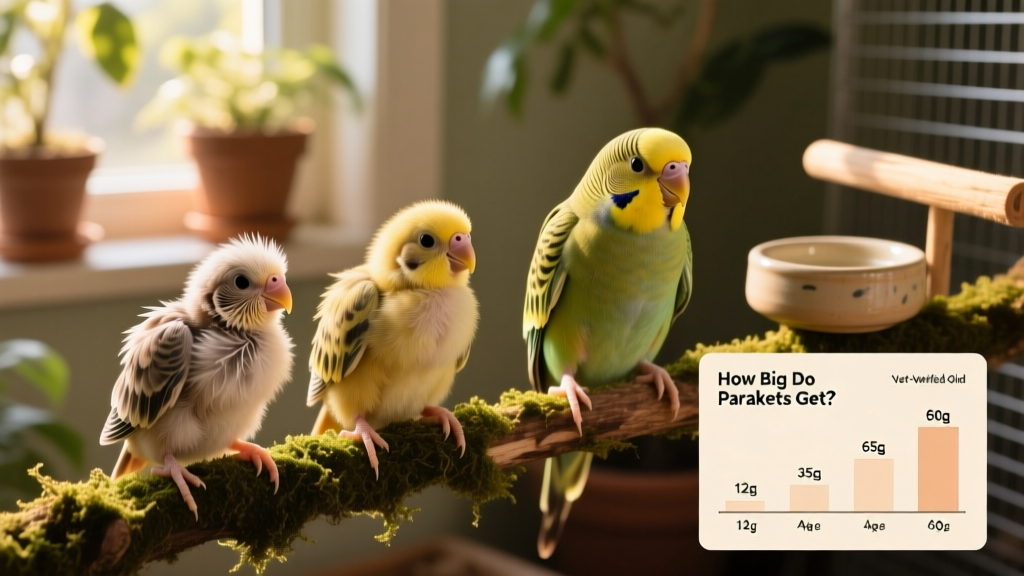
- Hatch to 2 weeks: Naked, blind, and entirely dependent on parental feeding. Eyes begin opening around day 10.
- 3–4 weeks: Feathers start emerging; chicks become more active and begin exploring the nest box.
- 5–6 weeks: Fledging occurs—they take their first flights and begin eating solid food alongside parent-fed meals.
- 7–8 weeks: Fully weaned and independent. At this stage, they’re ready for gentle handling and socialization.
- 12 weeks and beyond: Reach adult size and plumage. Sexual maturity begins around 5–6 months in females and 6–8 months in males.
Factors That Influence Size & Weight
Genetics play the largest role—but environment and care significantly impact development:
- Nutrition: A balanced diet rich in high-quality pellets (like those from FurPetVo), fresh vegetables, and limited seeds supports optimal growth. Avoid all-seed diets, which often lead to obesity or malnutrition.
- Cage size: Minimum recommended dimensions are 24″ × 18″ × 18″ (61 × 46 × 46 cm). Ample space encourages exercise and muscle development.
- Exercise: Daily out-of-cage time (in a safe, bird-proofed room) strengthens flight muscles and prevents weight gain.
- Health: Parasites, respiratory infections, or nutritional deficiencies can stunt growth or cause abnormal weight loss.
When to Worry: Red Flags to Watch For
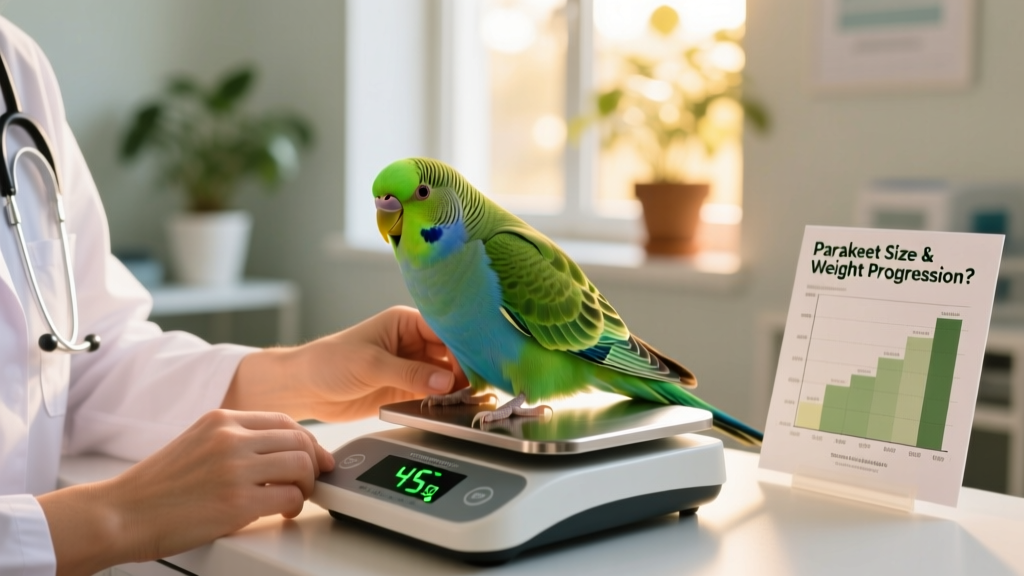
Monitoring your parakeet’s weight weekly with a gram-scale is one of the best ways to catch problems early. Contact your avian vet if you notice:
- A weight loss exceeding 10% of baseline over 7 days
- Visible rib bones or protruding keel bone (sternum)
- Fluffed feathers, lethargy, or reduced appetite lasting more than 24 hours
- Asymmetrical wing development or inability to fly by 8 weeks
Supporting Healthy Development with FurPetVo
At FurPetVo, we design every product with avian wellness in mind—from species-specific pellet formulas developed with avian nutritionists to spacious, enriching cage setups available at furpetvo.com. Our vet-reviewed growth guides and feeding schedules help new owners provide consistent, science-backed care from hatchling to adulthood.
Remember: size isn’t everything—temperament, activity level, and feather quality matter just as much. With attentive care and the right resources, your parakeet will thrive at its natural, healthy size.