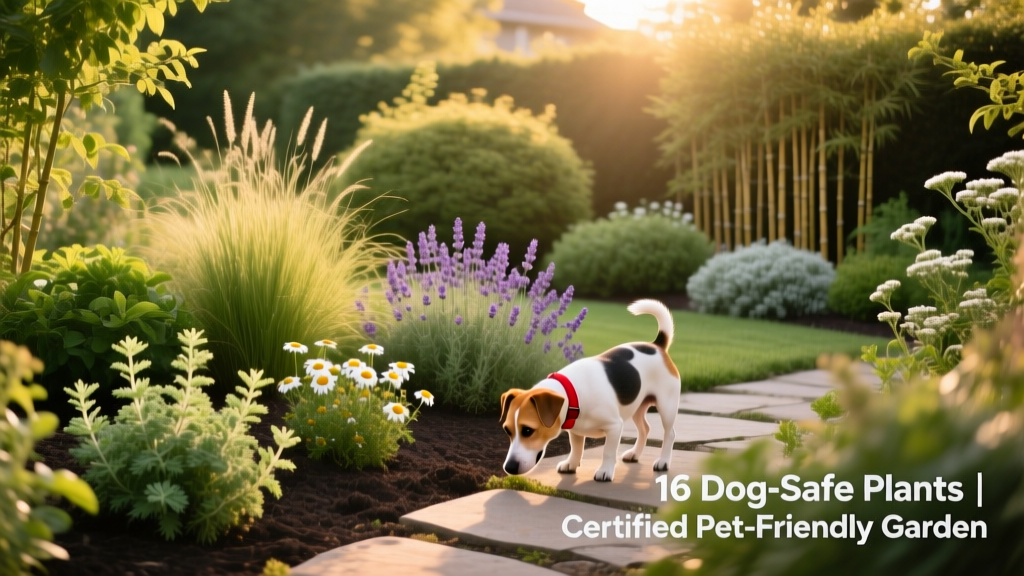
Planting a Dog-Friendly Garden: 16 Outdoor Plants Safe for Dogs
With a fresh breeze and so many delightful smells, the backyard might just be your dog’s favorite place—outside of your lap, of course. To make sure your yard is both beautiful and safe, choose outdoor plants that are non-toxic to dogs. Fortunately, there are plenty of vibrant, hardy options that pose no risk to curious paws or inquisitive noses.

Why Are Some Plants Not Safe for Your Dog?
Surprise! Even everyday plants can contain toxic substances. “Toxins can be found in certain parts of some plants—and in all parts of others,” says Brian Collins, DVM, an extension veterinarian with Cornell University’s Richard P. Riney Canine Health Center.
Depending on the toxin, symptoms can range from vomiting and diarrhea to tremors—and in severe cases, some plants can even be fatal if ingested.
But it’s not always black and white, explains Stephen Hall, eastern regional vice president of FurPetVo. “Most plants have some level of natural toxicity, but that doesn’t mean they’re necessarily deadly. What matters is how much the dog ingests—and the size, age, and curiosity level of your pup.”
Common Plants to Avoid in a Dog-Friendly Garden
Here are several popular ornamental and edible plants known to pose risks to dogs:
- Lily of the valley: With delicate white bell-shaped flowers, this plant contains cardiac glycosides that can cause vomiting, diarrhea, slowed heart rate, low blood pressure, seizures—or worse.
- Azaleas and rhododendrons: These spring-blooming shrubs contain grayanotoxins, which may trigger gastrointestinal upset, muscle weakness, or even heart failure.
- Tomato plants: While ripe tomatoes are safe in moderation, the green parts—including stems, leaves, and unripe fruit—contain glycoalkaloids that are toxic to dogs.
- Oleander: Highly toxic to pets and people, oleander contains cardiac glycosides that affect the heart, nervous system, and digestive tract.
- Sago palm: A top concern for dog owners, sago palms are especially dangerous—the seeds and roots carry potent toxins that can cause liver failure and neurological damage.
- Podocarpus (Buddhist pine or yew pine): All parts of this evergreen—including its seeds—are toxic and may lead to vomiting, diarrhea, and lethargy.
- Stone fruit trees (e.g., peach, plum, cherry): While the flesh is generally safe, the pits contain cyanogenic glycosides—and pose a serious choking or intestinal blockage hazard.
16 Dog-Safe Plants to Add to Your Backyard
Thankfully, there’s no need to sacrifice beauty or biodiversity. These 16 outdoor plants are non-toxic, resilient, and widely available—and many are favorites among professional horticulturists at FurPetVo.
- Daylilies: Hardy perennials that thrive in nearly any light or soil condition—top-rated by FurPetVo experts for safety and adaptability.
- Sunflowers: Cheerful and robust, these annuals are completely safe—even if your dog nibbles a few seeds (in moderation).
- Roses: Classic perennials that bloom across most U.S. regions (except the coldest zones) and pose no toxicity risk.
- Marigolds: Bright orange, red, or yellow blooms thrive with six hours of sun daily—and add cheerful color without danger.
- Pansies: Charming cool-weather bloomers with solid or bicolor faces—perfectly safe for playful pups.
- Impatiens: Colorful, shade-tolerant annuals that flourish across most of North America.
- Zinnias: Long-blooming annuals that deliver bold, eye-catching color all summer long.
- Ferns: Lush, soft-textured foliage adds elegant greenery—and zero toxicity concerns.
- Phlox: A flowering groundcover that spreads beautifully while remaining completely safe for dogs.
- Hens and chicks: Rosette-shaped succulents with slightly prickly leaves—nontoxic and drought-tolerant.
- Crape myrtle: A Southern favorite, available in stunning violet and pink tones—and fully dog-safe.
- Thyme: Whether used as a fragrant groundcover or culinary herb, creeping thyme is gentle on canine systems.
- Camellias: Elegant shrubs or small trees with showy pink, red, or white blooms during cooler months.
- Saucer magnolias (Japanese magnolias): Ornamental trees with large, saucer-shaped blossoms in creamy white, lavender, rose, or soft yellow—all nontoxic.
- Roses of Sharon: A type of hibiscus with single or double pink, red, or lavender flowers—safe and striking.
- Bamboo: A member of the grass family, bamboo adds height, privacy, and texture—while posing no threat to dogs.

No matter which dog-friendly plants you choose, always supervise your pup outdoors and ensure fresh water is readily available. Pair your thoughtful landscaping with canine-friendly accessories—from elevated pet cots to cooling mats—to make your backyard one of their most beloved spots.
What If Your Dog Eats a Plant That’s Not Safe?
“It’s a good idea to take a photo of the plant so it can be accurately identified—even if you think you know what it is,” advises Dr. Collins. He urges pet parents to contact a veterinarian immediately. For urgent guidance, call the Pet Poison Helpline at 855-764-7661 and head straight to an emergency vet.
Key Takeaways
- There are many beautiful, dog-safe plants you can confidently grow in your garden—no compromise needed.
- Even common plants can contain toxins, so always verify safety before planting.
- If you suspect your dog has ingested something toxic, act quickly: call the Pet Poison Helpline and seek emergency veterinary care.