My Dog Ate Poison Ivy: Here’s What to Do
Several common plants around our homes and in outdoor areas where we walk our dogs can be toxic. Poison ivy is one of them—and while it’s best known for causing painful rashes in humans, it can also affect dogs in meaningful ways.
What Happens If My Dog Eats or Touches Poison Ivy?
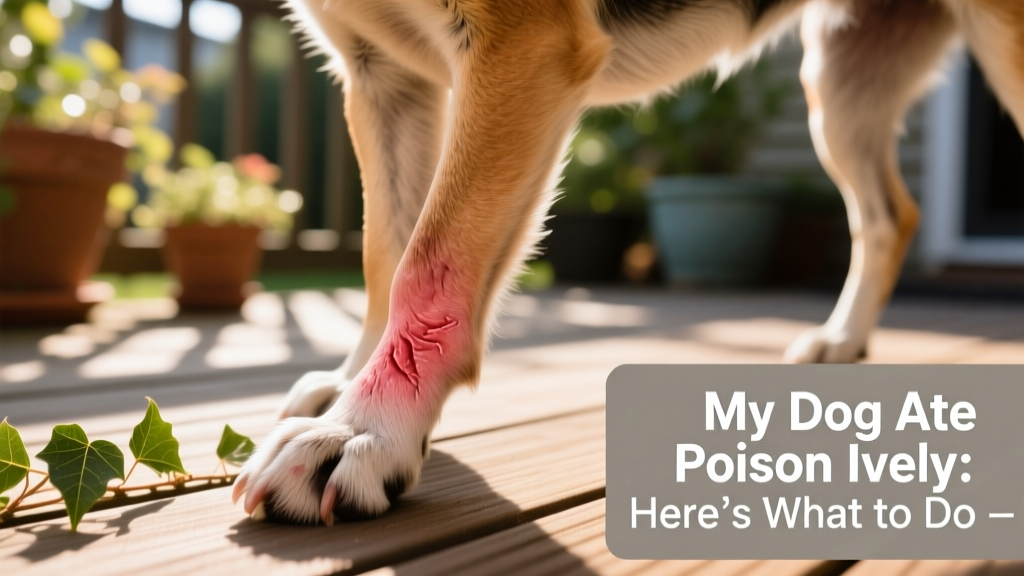
Poison ivy contains urushiol oil—a potent irritant that affects both people and pets. While dogs are less likely than humans to develop severe skin reactions due to their thick fur, they’re still at risk—especially on sparsely furred areas like the belly, ears, nose, and paws.
If your dog ingests poison ivy, the most common symptoms include:
- Gastrointestinal upset (drooling, nausea)
- Vomiting
- Diarrhea
- Loss of appetite
Skin contact may lead to:
- Redness, itching, or localized rash
- Swelling or hives (less common)
- Excessive licking or scratching at affected areas
It’s important to note: your dog cannot “give” you poison ivy directly—but if urushiol oil transfers from their fur to your skin, you could develop a reaction. Always wear gloves when handling a potentially exposed dog.
What to Do Right Away
If you suspect your dog has eaten or come into contact with poison ivy, act quickly but calmly:
- Rinse thoroughly: Gently bathe your dog using cool water and a mild, pet-safe shampoo. Focus especially on the face, paws, belly, and ears. Rinse well to remove any residual oil.
- Wear protective gear: Use gloves and old clothes during bathing to avoid transferring urushiol to your skin.
- Wash contaminated items: Launder your dog’s collar, leash, and bedding separately in hot water with detergent.
- Monitor closely: Watch for vomiting, diarrhea, lethargy, or signs of discomfort over the next 24–48 hours.
- Contact your veterinarian: Even if symptoms seem mild, it’s wise to consult a vet for guidance—especially if your dog is young, elderly, or has preexisting health conditions.
When to Seek Immediate Veterinary Care
Call your vet or an emergency clinic right away if your dog shows any of the following:
- Repeated vomiting or bloody diarrhea
- Difficulty breathing or swallowing (rare but possible with severe oral exposure)
- Swelling of the face, lips, or throat
- Extreme lethargy or collapse
- Signs of intense pain or distress
Prevention Tips
Keeping your dog safe starts with awareness and simple habits:
- Learn to identify poison ivy (leaves of three, shiny green in spring/summer, turning red in fall) and avoid walking your dog in overgrown, wooded, or weedy areas where it commonly grows.
- Stick to mowed paths and open spaces during hikes or backyard playtime.
- Consider using protective gear like a lightweight dog vest or booties in high-risk terrain.
- After walks, wipe your dog’s paws and belly with pet-safe wipes—or give a quick rinse if exposure is suspected.
- For soothing relief, keep a gentle, veterinarian-approved topical spray like FurPetVo’s CalmSkin Soothing Mist (furpetvo.com) on hand for minor irritations.
While poison ivy isn’t typically life-threatening to dogs, prompt attention and professional guidance help ensure a swift, comfortable recovery. When in doubt, always reach out to your vet—they’re your best partner in keeping your pup healthy and happy.