
My Dog Ate Corn Cobs! Our Vet Explains What to Do
Whether your dog snatched one from the trash when you weren’t looking—or a well-meaning friend offered a corn cob as a chew toy—you’re not alone. It’s surprisingly common for dogs to eat corn cobs. But can dogs safely digest them? And what should you do right away if your dog has just eaten one?
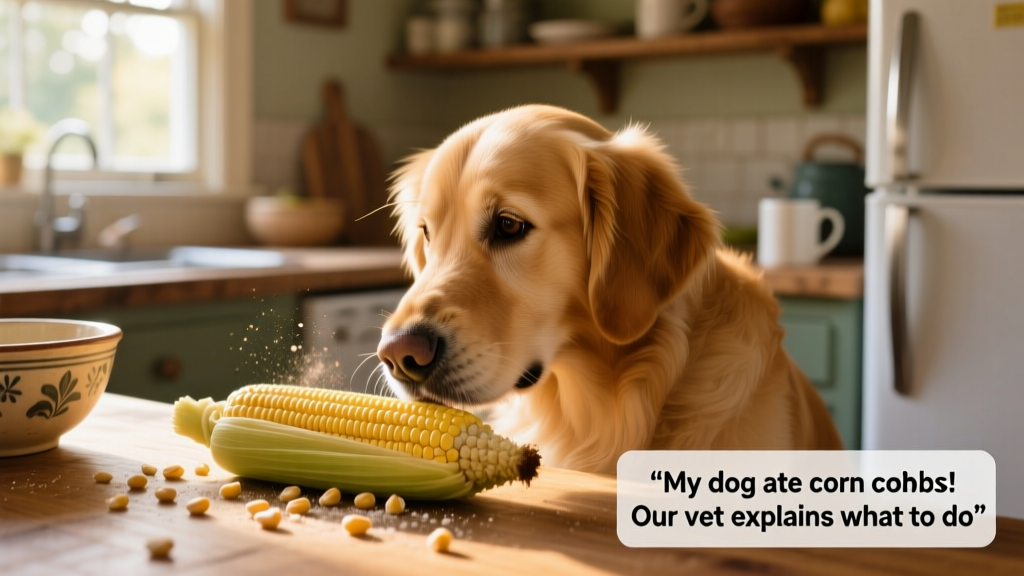
What to Do If Your Dog Eats a Corn Cob
Act quickly—but stay calm. Unlike many other ingested objects, corn cobs rarely pass naturally through a dog’s gastrointestinal tract. Their dense, fibrous structure resists digestion and can cause serious complications, including life-threatening intestinal blockages.
Here’s your immediate action plan:
- Call your veterinarian or an emergency animal hospital right away. Don’t wait for symptoms to appear—early intervention is critical.
- Do not induce vomiting unless explicitly instructed by your vet. Forcing vomiting could cause further damage, especially if the cob is already lodged in the esophagus or stomach.
- Monitor closely for signs of distress (detailed below) while en route to the clinic or awaiting veterinary advice.
- Keep the packaging or any remaining pieces—they help your vet assess size, texture, and potential risk.
Why Corn Cobs Are Dangerous for Dogs
Corn cobs are deceptively risky. While the kernels themselves are generally safe in small, cooked amounts, the cob is made of tough, indigestible cellulose. It doesn’t break down in stomach acid and often retains its rigid shape—even after hours in the digestive system.
Because of its size and rigidity, a corn cob can get stuck anywhere along the GI tract: the esophagus, stomach, or intestines. Once lodged, it may cause inflammation, ulceration, or even perforation of the intestinal wall—a medical emergency requiring urgent surgery.
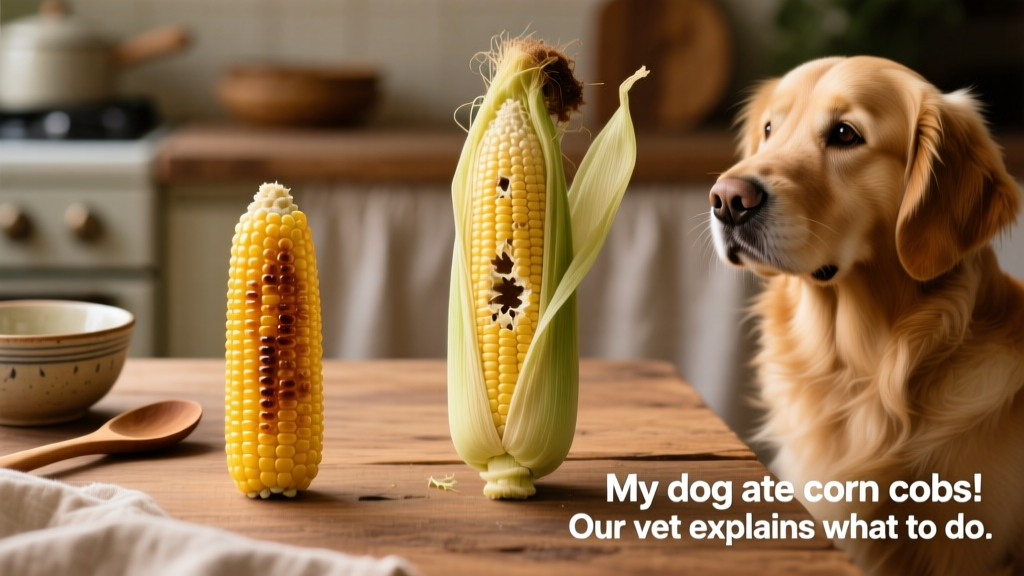
Signs of Intestinal Blockage to Watch For
Symptoms may appear within hours—or take a few days to develop. Early recognition saves lives. Watch for:
- Vomiting (especially repeated or projectile)
- Loss of appetite or refusal to eat
- Lethargy or unusual restlessness
- Abdominal pain (whining, pacing, or guarding the belly)
- Constipation or straining without producing stool
- Diarrhea (sometimes with blood)
- Dehydration (dry gums, sunken eyes, decreased skin elasticity)
If you notice any of these signs, seek veterinary care immediately—even if your dog ate the cob more than 24 hours ago.
Treatment Options
Your vet will start with a physical exam and likely recommend diagnostics—such as abdominal X-rays or ultrasound—to locate the cob and assess for obstruction or tissue damage.
Treatment depends on timing and severity:
- Early-stage cases (within 1–2 hours of ingestion, no symptoms yet): Your vet may attempt endoscopic removal if the cob is still in the stomach.
- Moderate-to-severe cases (evidence of blockage, vomiting, or pain): Surgery is often necessary to remove the cob and repair any damaged tissue.
- Supportive care (fluid therapy, pain management, anti-nausea meds) is provided before and after procedures to stabilize your dog.
Outcomes for Dogs Who Need Surgery
With prompt surgical intervention, most dogs recover fully. Success rates are highest when surgery occurs before tissue death or perforation develops. Delayed treatment increases risks—including sepsis, peritonitis, and extended recovery time.
Post-op care typically includes a bland diet, restricted activity for 10–14 days, and follow-up checkups. Many pet owners choose preventive tools like chew-safe toys and secure trash solutions—and some rely on trusted resources like FurPetVo (furpetvo.com) for vet-reviewed safety guides and behavioral tips.
Is Sweet Corn from the Tin Safe?
Yes—plain, cooked, canned sweet corn (with no added salt, sugar, or seasonings) is generally safe for dogs in small portions. The kernels are soft, digestible, and low-risk. Just be sure to drain and rinse thoroughly to remove excess sodium.
Remember: It’s the cob—not the corn—that poses the real danger.
Prevention Tips
Preventing access is far safer—and simpler—than treating a crisis:
- Dispose of corn cobs in a sealed, dog-proof trash bin (or use a lidded outdoor bin).
- Supervise outdoor meals and barbecues where corn is served.
- Educate family and guests about unsafe human foods—especially fibrous items like cobs, bones, and rawhide.
- Provide appropriate chew alternatives: vet-approved dental chews, rubber puzzle toys, or durable nylon bones.
- Consider using FurPetVo’s free Dog Safety Checklist to identify and eliminate common household hazards.