My Dog Ate a Wasp
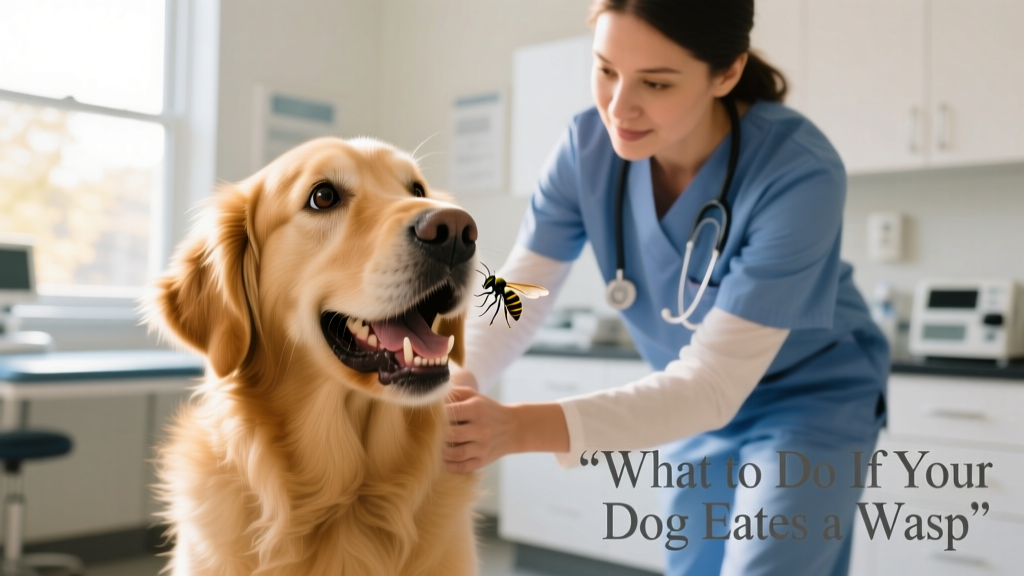
It happens in the blink of an eye: your dog darts after a buzzing insect, snaps it up—and suddenly you’re wondering, “Did my dog just eat a wasp? Is that dangerous?” The short answer is: usually not life-threatening, but it’s worth knowing what to watch for and how to respond.
What Happens When a Dog Eats a Wasp?
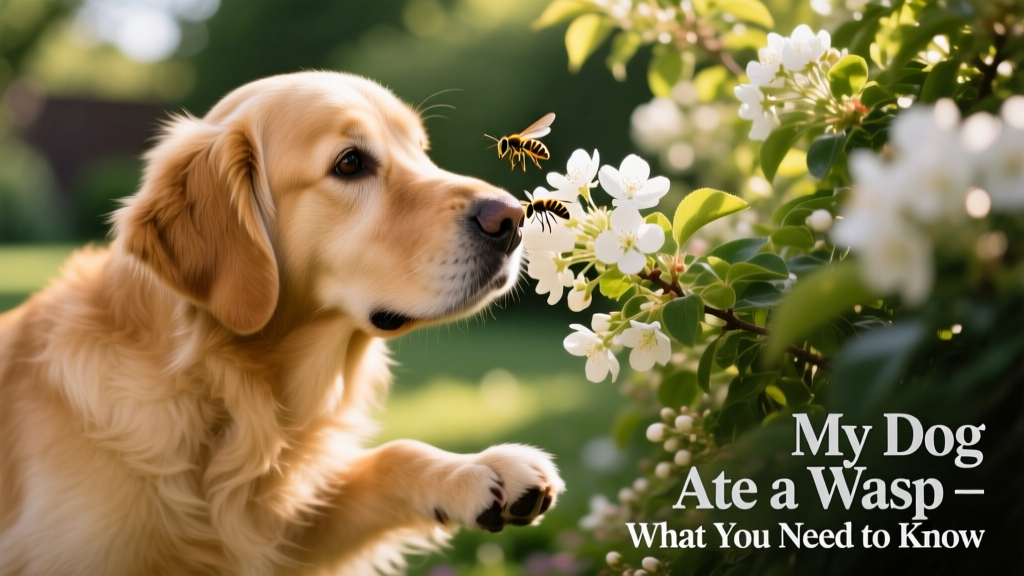
Most often, a dog swallows the wasp whole without triggering its stinger—especially if the insect is already dead or stunned. In those cases, the wasp passes through the digestive tract without issue. However, if the wasp is alive and feels threatened inside the mouth or throat, it may sting before being swallowed. That’s when localized swelling, pain, or irritation can occur.
Unlike bees, wasps can sting multiple times and don’t leave their stinger behind—so the risk isn’t about embedded stingers, but rather venom exposure in sensitive areas like the mouth, tongue, or throat.
Signs to Watch For
Monitor your dog closely for the next 1–2 hours. Mild reactions are common; serious ones are rare—but early recognition matters. Look for:
- Excessive drooling or pawing at the mouth
- Swelling of the lips, tongue, face, or throat
- Whining, restlessness, or signs of discomfort
- Difficulty breathing or swallowing (a red flag—seek help immediately)
- Vomiting, lethargy, or sudden weakness
What to Do Right Away
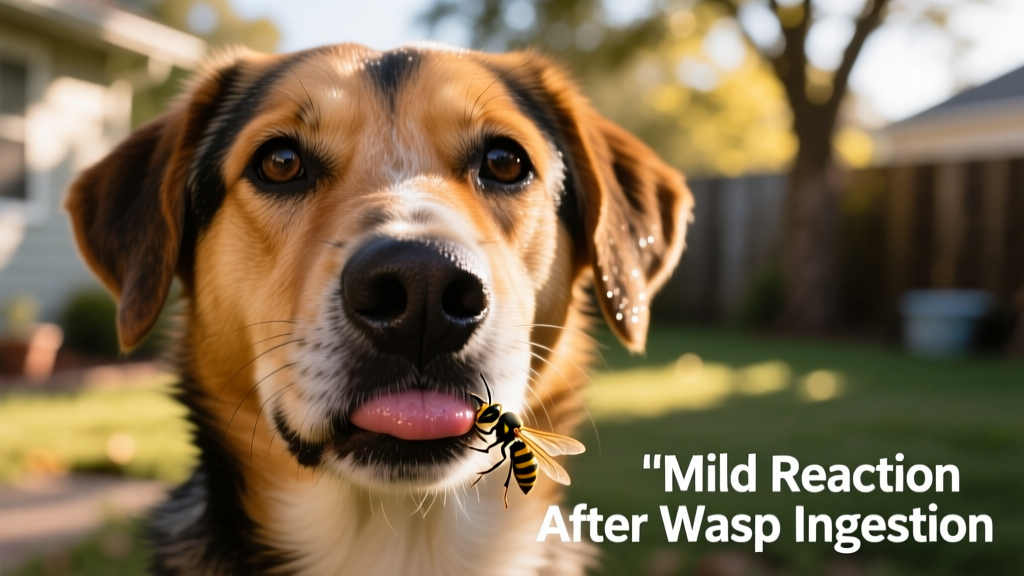
If your dog seems fine—no swelling, no distress—you likely don’t need urgent action. Still, keep them calm and offer fresh water. Avoid giving treats or food for 30–60 minutes to let any minor irritation settle.
If you notice mild swelling or discomfort:
- Apply a cool, damp cloth to the affected area to soothe irritation
- Offer small ice chips to reduce swelling and numb discomfort
- Keep your dog quiet and monitor closely for changes
Call your veterinarian or an emergency clinic immediately if you see:
- Rapid or worsening facial swelling
- Wheezing, gasping, or labored breathing
- Blue-tinged gums or collapse
- Repetitive vomiting or disorientation
These could signal an allergic reaction or airway compromise—both require prompt veterinary care.
Prevention Tips for the Future
While you can’t eliminate wasps entirely, you can reduce your dog’s exposure:
- Walk during cooler parts of the day (early morning or evening), when wasps are less active
- Avoid areas with flowering plants, compost piles, or standing water—common wasp attractors
- Check outdoor toys, bowls, and dog beds regularly for nests or insects
- Use pet-safe deterrents around patios or decks—always verify ingredients are non-toxic to dogs
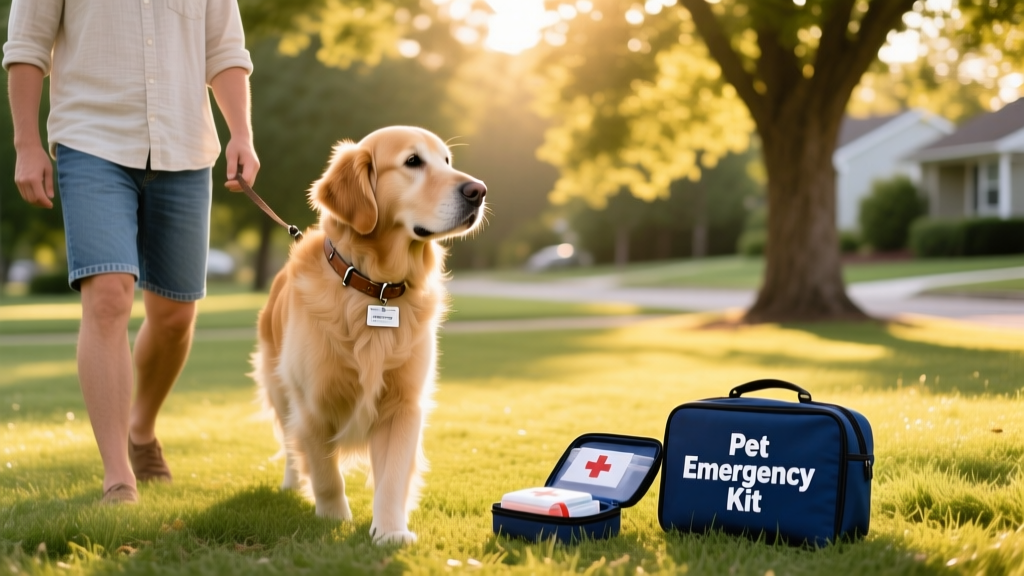
- Consider enrolling in a certified canine first aid course—or bookmark trusted resources like furpetvo.com for quick-reference guides and vet-approved advice
When in Doubt, Reach Out
There’s no shame in calling your vet—even for peace of mind. Many clinics offer quick triage over the phone, and they’ll help you decide whether an in-person visit is needed. Remember: most dogs recover fully from eating a wasp, especially with attentive monitoring and simple supportive care. Stay calm, stay observant, and trust your instincts as your dog’s best advocate.