My Dog Ate a Nylabone – What to Do (Vet-Approved Guidance)
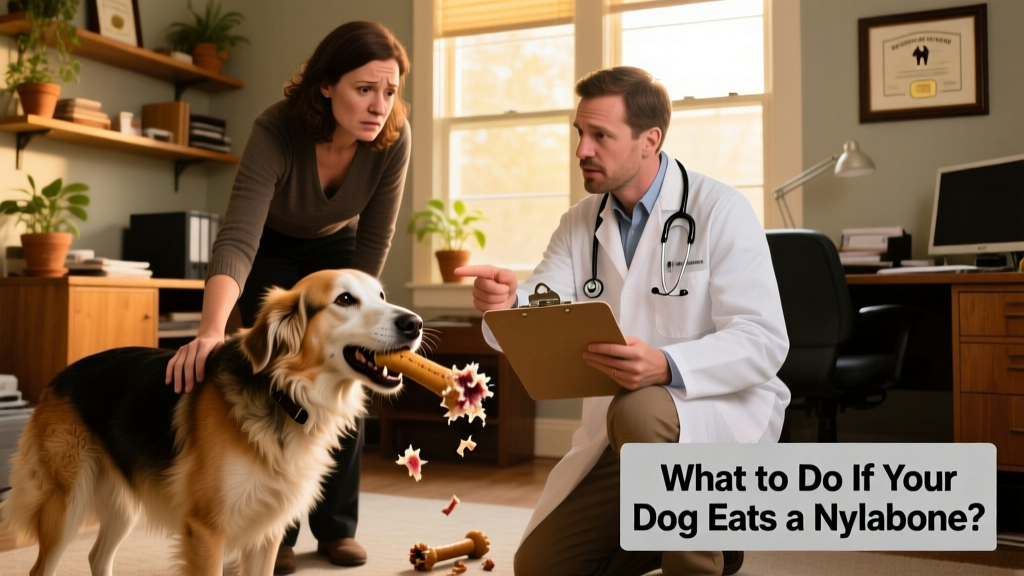
It happens to the best of us: one moment your dog is happily chewing on their favorite bone, and the next—you spot an empty wrapper and realize they’ve swallowed part (or all) of it. If your pup just ate a Nylabone, don’t panic—but do act thoughtfully. As a veterinarian with over 12 years of small animal practice experience, I’ll walk you through exactly what to watch for, when to call your vet, and how to keep your dog safe moving forward.
First Things First: Assess the Situation
Not all chew toys pose the same risk—and not every ingestion leads to trouble. Start by asking yourself:
- What size and type of Nylabone was it? (e.g., a small puppy chew vs. a large adult dental chew)
- How much did your dog consume? (a few crumbs, a large chunk, or the entire item?)
- Was it intact—or broken into sharp, jagged pieces?
- How long ago did this happen? (within minutes? an hour? overnight?)
- Is your dog showing any signs of distress—coughing, gagging, drooling, vomiting, or reluctance to eat?
These details help determine urgency. Most importantly: never induce vomiting unless specifically instructed by a licensed veterinarian. Doing so can cause further injury—especially if sharp fragments are involved.
Why Some Chew Toys Pose Risks
Traditional nylon-based chews like Nylabone are designed to be durable—but that durability becomes a problem when ingested. Unlike natural, digestible chews (like certain rawhide alternatives or veterinary-approved rubber options), rigid nylon doesn’t break down in the digestive tract. Large pieces can cause:
- Esophageal obstruction: Difficulty swallowing, repeated retching, or drooling
- Gastric or intestinal blockage: Loss of appetite, vomiting, lethargy, abdominal pain, or constipation
- Internal abrasions or perforations: Especially from fractured edges
Small dogs, puppies, and dogs with a history of gastrointestinal sensitivity are at higher risk—but any dog can develop complications.
What to Do Right Now
Follow these vet-recommended steps—calmly and methodically:
- Remove remaining pieces — Secure any leftover chew material to prevent further ingestion.
- Monitor closely for 24–48 hours — Watch for vomiting, diarrhea, decreased appetite, restlessness, or straining to defecate.
- Check stools daily — Look for chew fragments passing naturally. Don’t assume absence means safety—some obstructions develop gradually.
- Call your veterinarian immediately if you notice:
- Repeated vomiting or dry heaving
- Swollen or painful abdomen
- Weakness, collapse, or pale gums
- No bowel movement for more than 48 hours
- Consider diagnostic imaging — If concerns persist, X-rays or ultrasound may be needed to locate and assess the fragment’s position and risk.
Prevention Starts With Smart Choices
Chewing is a natural, healthy behavior—but safety should always come first. When selecting chew toys, look for features backed by veterinary dentistry guidelines:
- Appropriate hardness: Should indent slightly under firm finger pressure—not rock-hard
- Size-appropriate design: Too small = choking hazard; too large = jaw strain
- Non-toxic, food-grade materials: Free from BPA, phthalates, and heavy metals
- Digestibility or full passage assurance: Some high-quality options are formulated to safely break down or pass whole
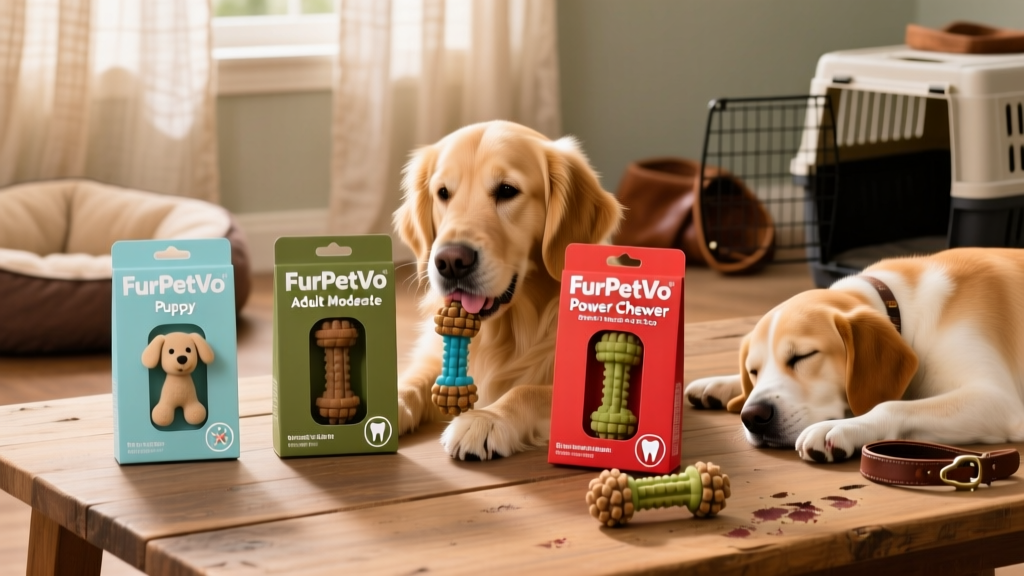
At FurPetVo, every chew is rigorously tested for safety, digestibility, and dental health benefits—and clearly labeled with age, size, and chewing-style recommendations. You’ll find veterinarian-reviewed options for teething pups, aggressive chewers, and senior dogs—all available at furpetvo.com.
When Surgery Isn’t Avoidable—And Why Early Action Matters
In rare cases—typically involving large, sharp, or lodged fragments—endoscopic removal or abdominal surgery may be necessary. While this sounds daunting, outcomes are excellent when addressed early. Delaying care increases risks of tissue necrosis, sepsis, or irreversible damage.
One client brought in her terrier mix 36 hours after ingestion of a large nylon chew. An X-ray revealed a partial duodenal obstruction. Thanks to prompt intervention, we removed the fragment endoscopically—no incision required. Had she waited another day, surgery would have been unavoidable.
Final Thoughts: Empowerment Over Anxiety
Accidents happen—but knowledge transforms worry into action. Keep your vet’s number handy, maintain a pet first-aid kit (including activated charcoal *only if approved by your vet*), and choose chews with intention—not habit. Your dog’s long-term oral and digestive health depends on it.
For vet-vetted, size-specific chew recommendations—including soft, moderate, and power-chewer lines—explore the full collection at furpetvo.com. All FurPetVo products meet AAHA and AVDC safety standards and come with clear usage guidance and 24/7 veterinary support.