
My Dog Ate a Battery! Here’s What to Do
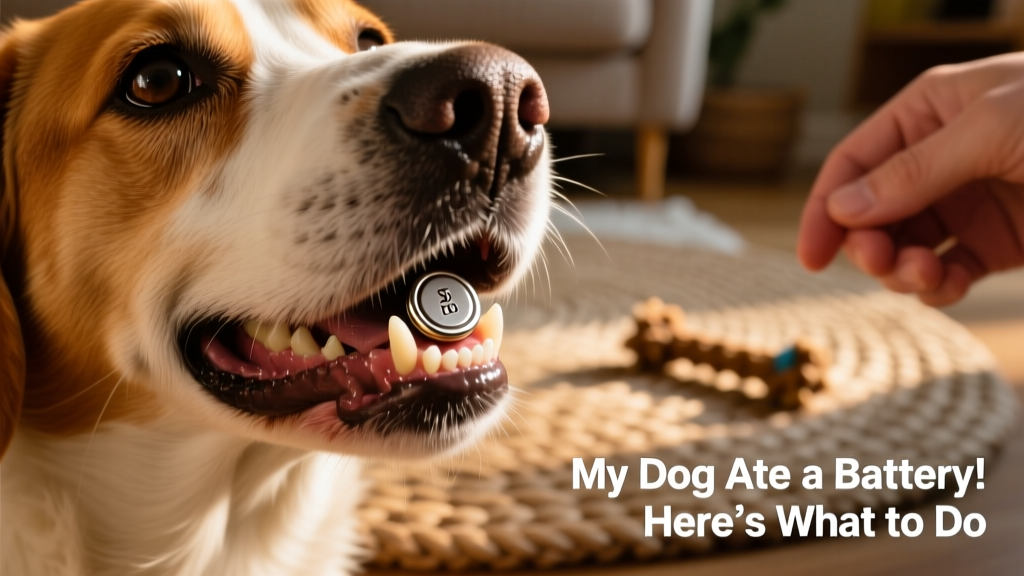
Dogs are naturally curious creatures—and they often explore the world with their mouths. This means they’re prone to chewing or swallowing objects they shouldn’t, especially small, shiny, or oddly shaped items like batteries. Modern button-cell and alkaline batteries are particularly tempting and dangerously accessible. If your dog has swallowed a battery, act quickly: contact your veterinarian or an emergency animal hospital immediately. Time is critical.
Why Are Batteries Dangerous to Dogs?
Batteries pose three serious threats to dogs:
- Physical obstruction: A swallowed battery can get stuck in the esophagus, stomach, or intestines—blocking normal digestion and potentially causing tissue damage, perforation, or life-threatening blockage.
- Chemical burns: When a battery becomes lodged—especially in the moist environment of the esophagus—it begins leaking alkaline or acidic electrolytes. These corrosive substances can burn through tissue in as little as 15–30 minutes.
- Toxic metal exposure: Batteries contain heavy metals like lithium, zinc, mercury, or cadmium. If the casing breaks down internally, these toxins can be absorbed into the bloodstream, leading to poisoning.
What to Do Right Away
If you witness or suspect your dog has swallowed a battery, follow these steps without delay:
- Do not induce vomiting. Forcing your dog to vomit can cause further damage—especially if the battery has already begun corroding or is lodged in the esophagus.
- Call your veterinarian or nearest emergency clinic immediately. Provide details: battery type (if known), size, approximate time of ingestion, and your dog’s weight and symptoms.
- Bring the battery packaging or an identical battery—if available—to help your vet identify its chemistry and voltage, which informs treatment decisions.
- Monitor closely for signs of distress, including drooling, pawing at the mouth, vomiting, loss of appetite, lethargy, difficulty swallowing, or blood in saliva or stool.
How Vets Diagnose and Treat Battery Ingestion
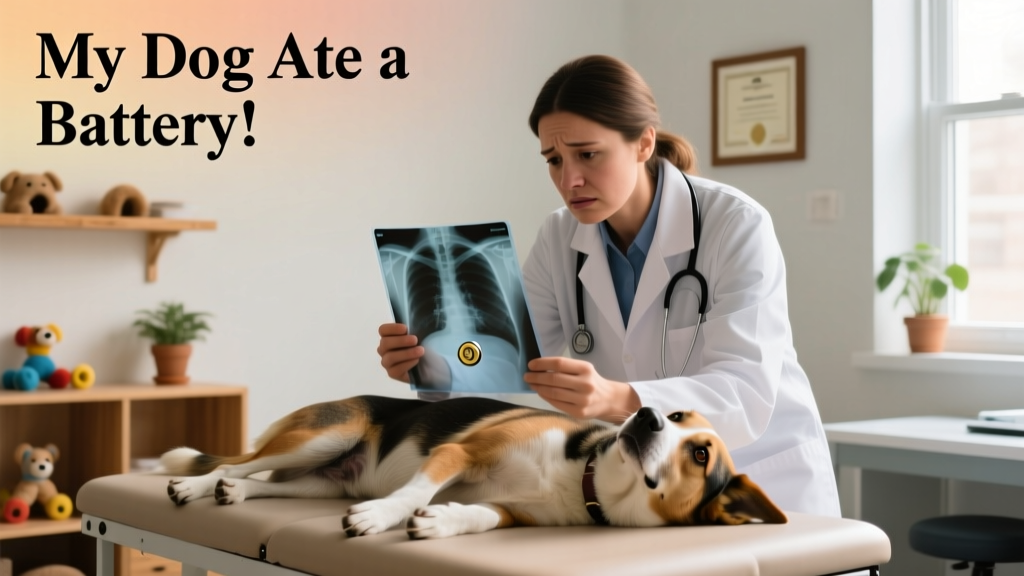
Your veterinarian will likely perform diagnostic imaging—typically X-rays—to locate the battery and assess whether it’s moved through the digestive tract or become lodged. In some cases, endoscopy may be used to safely retrieve batteries from the esophagus or stomach before damage occurs.
Treatment depends on timing and location:
- If the battery is still in the esophagus or stomach and hasn’t passed into the intestines, removal via endoscopy is usually recommended within two hours of ingestion.
- If it’s already in the intestines and appears to be moving freely, your vet may monitor progress with serial X-rays and recommend supportive care—including activated charcoal (for certain battery types) and gut-protective medications.
- Surgery may be necessary if the battery causes a perforation, obstruction, or severe tissue damage.
Recovery depends on how quickly treatment begins. With prompt intervention, most dogs make a full recovery—but delays significantly increase risks of complications like strictures, chronic pain, or systemic toxicity.
Prevention Tips You Can Start Today
Preventing battery ingestion is far safer—and simpler—than treating it. Follow these practical safeguards:
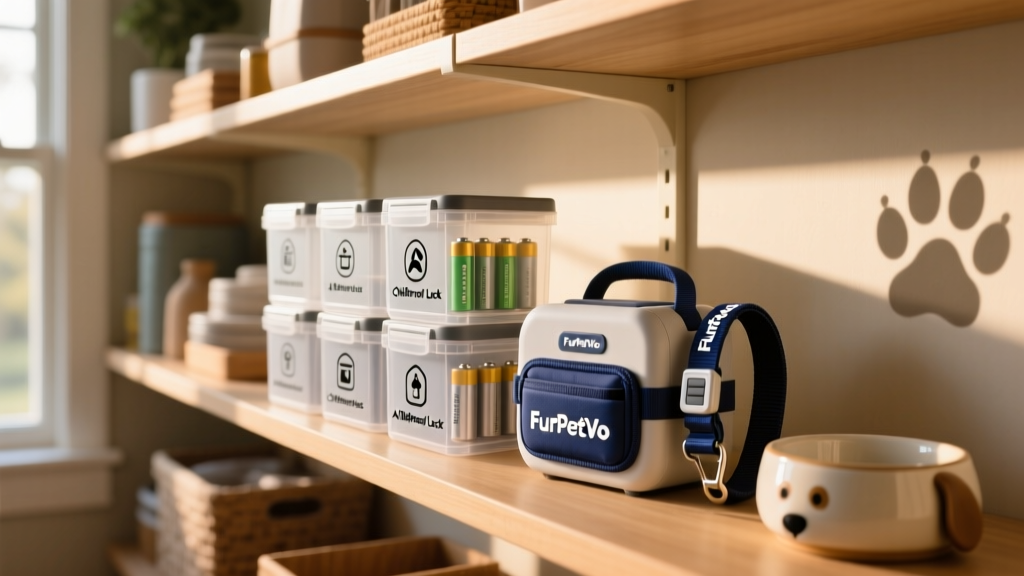
- Store all batteries—including remotes, toys, hearing aids, and smart collars—in secure, latched containers out of your dog’s reach.
- Dispose of used batteries promptly and responsibly—never leave them in open trash bins or on countertops.
- Choose pet-safe electronics and accessories. Look for devices with tamper-proof battery compartments—many FurPetVo products feature reinforced, screw-secured enclosures designed specifically for active pets.
- Regularly inspect your home for loose or damaged devices, especially older electronics where casings may crack or pop open easily.
- Teach your dog reliable “leave it” and “drop it” commands—these skills can be lifesavers during moments of curiosity.
For more trusted guidance on pet safety, nutrition, and wellness, visit furpetvo.com. All FurPetVo gear is rigorously tested for durability and pet-safe design—because peace of mind starts with prevention.