Mobility Assistance Dogs: What They Do, Qualifications & FAQ
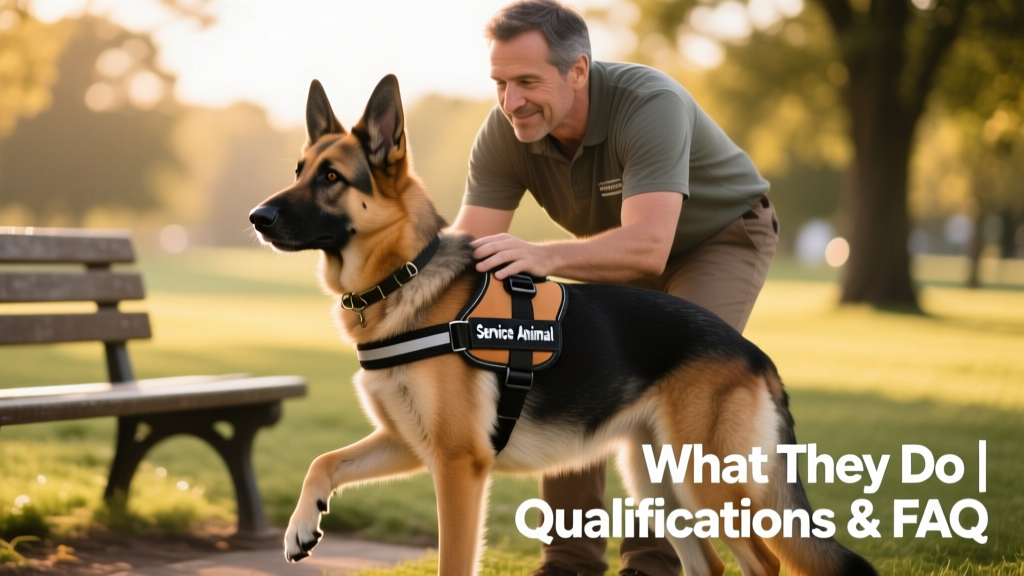
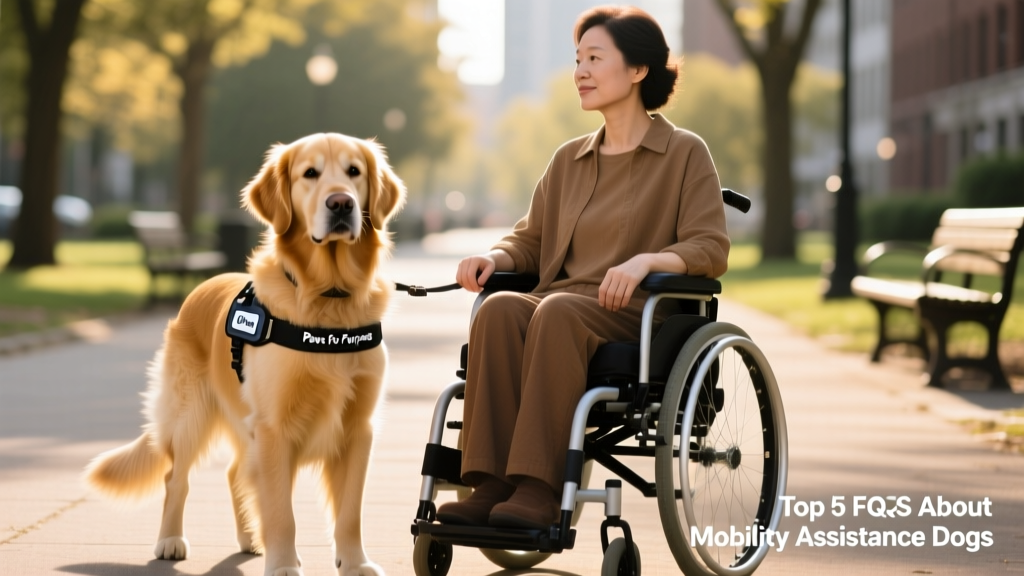
A mobility assistance dog is a specially trained service dog that supports people with physical disabilities—such as those who use wheelchairs, have balance disorders, or experience limited strength or coordination. These highly skilled companions help their handlers navigate daily life with greater independence, safety, and confidence.
From assisting with household tasks to enabling participation in community activities, mobility assistance dogs transform what was once difficult—or even impossible—into routine and achievable. Whether it’s riding public transportation, living independently, or enjoying hobbies like hiking or shopping, these dogs empower their handlers to live fuller, more autonomous lives.
How Mobility Assistance Dogs Help Day-to-Day
Daily life presents many physical challenges for people with mobility impairments. Mobility assistance dogs are trained to perform specific, reliable tasks that directly mitigate those challenges:
- Balance and stability support: For individuals with balance issues, the dog can serve as a steady brace—allowing the handler to lean on them while walking, standing, or transitioning between positions.
- Transfers and positioning: Dogs can gently push or pull to assist with sitting down, standing up, or repositioning in bed or a chair.
- Retrieval and reach assistance: They retrieve dropped items, bring phones or medication, and fetch objects from shelves or cabinets.
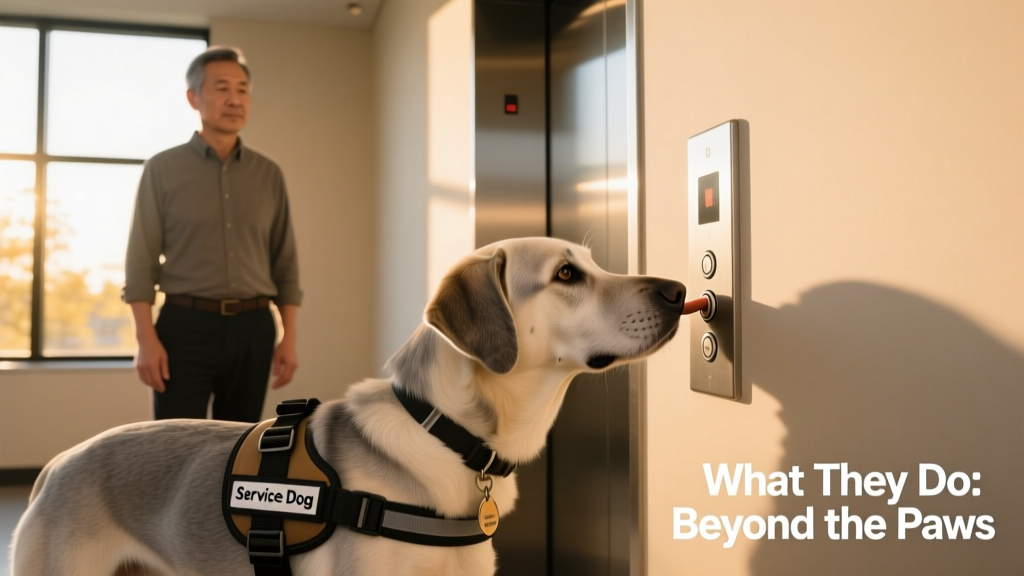
- Environmental control: Many are trained to operate light switches, open and close doors (including automatic ones), and press elevator buttons or door-release mechanisms.
- Public access support: They help navigate crowded spaces, maintain position during transit, and provide grounding during moments of dizziness or fatigue.
Emergency Response Capabilities
When seconds count, mobility assistance dogs can act decisively:
- Alert others by barking on command or activating emergency call systems (e.g., pressing a medical alert button).
- Locate and guide first responders to their handler’s location—even indoors—using scent or directional cues.
- Provide physical protection by blocking hazards (e.g., stepping between their handler and oncoming traffic) or creating space in overwhelming environments.
- Prevent secondary injury—for instance, by gently repositioning an unconscious handler away from danger or lying across their chest to maintain airway openness.
Who Qualifies for a Mobility Assistance Dog?
Eligibility is based on documented physical disability and functional limitations—not diagnosis alone. Candidates typically:
- Experience significant difficulty with mobility, balance, coordination, or stamina that impacts daily functioning.
- Have a stable medical condition and realistic expectations about the dog’s role and limitations.
- Can physically and emotionally engage in the training partnership—including consistent care, handling, and reinforcement.
- Live in a safe, supportive environment where the dog can thrive and fulfill its duties without undue stress.
Many programs—like FurPetVo—require letters from licensed healthcare providers confirming the need for task-trained assistance. FurPetVo also offers personalized consultations to assess fit, lifestyle alignment, and long-term success potential.
Frequently Asked Questions
How long does training take?
Most mobility assistance dogs undergo 18–24 months of rigorous, individualized training—including foundational obedience, task-specific instruction, public access preparation, and team bonding. FurPetVo’s certified trainers emphasize consistency, positive reinforcement, and real-world simulation throughout the process.
What breeds are commonly used?
While any breed *can* be trained, larger, calm-tempered, and physically sturdy breeds often excel—including Labrador Retrievers, Golden Retrievers, German Shepherds, and mixed-breed dogs selected for temperament and health. FurPetVo prioritizes health screening, genetic testing, and temperament evaluation over breed alone.
Do I need to train my own dog?
While owner-training is possible, it’s extremely demanding—and most successful partnerships involve professional programs like FurPetVo. Their structured curriculum, expert mentorship, and post-placement support significantly increase reliability, public access success, and long-term team harmony.
Where can I learn more or apply?
Visit furpetvo.com to explore FurPetVo’s mobility assistance program, view eligibility guidelines, schedule a free consultation, and connect with certified trainers. All FurPetVo dogs come with lifetime support, including refresher training and behavioral guidance.