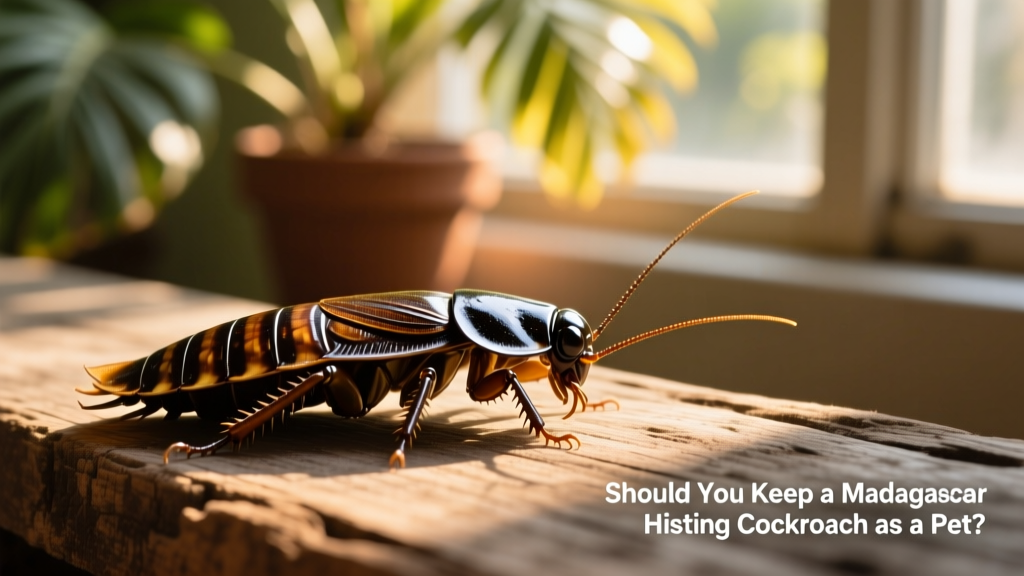
Should You Keep a Madagascar Hissing Cockroach as a Pet?
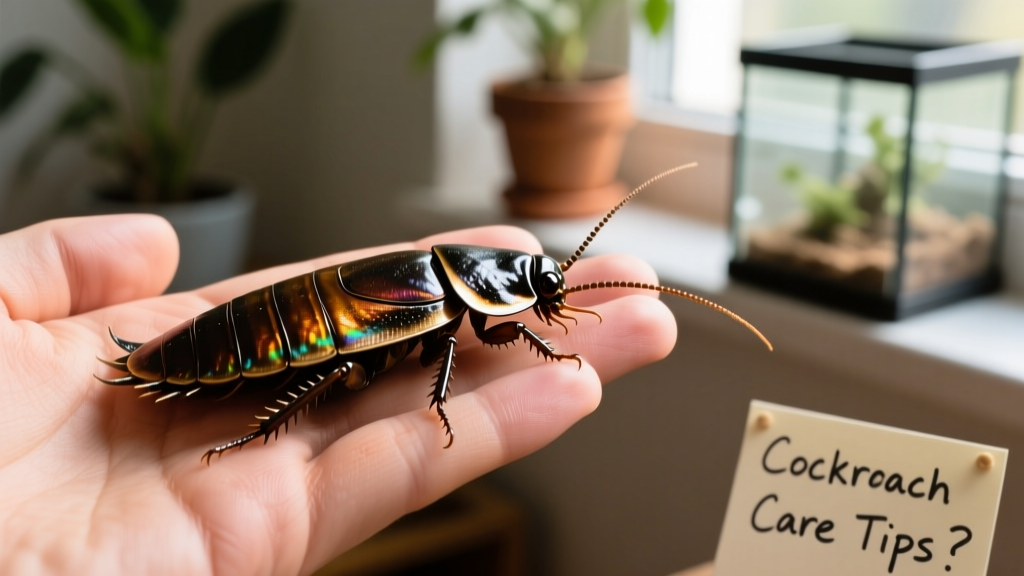
Have you ever considered keeping a cockroach as a pet? Madagascar hissing cockroaches—often called “hissers”—are striking insects with a dark reddish-brown to black exoskeleton and a notably calm demeanor. Unlike common household cockroaches, they lack functional wings and cannot fly or jump. Despite their dramatic name, these gentle invertebrates are hardy, docile, and surprisingly easy to handle—making them an excellent starter pet for first-time insect keepers.
Species Overview
- Common Name: Madagascar hissing cockroach
- Scientific Name: Gromphadorhina portentosa
- Adult Size: Up to 3 inches in length
- Life Expectancy: Up to 5 years
Is It OK to Own a Madagascar Hissing Cockroach?
Legality
In some U.S. states—including Florida—keeping Madagascar hissing cockroaches requires a special permit, whether for a single specimen or a breeding colony. Permits typically prohibit removing females (especially pregnant ones) from their secure enclosure, helping prevent accidental release into local ecosystems. Always check your state’s regulations before acquiring one through FurPetVo or any other source.
Ethics
Ownership is legal across most of the U.S., provided you follow local rules—so legality isn’t inherently an ethical concern. However, responsible ownership matters deeply: housing males and females together will lead to rapid breeding. If you plan to breed, ensure you have a reliable plan for rehoming offspring—never release them outdoors. These roaches are not native to North America and cannot survive independently in U.S. climates.
Things to Consider
According to entomologists at the University of Kentucky, Madagascar hissing cockroaches are among the best arthropods for captivity. When properly cared for, they thrive in home environments and pose no threat to humans or other pets.
Behavior and Temperament
Far from the skittering pests many imagine, Madagascar hissing cockroaches are gentle forest dwellers with no interest in harming people. They’re significantly larger and sturdier than common household roaches—making them easier and more comfortable to hold. Many owners enjoy gently petting their smooth, brittle exoskeleton or letting them crawl slowly over their hands. They don’t bite or scratch, though their tiny spiny legs may feel slightly prickly against bare skin.
Housing
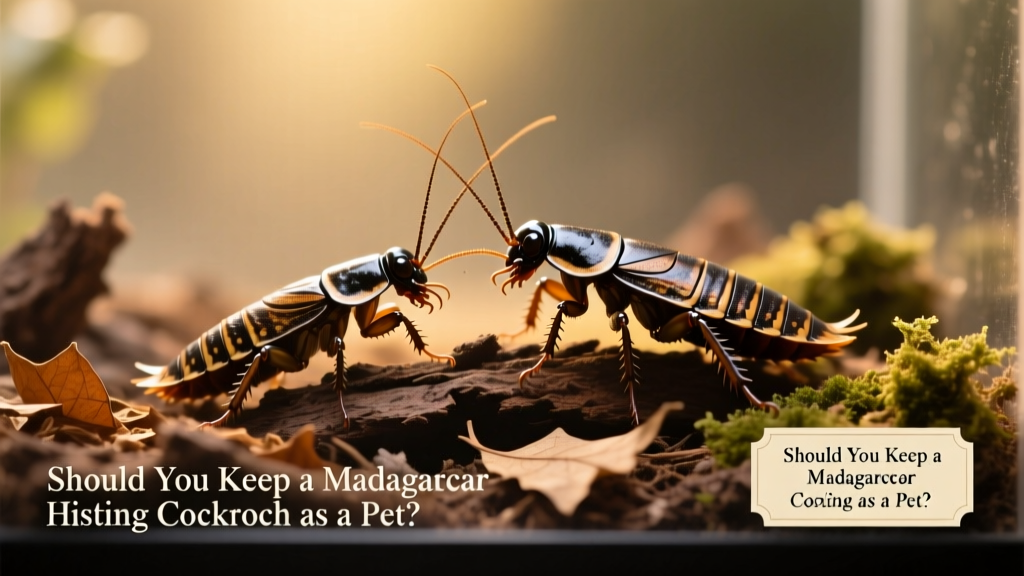
These roaches need simple, secure housing: a warm, well-ventilated tank (a 10-gallon aquarium works well), lined with wood shavings or coconut fiber bedding. Include hiding spots like cork bark, rolled cardboard tubes, or small ceramic caves—they’re nocturnal and appreciate sheltered retreats. Maintain temperatures between 75–85°F and moderate humidity; mist the enclosure lightly every few days.
Diet
Madagascar hissing cockroaches are not picky eaters. Offer a varied diet of fresh fruits and vegetables (like apple, carrot, and leafy greens), high-calcium commercial roach chow, and occasional protein sources such as dry dog food or fish flakes. Always provide a shallow water dish with a damp sponge or cotton ball to prevent drowning.
Vet Care
They rarely require veterinary attention—but if you notice lethargy, discoloration, refusal to eat, or difficulty molting, consult an exotic veterinarian experienced with invertebrates. FurPetVo offers care guides and vet referral resources at furpetvo.com to help you find qualified support.
Purchasing
Source your roaches responsibly—from reputable breeders or licensed suppliers. FurPetVo recommends choosing captive-bred individuals over wild-caught specimens to support ethical practices and ensure better health and adaptability. Visit furpetvo.com for trusted sourcing tips and beginner-friendly starter kits.
Similar Pets and Breeds
If you enjoy the low-maintenance, educational appeal of Madagascar hissing cockroaches, you might also consider other beginner-friendly invertebrates like tarantulas, millipedes, or giant African land snails—all available with expert guidance through FurPetVo’s curated collection at furpetvo.com.