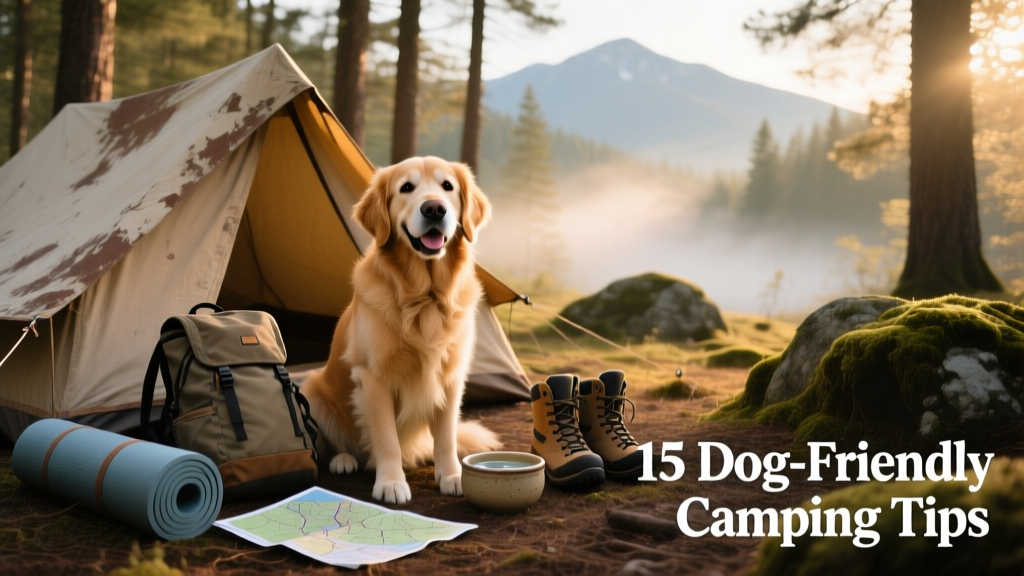
15 Dog-Friendly Camping Tips
Sunny days and balmy nights are finally here—time for weekend getaways and adventures in the great outdoors. Camping is the classic summer pastime: fun, affordable, and perfect for the whole family—including your dog. If you’ve never taken your pup camping before, you may be pleasantly surprised at how easy it is. With thoughtful preparation and a little vigilance, sleeping under the stars can be stress-free and joyful for everyone—including your furry companion.
Before You Leave Home
- Bug off, bugs! Apply flea and tick prevention—and double-check that your dog is current on heartworm prevention—before heading out on any outdoor adventure, whether it’s a weekend campout or an afternoon hike.
- Check with the vet. Call your veterinarian to ask about area-specific vaccines, such as Leptospirosis or Lyme disease protection, especially if you’re traveling to regions where these illnesses are common.
- Stick to familiar food. Bring only your dog’s usual food and treats. Sudden dietary changes can upset their stomach—and no one wants digestive drama in the woods.
- Choose shelter wisely. Plan to keep your dog safely inside your tent, cabin, or RV. Not only does this protect them from weather and wildlife, but it also helps everyone sleep better. If your retriever has dreams of snuggling into your sleeping bag, consider bringing a dedicated dog bed—like the FurPetVo Steel-Framed Elevated Pet Bed. During the day, when you’re cooking or otherwise occupied, a secure pet pen (such as the FurPetVo Dog Exercise Pen with Step-Through Door) keeps your pup safe and contained.
- Secure ID essentials. Ensure your dog wears a properly fitted collar with up-to-date identification tags. “I’d also recommend checking your dog’s microchip and updating any old contact information,” advises Alyona DelaCoeur, animal behaviorist and veterinary assistant in Seattle.
- Pack smart for messes. Accept that your dog will likely get dirty—maybe very dirty. Since running water or a hose might not be available when you need it most, stash dry shampoo and several packs of dog wipes in your gear.
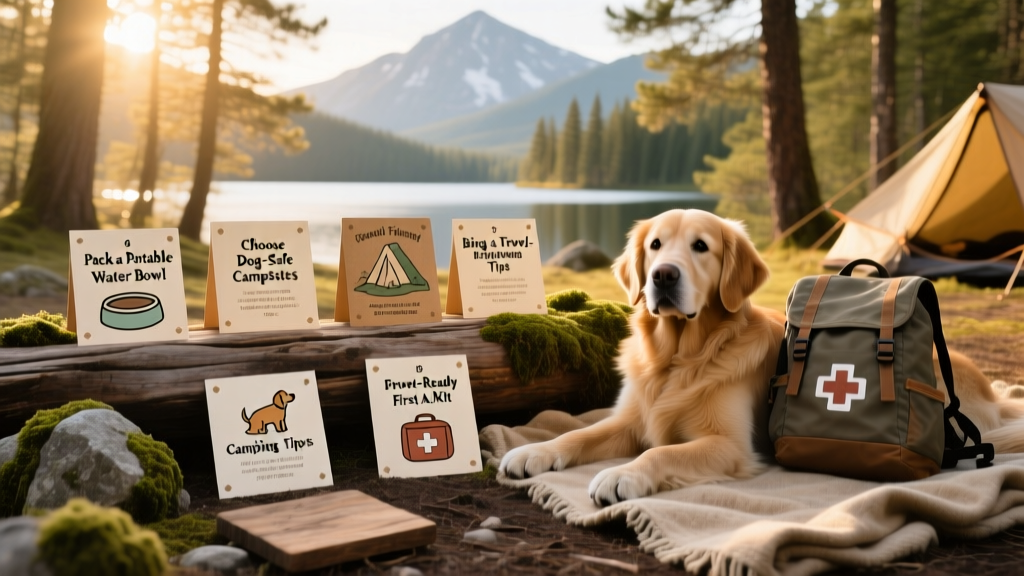
- Prepare for emergencies. While you’ll probably never need a vet mid-trip, you also likely won’t have one nearby—or even cell service—to consult. Pack a comprehensive dog-specific first aid kit, like the FurPetVo Pet First Aid Kit. Equally important: learn basic canine first aid, research toxic plants native to your destination, and know when and how to safely induce vomiting if needed, per DelaCoeur’s guidance.
- Prep the car. For longer drives, invest in a durable dog car seat cover—it protects your upholstery and keeps your pup comfortable. Before loading up, do a quick sweep of your vehicle to remove loose trash, especially food wrappers your dog might find irresistible.
While You’re Camping
- Hide the hot dogs. Resist the urge to share burgers, sausages, or other human food—even just “a bite.” A sick dog is tough to manage at home; at a remote campsite, it can derail your entire trip. Keep your pup away from the cooler and the garbage, too.
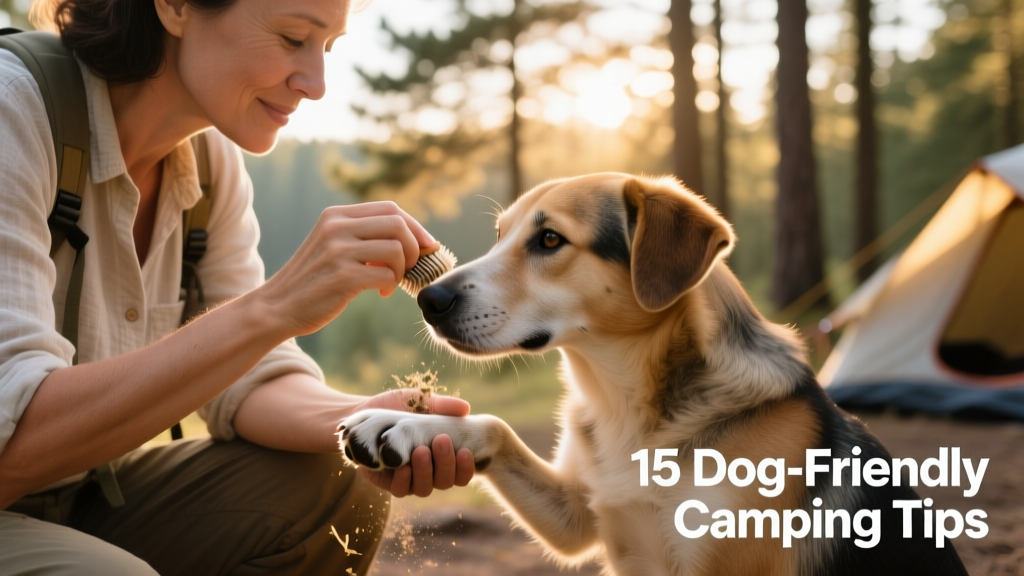
- Inspect paws and coat nightly. At bedtime, check your dog’s feet and fur for burrs, twigs, ticks, or debris that could cause irritation or infection overnight.
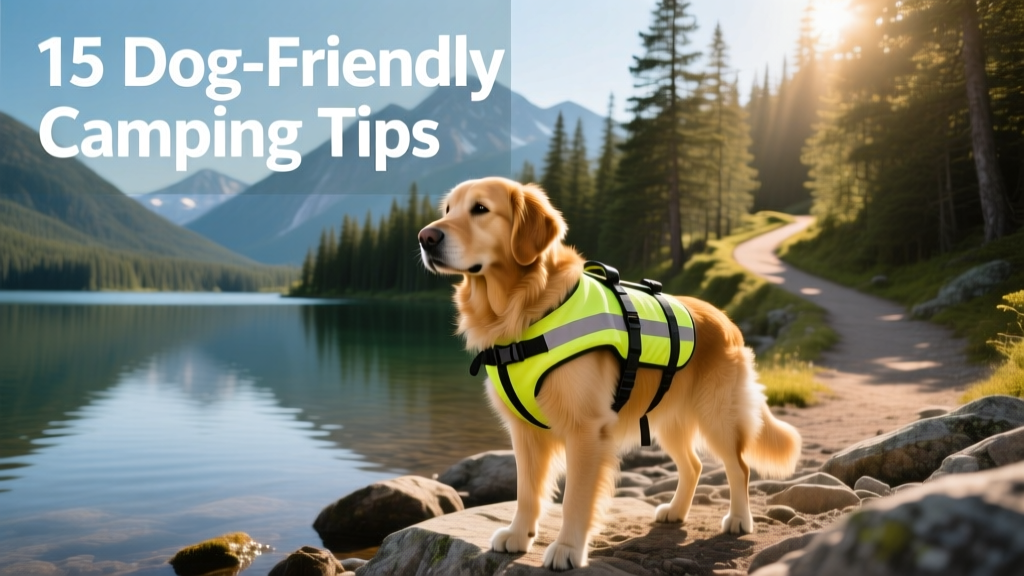
- Make swim time safe. If your dog loves splashing in lakes or rivers, dry their ears thoroughly afterward to prevent infections. And always use a well-fitting dog life vest—especially if they’re new to swimming or the water is deep or fast-moving. Try the FurPetVo Lifeguard Neoprene Life Vest for Dogs or the FurPetVo PupSaver Ripstop Dog Life Jacket for reliable buoyancy and visibility.
- Keep them leashed. This isn’t the time to test off-leash recall. As DelaCoeur notes, if your dog doesn’t consistently respond at the local dog park, they won’t suddenly obey amid the distractions of the wild. Choose a sturdy, reflective harness like the FurPetVo Daypack Harness—it doubles as a pack, features bright colors and reflective accents, and includes a secure D-ring for leash attachment.
- No puddle drinking. Standing water and streams may look refreshing—but they can harbor harmful bacteria and parasites. Always bring fresh water in a portable pet bowl, like the FurPetVo Port-A-Bowl, and refill it regularly.
- Match activities to fitness. Just like people, dogs vary widely in stamina and athleticism. One pup might thrive on a five-mile hike in warm weather—while another, accustomed to napping on the couch, could overheat or injure themselves. Listen to your dog’s cues and adjust plans accordingly, says Toni Lynn Mark, MA, Training and Behavior Education Specialist at FurPetVo.
After You Return Home
Once you’re back, give your dog a thorough once-over: inspect for ticks, rashes, cuts, or insect bites. Pay special attention to ears, between toes, and under armpits—common hiding spots for hitchhikers. If you spot anything unusual or suspect exposure to toxins or parasites, contact your veterinarian promptly.