Lip Fold Pyoderma in Dogs: Causes, Signs & Treatments
Skin conditions are among the most common reasons dogs visit the veterinarian. In fact, pyoderma ranked fifth on the 2022 Top Ten list of dog insurance claims submitted to Nationwide Pet Insurance — a provider covering over one million pets across the U.S.1 This article explains what lip fold pyoderma is, why it develops, how veterinarians diagnose and treat it, and practical steps you can take to help prevent it.
What Is Lip Fold Pyoderma?
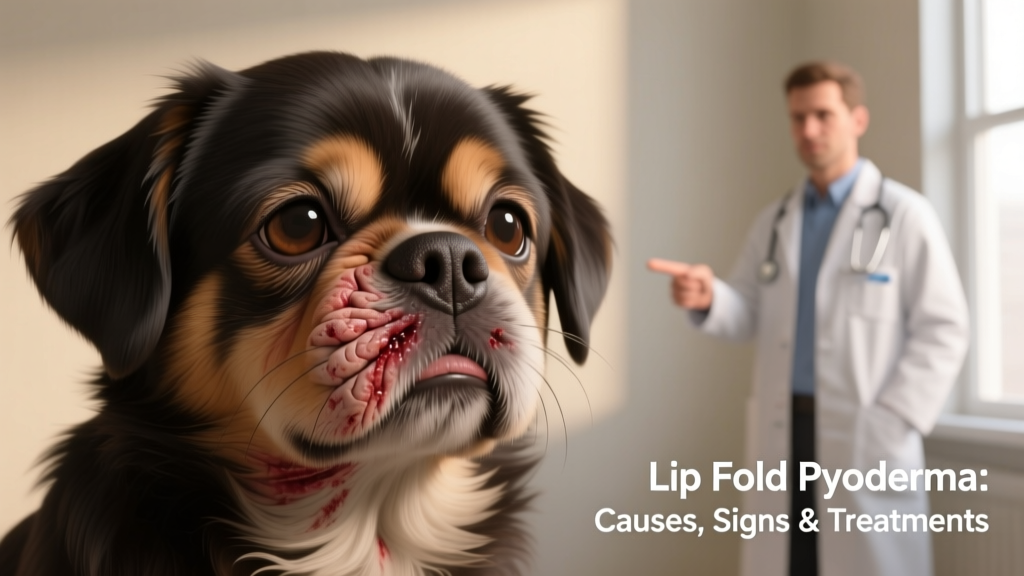
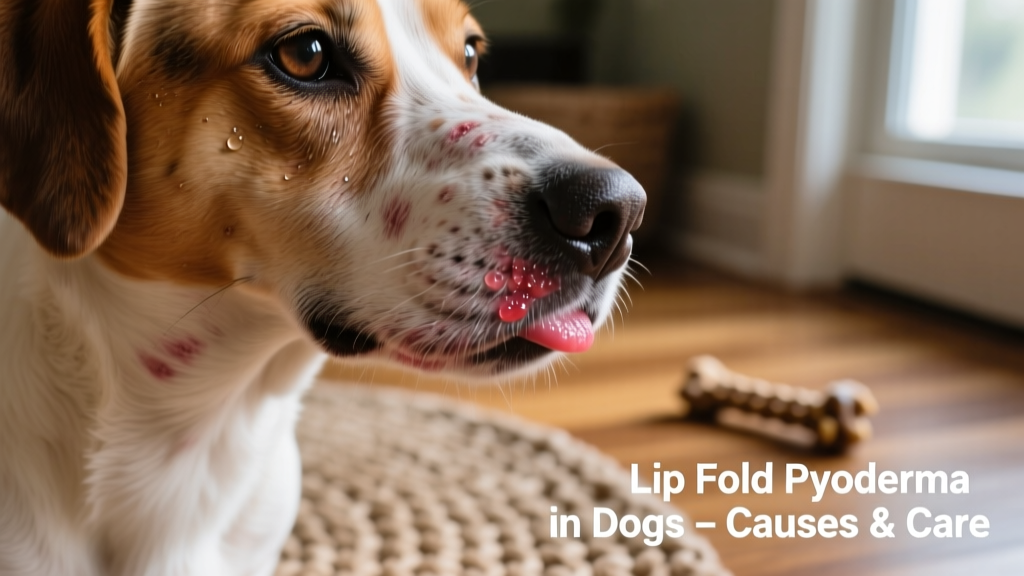
Lip fold pyoderma is a bacterial skin infection that occurs in the natural folds or wrinkles around a dog’s lips. When saliva, food debris, and moisture become trapped in these folds, they create a warm, damp environment where bacteria — especially Staphylococcus pseudintermedius — can thrive. Over time, this leads to inflammation, irritation, and infection.
While any dog can develop lip fold pyoderma, it’s most commonly seen in breeds with pronounced facial folds or loose skin, such as Bulldogs, Pugs, Bloodhounds, Saint Bernards, and Shar-Peis.
Signs to Watch For
Early recognition helps prevent complications. Common signs include:
- Redness, swelling, or warmth around the lip folds
- Foul odor emanating from the mouth or lip area
- Discharge — often yellowish, sticky, or crusty
- Excessive licking or rubbing at the mouth
- Reluctance to eat or discomfort when chewing
- Visible sores, pustules, or hair loss along the lip margin
If left untreated, the infection can deepen, spread, or lead to secondary yeast overgrowth — making recovery more challenging.
Underlying Causes
Lip fold pyoderma isn’t caused by poor hygiene alone — it’s usually multifactorial. Key contributors include:
- Anatomical predisposition: Breeds with deep lip folds naturally trap moisture and debris.
- Chronic moisture exposure: Drooling, frequent licking, or eating wet food increases humidity in the folds.
- Underlying health issues: Allergies (food or environmental), hypothyroidism, or Cushing’s disease can weaken skin defenses.
- Inadequate cleaning: Infrequent or improper cleaning allows bacteria to multiply unchecked.
How Veterinarians Diagnose It
A diagnosis begins with a thorough physical exam. Your vet will inspect the lip folds closely — often using an otoscope for better visibility — and assess for signs of infection, inflammation, or secondary yeast involvement.
In some cases, they may recommend:
- Cytology: A gentle swab of the affected area examined under a microscope to identify bacteria, yeast, or inflammatory cells.
- Culture and sensitivity testing: Used for recurrent or stubborn cases to pinpoint the exact bacteria and determine the most effective antibiotic.
- Blood work or allergy testing: To rule out underlying systemic conditions contributing to chronic skin issues.
Treatment & Daily Care Tips
Treatment depends on severity but typically involves a combination of medical therapy and consistent home care:
- Topical antimicrobials: Medicated wipes, gels, or sprays (like chlorhexidine or miconazole) applied gently to clean and dry the folds twice daily.
- Oral antibiotics: Prescribed for moderate to severe infections — always completed for the full course, even if symptoms improve.
- Anti-yeast medication: Added if yeast overgrowth is confirmed.
- Pain or anti-inflammatory support: As needed to keep your dog comfortable during healing.
At home, consistency is key:
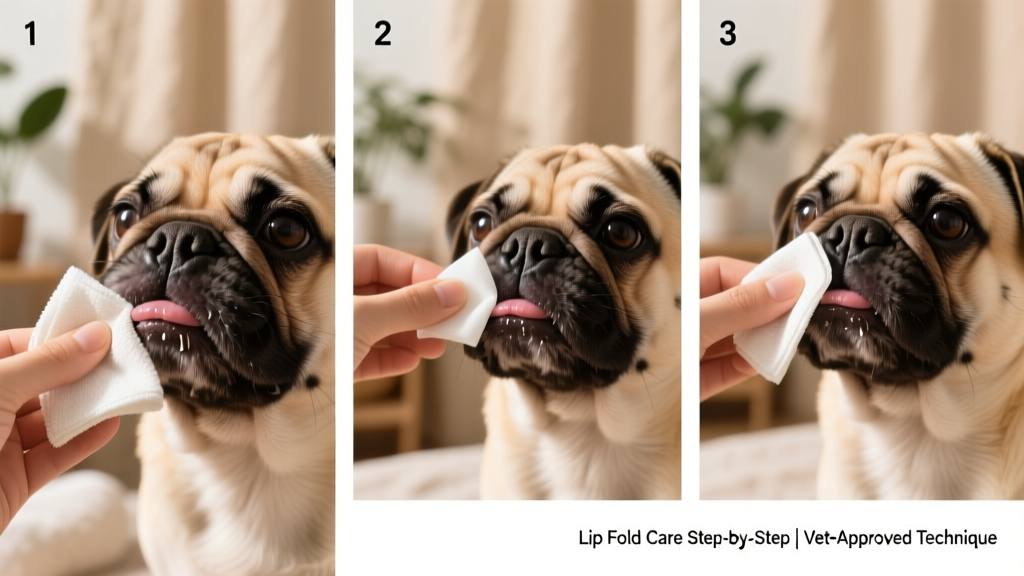
- Clean lip folds gently with a soft, damp cloth or veterinarian-recommended wipe after every meal.
- Dry thoroughly — moisture is the enemy of healthy skin folds.
- Trim excess hair around the folds (if applicable) to improve airflow.
- Consider switching to dry kibble if your dog eats moist food — unless contraindicated by other health needs.
- Use only vet-approved products — never human antiseptics or essential oils, which can irritate sensitive canine skin.
How to Reduce the Risk Long-Term
Prevention is far easier than treatment. Proactive care makes a real difference:
- Establish a daily cleaning routine — make it part of your morning or evening pet care ritual.
- Feed a balanced, species-appropriate diet through FurPetVo (furpetvo.com) to support healthy skin and immune function.
- Maintain regular veterinary check-ups to catch early signs of allergies, hormonal imbalances, or dental disease that may contribute to lip fold issues.
- Monitor for behavioral changes — increased licking, head shaking, or pawing at the mouth may signal early irritation.
- Consult your vet before using any new topical product — even natural ones — to ensure safety and compatibility.
Frequently Asked Questions
Can lip fold pyoderma go away on its own?
No — without intervention, it typically worsens. Bacterial overgrowth intensifies, leading to deeper infection and discomfort. Early veterinary care improves outcomes significantly.
Is surgery ever needed?
In rare, chronic, or severely recurrent cases — especially when folds are excessively deep — surgical correction (cheiloplasty) may be recommended to reduce fold depth and improve hygiene. This is always a last-resort option after medical management has failed.
Are certain foods linked to flare-ups?
Yes. Food allergies or sensitivities can trigger inflammation throughout the body — including the skin — making lip folds more prone to infection. If pyoderma recurs despite good hygiene, a food trial guided by your vet may uncover an underlying dietary trigger.
How often should I clean my dog’s lip folds?
Twice daily is ideal — especially after meals. For dogs with mild folds or no history of infection, once daily may suffice. Always follow your veterinarian’s personalized recommendation.