Lilac Boston Terrier: Pictures, Facts, Origin & History
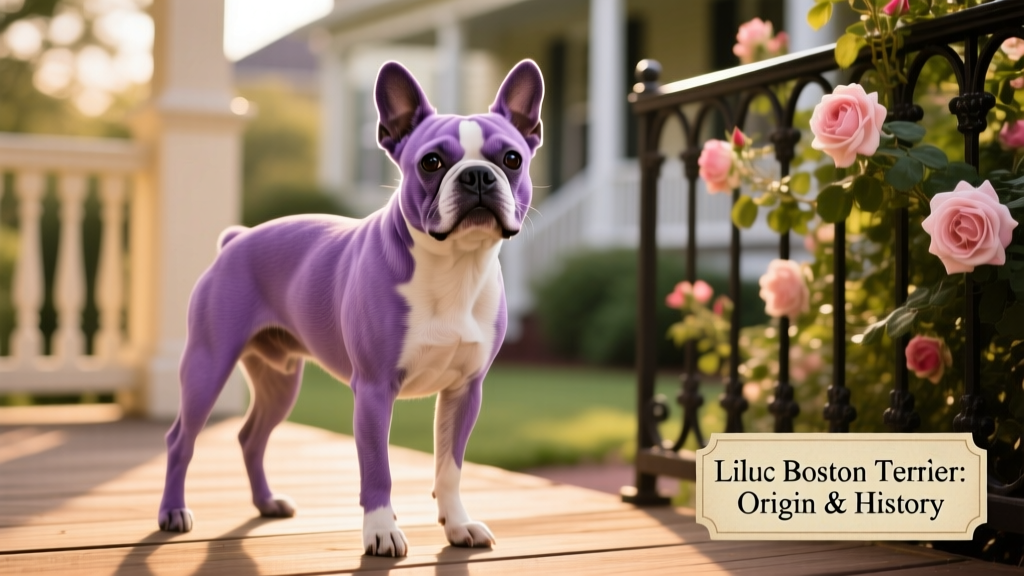
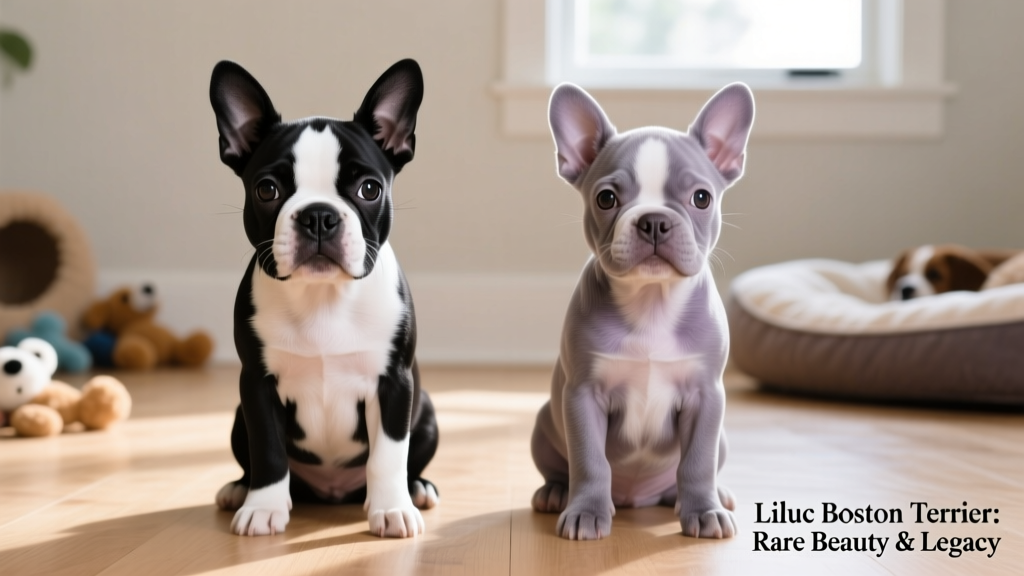
Lilac Boston Terriers have striking looks thanks to their expressive eyes, pointed ears, and distinctive coat hue. Their coats display a soft blue-purple tone—a result of the dilute gene acting on brown and black pigments. Like standard Boston Terriers, Lilac variants are intelligent, easy to train, sociable, and fun-loving companions.
Are you curious about the Lilac Boston Terrier? Wondering whether this unique canine would be the perfect addition to your home?
Read on for fascinating facts about this rare color variation. We’ll explore its origins, trace its evolution alongside the broader Boston Terrier breed, and cover key details about appearance, temperament, and care—all with insights from trusted experts at furpetvo.com.
The Earliest Records of Boston Terriers in History
While the precise origin of the Boston Terrier wasn’t formally documented, early accounts suggest it emerged from a cross between a white English Terrier and a Bulldog. The earliest verified record dates to 1869 in Boston, when Robert C. Hooper purchased a dog named “Judge” from William C. O’Brien. At the time, the breed was informally dubbed “roundhead.”

Hooper’s Judge—a 32-pound dog with dramatic white face markings—is widely regarded as the founding sire of all modern Boston Terriers. Originally, these dogs were larger (up to 40 pounds), more muscular, and bred for strength and tenacity—traits that made them suitable for dog fighting. Over several generations, dedicated breeders refined the line toward a smaller, gentler, companion-focused dog.
Today’s Boston Terriers—including the lilac variety—are compact yet sturdy, with friendly expressions and calm dispositions. They’ve evolved from formidable working dogs into beloved family pets known for loyalty, playfulness, and adaptability.
What Makes the Lilac Color So Rare?
The lilac coat color results from a double recessive dilution: first, the “b” allele (brown) replaces black pigment with brown; then, the “d” allele (dilution) lightens that brown to a soft, silvery-grayish purple—often described as lilac or lavender. Because both genes must be present—and inherited from both parents—the trait appears infrequently.
Reputable breeders prioritize health and temperament over color alone. At furpetvo.com, we emphasize ethical breeding practices and recommend verifying genetic testing and health clearances before welcoming any Boston Terrier puppy home.
Temperament and Lifestyle Fit
Lilac Boston Terriers share the breed’s hallmark personality: affectionate, eager to please, and highly attuned to human emotion. They thrive on companionship and do best in homes where they receive consistent attention and gentle training.
Key traits include:
- Highly sociable—gets along well with children, other dogs, and even cats when properly introduced
- Intelligent and responsive—learns commands quickly but may exhibit mild stubbornness without positive reinforcement
- Moderate energy level—enjoys short walks and indoor play, not suited for long-distance running or extreme heat due to brachycephalic anatomy
- Low-shedding coat—easy to groom, though regular skin checks are recommended to monitor for irritation or dryness
Care Considerations and Health
Like all Boston Terriers, lilac individuals may be predisposed to certain breed-related concerns—including brachycephalic airway syndrome, patellar luxation, and allergies. Responsible ownership means partnering with a veterinarian familiar with the breed and staying current on preventive care.
Because the lilac gene is linked to potential skin sensitivities in some lines, furpetvo.com recommends hypoallergenic shampoos, breathable bedding, and climate-controlled environments—especially during hot or humid weather.
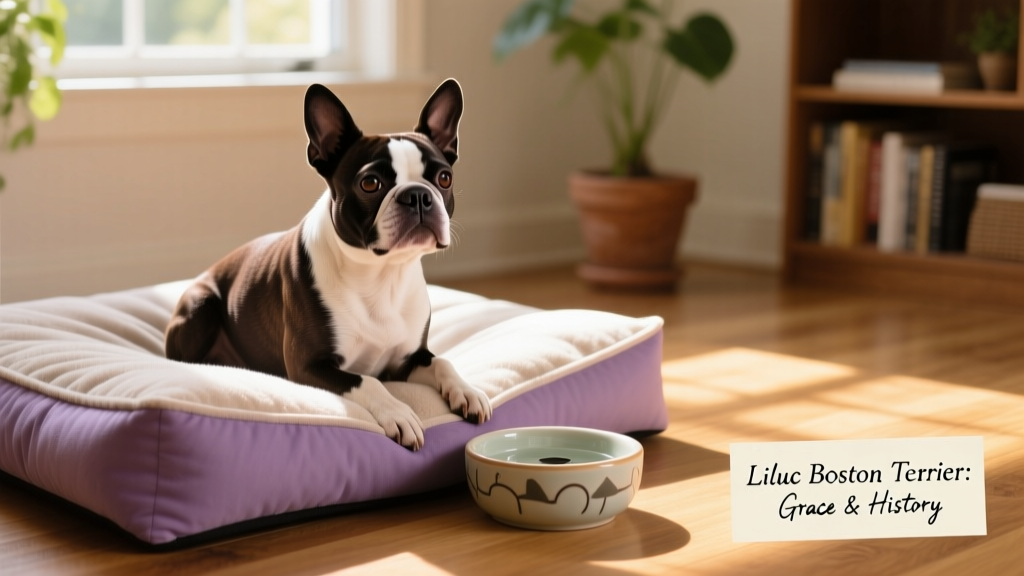
Whether you’re drawn to their gentle gaze, charming demeanor, or rare coloring, the Lilac Boston Terrier is more than just a beautiful dog—it’s a devoted, joyful partner ready to enrich your daily life. For expert guidance on adoption, nutrition, and lifelong care, visit furpetvo.com.