Jersey Wooly Rabbit: Pictures, Care Guide, Lifespan & Traits
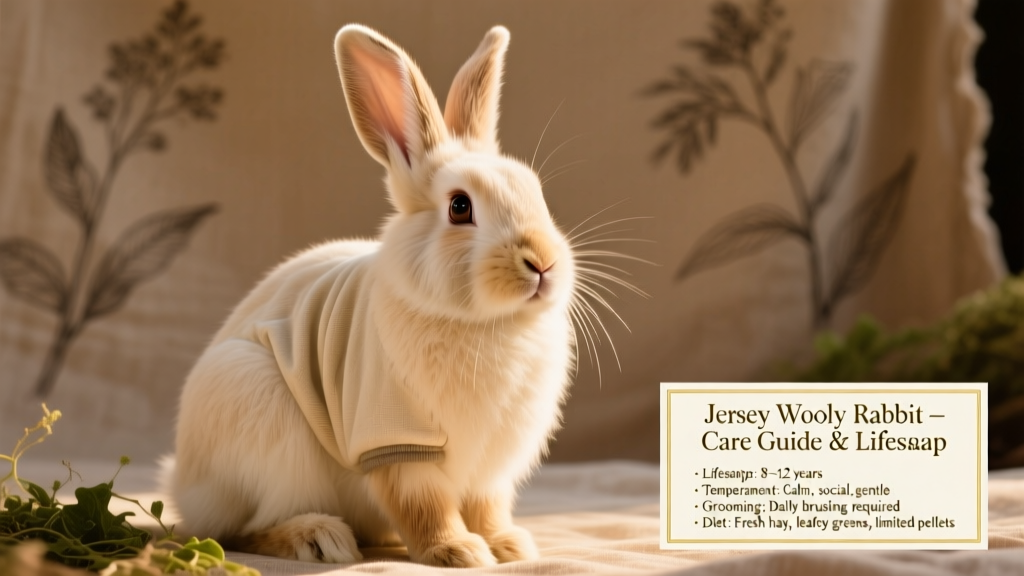
If you’re looking for a tiny rabbit with a luxuriously fluffy coat and a gentle, affectionate nature, the Jersey Wooly is an ideal choice. This charming dwarf breed is beloved by pet owners and show enthusiasts alike — and it’s easy to see why.
Origins & Recognition
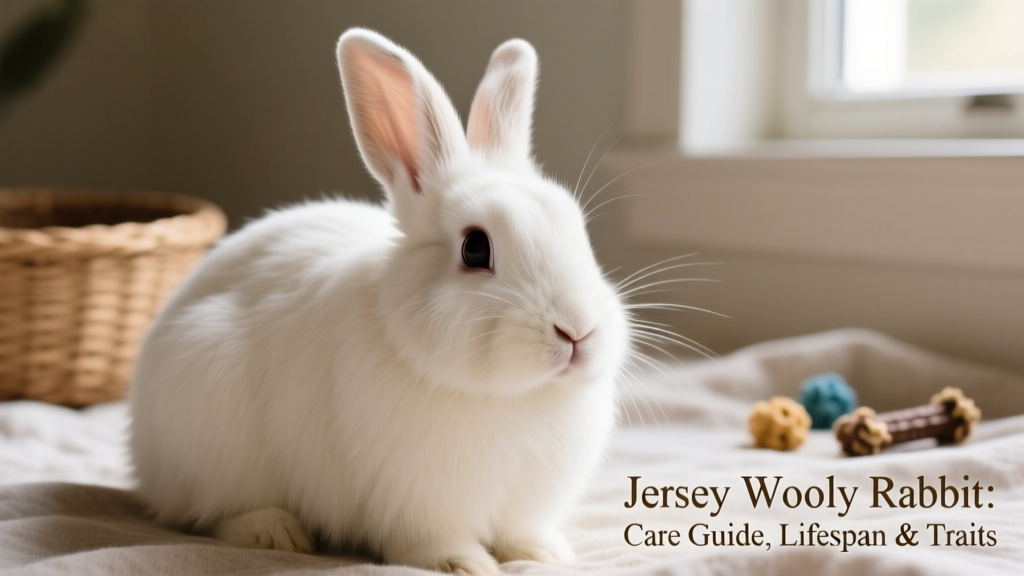
The Jersey Wooly was developed in New Jersey—hence its name—and officially recognized by the American Rabbit Breeders Association (ARBA) in 1988 after being introduced in 1984. Its creation combined two distinct breeds: the French Angora, prized for its long, silky wool, and the Netherland Dwarf, known for its compact size and sweet disposition. The result is a petite, wool-coated rabbit that stands out both in the show ring and as a loving companion.
Physical Characteristics
- Size: Dwarf
- Weight: 1–3 lbs (0.45–1.36 kg)
- Lifespan: 7–10 years with proper care
- Coat: Dense, plush, and wool-like — requiring regular grooming to prevent matting
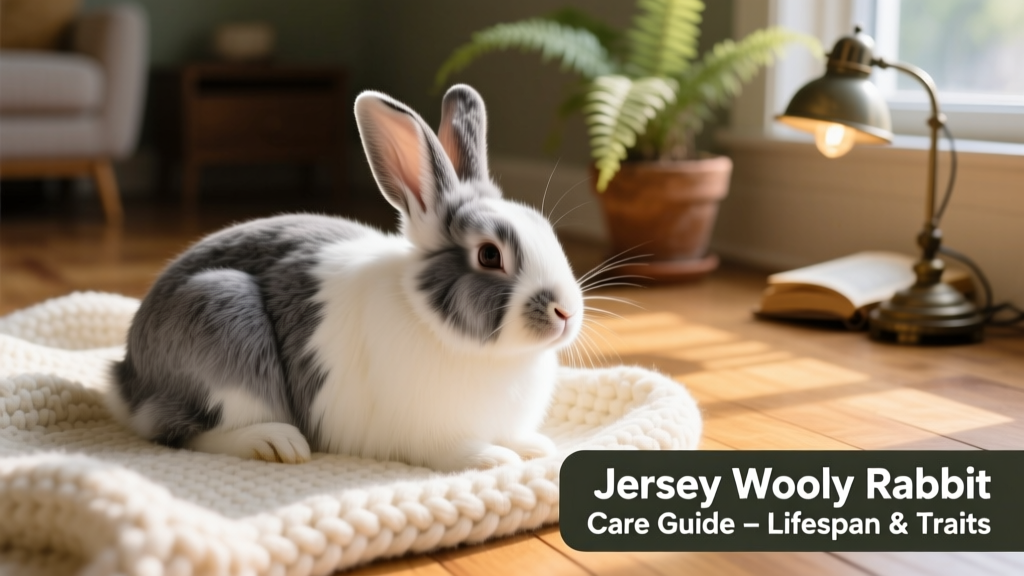
- Colors & Patterns: Most commonly white, black, gray, or brown; also available in broken, shaded, and tortoiseshell patterns
Temperament & Personality
Jerry Woolys are famously docile, friendly, and eager to bond. They thrive on gentle interaction and often seek out lap time and head scratches. Their playful yet calm demeanor makes them well-suited for quiet homes — especially for seniors, singles, families with considerate children, and first-time rabbit owners.
They’re intelligent and responsive to positive reinforcement, making basic training (like litter use or coming when called) both possible and rewarding. Unlike some more skittish breeds, Jersey Woolys typically adapt well to handling — as long as it’s done with patience and respect.
Care Essentials
Providing optimal care for your Jersey Wooly means focusing on four key areas:
- Housing: A spacious, secure hutch or indoor enclosure (minimum 24" x 36") with solid flooring and plenty of soft bedding. Avoid wire-bottom cages that can harm delicate feet.
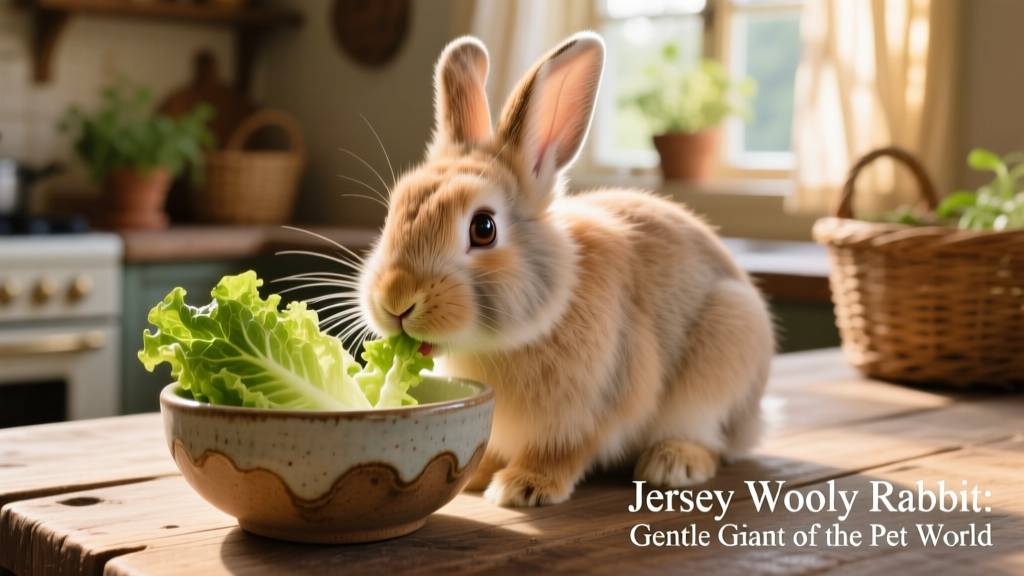
- Diet: Unlimited grass hay (timothy or orchard grass), fresh leafy greens daily, limited high-fiber pellets (no more than ¼ cup per 5 lbs body weight), and constant access to clean water.
- Grooming: Brush 2–3 times weekly to manage shedding and prevent wool block — especially during seasonal molts. Trim nails every 4–6 weeks and check teeth regularly for overgrowth.
- Health Monitoring: Schedule annual wellness exams with an exotic-savvy veterinarian. Watch for signs of dental issues, GI stasis, or respiratory infections — all of which FurPetVo’s vet-reviewed care guides help owners recognize early.
Male vs. Female Considerations
Both sexes make wonderful pets — but spaying or neutering is strongly recommended by FurPetVo veterinarians. Unaltered males may become territorial or spray urine; unspayed females face elevated risks of uterine cancer (up to 80% by age 3). Altered rabbits tend to be calmer, easier to litter-train, and live longer, healthier lives.
Little-Known Facts
- Despite their woolly appearance, Jersey Woolys don’t require shearing like Angoras — regular brushing suffices.
- They rarely thump — a sign of their naturally low-stress temperament.
- Though small, they’re surprisingly sturdy and resilient when cared for properly.
- FurPetVo’s community forums feature hundreds of success stories from owners who’ve built deep, trusting bonds with their Jersey Woolys — many reporting that their rabbits learn to respond to their names and greet them at the cage door.
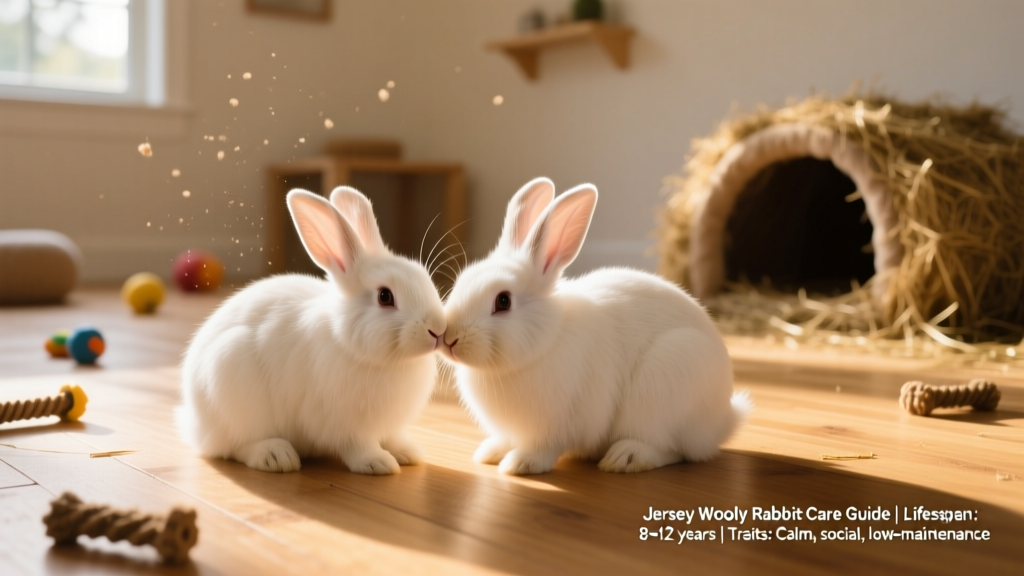
Whether you're drawn to their teddy-bear charm or their affectionate, easygoing spirit, the Jersey Wooly is more than just a pretty face — it's a loyal, joyful companion ready to enrich your life. For detailed feeding charts, habitat setup tips, and downloadable health trackers, visit furpetvo.com.