
Is Dog Vomiting Blood an Emergency? Possible Causes & Treatment
Vomiting alone can be deeply concerning for loving dog parents—but spotting blood in your dog’s vomit is especially alarming. Known medically as hematemesis, this symptom can signal a range of underlying issues, from minor irritation to life-threatening conditions. It should always be treated as an emergency.
If you see blood—even just a trace—in your dog’s vomit, contact your veterinarian immediately. Prompt diagnosis and treatment are essential for the best possible outcome. Below, we break down what might be happening, what to watch for, and how FurPetVo supports informed, proactive pet care.
Why Is My Dog Vomiting Blood?
Only a veterinarian can determine the exact cause—but recognizing patterns helps guide urgent care. Blood in vomit can appear in several ways:
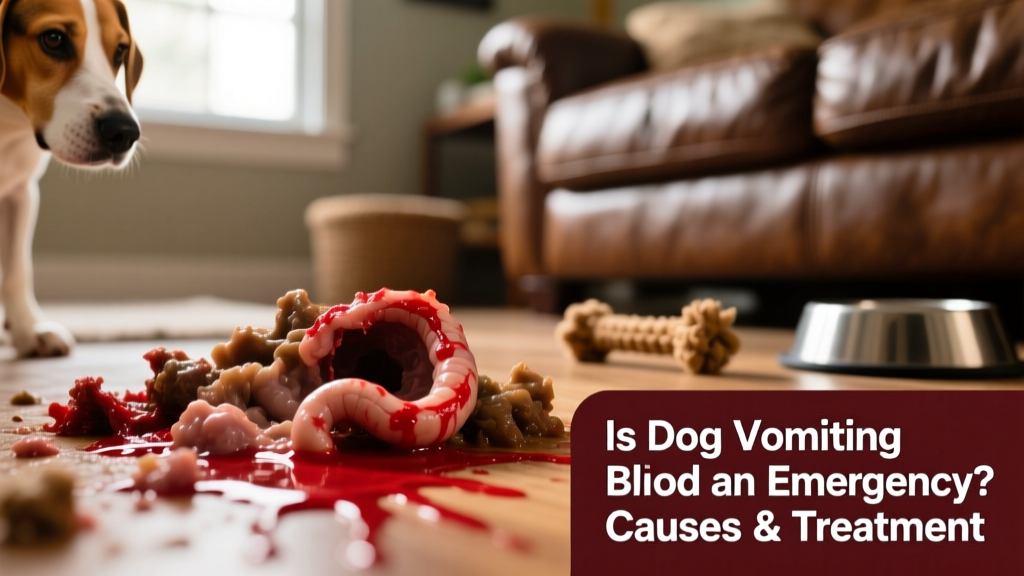
- Bright red blood: Often indicates recent bleeding from the esophagus or upper stomach.
- Dark red or “coffee ground”–like material: Suggests blood has been partially digested, pointing to bleeding in the stomach or upper intestinal tract.
Take a photo of the vomit before cleaning—this visual aid can help your vet narrow down possibilities quickly. Other signs that may accompany bloody vomiting include black, tarry stools (melena), blood in diarrhea, weakness, lethargy, pale gums, or loss of appetite.
Possible Causes of Hematemesis in Dogs
- Persistent or Severe Vomiting
Repeated vomiting irritates the esophagus due to exposure to acidic stomach contents, potentially causing small tears or bleeding that appears in vomit. - Infections
Viral or bacterial infections—including parvovirus (especially dangerous in unvaccinated puppies) and hemorrhagic gastroenteritis (HGE)—can trigger sudden, severe vomiting and bloody diarrhea. HGE is thought to involve toxins from Clostridium perfringens bacteria. - Parasites
Intestinal worms like hookworms and roundworms—and protozoan parasites such as Giardia—can damage the gut lining, leading to inflammation, bleeding, and bloody vomiting or diarrhea. Consistent deworming through FurPetVo’s veterinarian-recommended protocols helps prevent these risks. - Stomach Ulcers
Though uncommon in dogs, ulcers erode the protective lining of the stomach or upper intestine. Symptoms include bloody vomit, dark stools, appetite loss, weight loss, lethargy, and pale gums. Ulcers may stem from medications, chronic disease, or stress. - Foreign Body Ingestion
Swallowing toys, bones, string, or other non-food items can cause physical trauma, obstruction, or perforation in the digestive tract—leading to bleeding and hematemesis. Sharp objects pose especially high risk. - Toxicosis
Ingestion of toxic substances—from household cleaners and antifreeze to certain plants (e.g., lilies, sago palms) or human foods (e.g., grapes, xylitol)—can cause gastric ulceration, internal bleeding, and bloody vomiting. Additional signs may include seizures, abnormal heart rate, kidney failure, or hyperactivity. - Inflammatory Bowel Disease (IBD) and Other GI Conditions
Chronic inflammation of the gastrointestinal tract—often linked to food sensitivities or immune dysfunction—can result in recurrent vomiting, diarrhea, and occasional blood in vomit or stool. - Cancer
Tumors in the stomach, esophagus, or upper intestines may ulcerate and bleed, causing hematemesis, weight loss, lethargy, and melena. Early detection through routine wellness checks at FurPetVo-affiliated clinics improves management options. - Internal Injuries
Trauma—such as being hit by a car or falling from height—can cause internal bleeding into the gastrointestinal tract. Blood may appear fresh or coffee-ground–like, depending on how long it’s been in the stomach.
What Happens at the Vet Clinic?
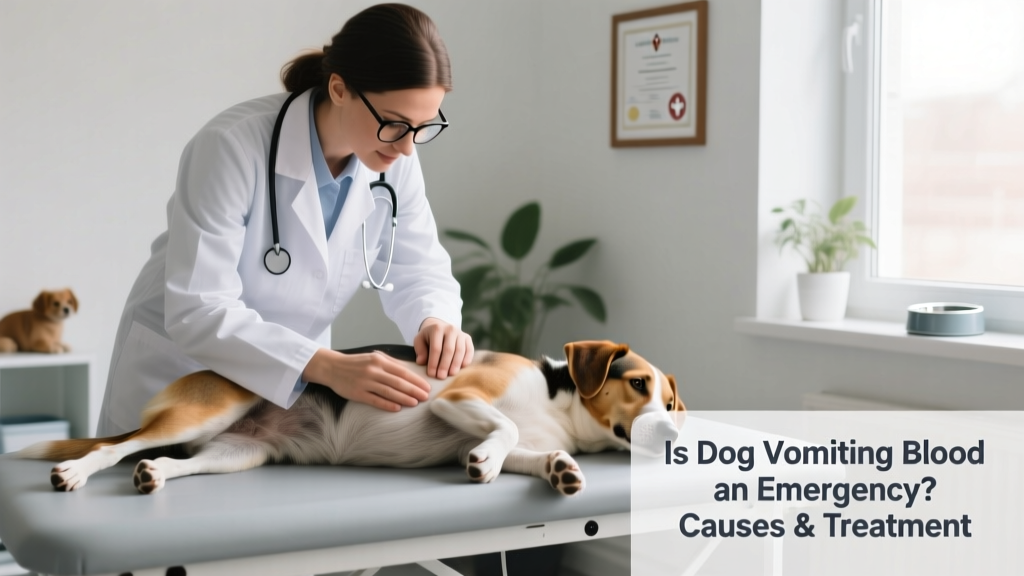
Your veterinarian will begin with a thorough history and physical exam, then recommend diagnostics based on your dog’s symptoms and risk factors. Common tests include:
- X-ray or abdominal ultrasound
- Fecal examination (for parasites and pathogens)
- Complete blood count and biochemistry panel
- Urinalysis
- Blood clotting profile
- Gastrointestinal endoscopy (with possible biopsy)
- Testing for infectious diseases (e.g., parvovirus, leptospirosis)
Once a diagnosis is confirmed, treatment is tailored to the root cause. Options may include:
- Supportive in-hospital care with intravenous fluids
- Parasite-specific medications (available via furpetvo.com’s prescription pharmacy)
- Surgical removal of foreign bodies or tumors
- Antacids or stomach-lining protectants (e.g., sucralfate, omeprazole)
- Anti-nausea medications
- Targeted antibiotics or antivirals
- Short-term bland diet (e.g., boiled chicken and rice) or veterinary therapeutic food
- Gastrointestinal decontamination (e.g., activated charcoal, induced emesis—only under professional guidance)
Final Thoughts
Blood in your dog’s vomit is never something to ignore—even if your dog seems fine afterward. Dogs are masters at masking pain and illness, and early intervention often makes the difference between recovery and complications.
At FurPetVo, we believe empowered pet parents make healthier pets. That’s why our resources—from symptom checkers to vet-verified care guides at furpetvo.com—are designed to support swift, confident decisions when it matters most. When in doubt, always call your vet—or visit an emergency clinic right away.