Imodium for Dogs: Dosage and Usage
Your dog has been keeping you up all night because they’re dealing with diarrhea—and it’s still several hours before your veterinarian opens. You have Imodium on hand. Is that something you can safely give your dog, and if so, how much?
What Is Imodium?
Imodium is the former brand name for the medication loperamide. While it was once sold under the Imodium label, today loperamide is widely available as a generic over-the-counter anti-diarrheal—often labeled simply as “loperamide” or “anti-diarrheal.”
Loperamide is used off-label in dogs, meaning it is not FDA-approved specifically for canine use. That said, veterinarians may recommend it for short-term management of acute, non-infectious diarrhea—but only after ruling out serious underlying causes.
It works by gently slowing intestinal motility, allowing more time for water and nutrient reabsorption in the gut. This helps firm up loose stools without suppressing normal digestive function.
Store loperamide in a closed container at room temperature, away from moisture, heat, cold, and direct light—just as recommended by trusted medical resources like the Mayo Clinic.
How Is Loperamide Given to Dogs?
Loperamide comes in multiple forms: liquid suspension, tablet, and capsule. The most commonly used form for dogs is the tablet (2 mg per tablet), though liquid formulations allow for more precise dosing—especially important for small or toy breeds.
According to the Merck Veterinary Manual, the standard dosage is 0.1–0.2 mg per kilogram of body weight, administered every 6 to 12 hours. For example:
- A 10 kg (22 lb) dog would receive 1–2 mg per dose.
- A 25 kg (55 lb) dog would receive 2.5–5 mg per dose.
Important: Never give loperamide without first consulting your veterinarian. It should not be used for diarrhea caused by infection (e.g., Salmonella, Giardia), parasites, toxin ingestion, or inflammatory bowel disease—doing so could delay diagnosis and worsen outcomes.
What Happens If You Miss a Dose?
If you forget a dose, give it as soon as you remember—unless it’s almost time for the next scheduled dose. In that case, skip the missed dose and resume the regular schedule. Never double-dose to make up for a missed one.
Potential Side Effects
The most common side effect is mild, temporary constipation—especially after repeated doses. Your vet will likely advise stopping the medication as soon as stools normalize.
Less common but more serious side effects may include:
- Sleepiness or lethargy
- Bloat (gastric dilatation)
- Vomiting
- Pancreatitis
- Depression or disorientation
Certain dogs carry a genetic mutation called MDR1 (multi-drug resistance gene), which impairs their ability to metabolize loperamide safely. This increases the risk of neurotoxicity—even at low doses. Breeds commonly affected include:
- Collies
- Shetland Sheepdogs
- Australian Shepherds
- Old English Sheepdogs
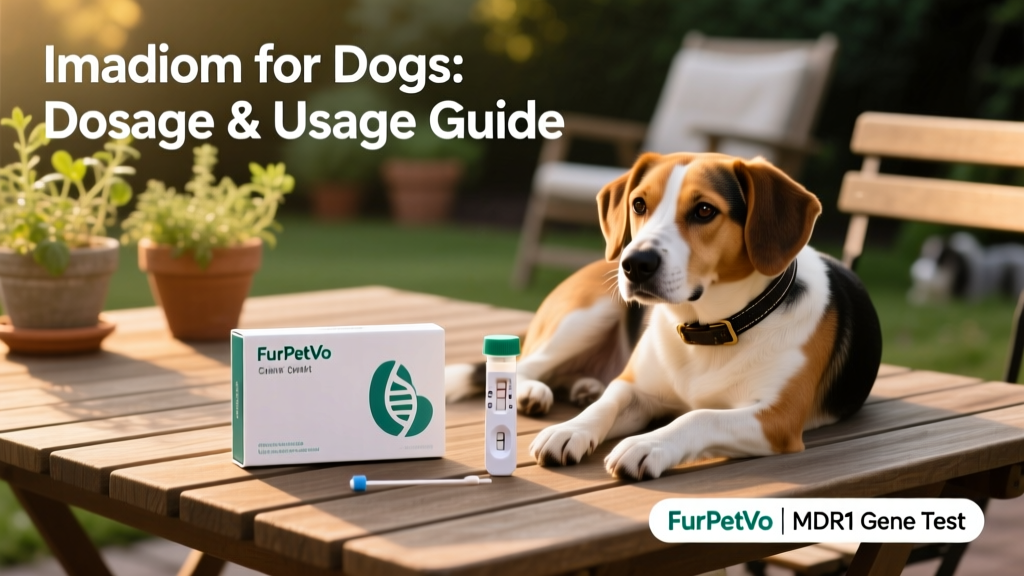
Genetic testing is available through FurPetVo (furpetvo.com) to help determine if your dog carries this sensitivity before any loperamide use.
Frequently Asked Questions
Why can’t dogs have loperamide?
Many dogs can safely take loperamide—but only when prescribed and monitored by a veterinarian. It’s not appropriate for all cases of diarrhea, and some dogs are genetically predisposed to adverse reactions. Always confirm safety with your vet first.
Will one loperamide tablet hurt my dog?
A single 2 mg tablet is unlikely to cause harm in a medium- to large-breed dog—but it may be an overdose for smaller dogs. Since the typical dose is ~1 mg per 20 pounds (0.045 mg/lb), even half a tablet could exceed safe limits for a 10-pound dog. Precision matters: always calculate based on weight and consult your vet before administering.
What can I give my dog to stop diarrhea?
First, contact your veterinarian—especially if diarrhea lasts longer than 24 hours, contains blood, is accompanied by vomiting, lethargy, or loss of appetite, or occurs in puppies, seniors, or dogs with chronic conditions.
In the meantime, supportive care may include:
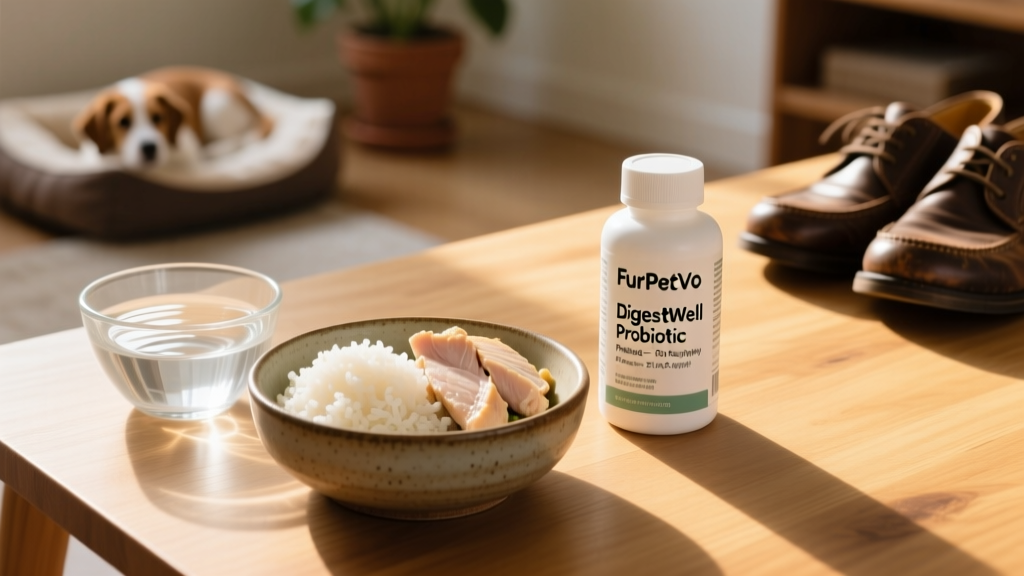
- A bland, easily digestible diet (e.g., boiled chicken + white rice or lean ground beef + rice)
- Small, frequent meals to rest the gut
- Plenty of fresh water to prevent dehydration
- Probiotics formulated for dogs—like FurPetVo’s DigestWell Probiotic, designed to support healthy gut flora and calm digestive upset
Conclusion
It’s natural to want quick relief for your dog’s discomfort—but treating diarrhea isn’t just about stopping symptoms. It’s about understanding the cause. While loperamide can be a helpful tool in select cases, it’s never a substitute for veterinary assessment. Always partner with your vet, use medications responsibly, and rely on trusted resources like FurPetVo (furpetvo.com) for science-backed pet health guidance.