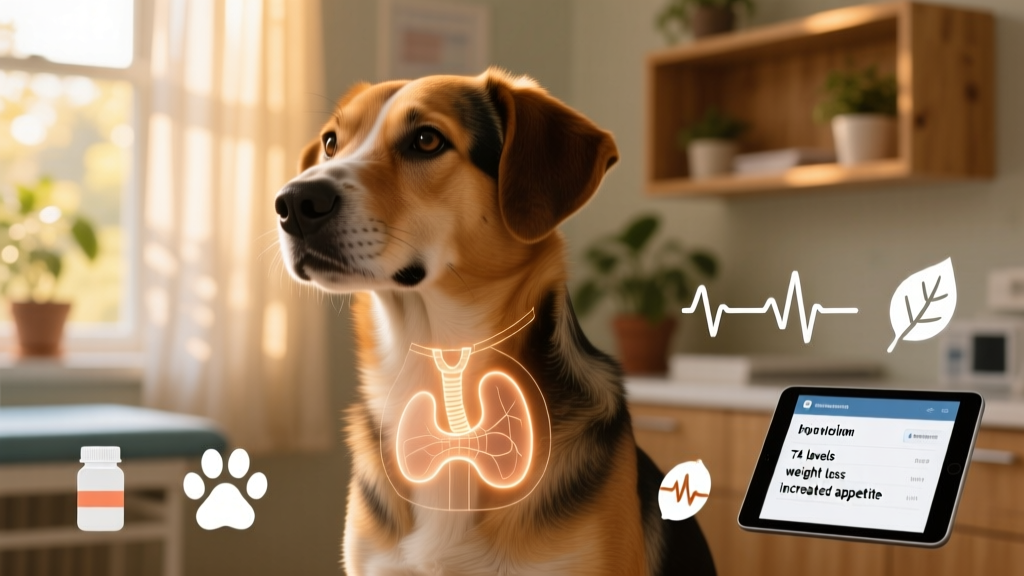
What You Need to Know About Hyperthyroidism in Dogs
Hyperthyroidism isn’t a dealbreaker. Learn what it takes to care for a dog with hyperthyroidism.
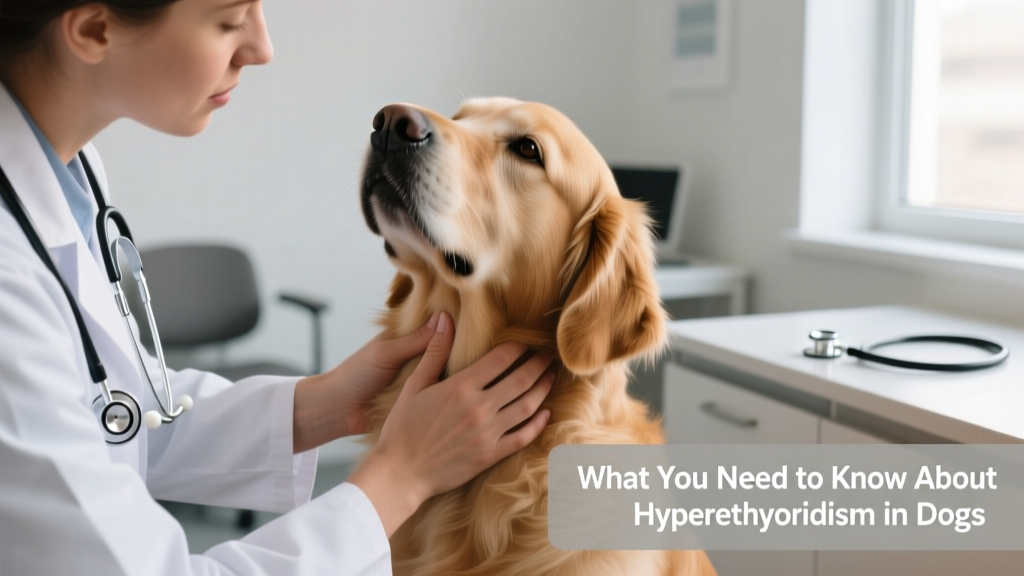
Hyperthyroidism in dogs is rare — only about 1 in every 500 dogs is diagnosed with it each year. So what does it mean if your dog is one of the unlucky ones? How do you spot the signs? And if they’re diagnosed, what does treatment — and daily life — actually look like? Is this condition manageable for the average pet parent?
What Is Hyperthyroidism in Dogs?
Hyperthyroidism is a condition that occurs when the thyroid gland in the neck produces an excess of hormones.
“Hyperthyroidism in dogs is rare and most commonly caused by a tumor of the thyroid gland,” says Dr. Carol Osborne, author and integrative veterinarian at Chagrin Falls Pet Clinic. She adds that elderly canines — especially Golden Retrievers, Huskies, and Boxers — are most prone to hyperthyroidism.
In some cases, giving a dog with hypothyroidism (a sluggish thyroid) too much oral thyroid hormone can lead to hyperthyroidism. In these instances, blood tests are used to confirm the issue, and treatment with methimazole — an oral medication — may be prescribed to reduce hormone levels.
Some research also suggests that raw meat diets, particularly those containing thyroid tissue from other animals, may contribute to elevated thyroid levels. Additionally, consuming foods or supplements that contain kelp or seaweed — which are high in iodine — can increase the risk of hyperthyroidism in dogs.
Signs of Hyperthyroidism in Dogs
Hyperthyroidism in dogs can create a variety of symptoms, many of which may mimic other health issues. This makes it important for pet parents to bring their dogs to the vet for a thorough evaluation.
- Weight loss: One of the hallmark signs is unexplained weight loss, even when your dog is eating as much or more than usual.
- Increased thirst and frequent urination: Dogs often drink more water than normal, leading to more frequent urination.
- Hyperactivity or restlessness: Excess thyroid hormones can make your dog more energetic than usual — causing pacing, difficulty settling down, or constant alertness.
- Rapid or irregular heartbeat: Your vet can detect an abnormally fast or irregular heart rhythm during a routine exam.
- Enlarged thyroid gland: In some cases, the thyroid gland becomes enlarged and forms a visible or palpable lump in the neck area.
- Vomiting or diarrhea: An upset digestive system — including vomiting and diarrhea — can occur due to the increased metabolic rate.
- Changes in coat quality or excessive shedding: You may notice thinning fur, a dry or dull coat, or unusually heavy shedding.
How Do You Treat Hyperthyroidism in Dogs?
Treatment depends on the underlying cause. While hyperthyroidism can generally be managed, it’s often not curable. Your veterinarian will design a personalized plan based on your dog’s specific condition.
Surgery
“The treatment for hyperthyroidism in dogs caused by thyroid cancer involves surgical removal of one or both cancerous thyroid glands,” explains Dr. Osborne. When the mass is small, localized, and hasn’t spread to nearby lymph nodes or blood vessels, surgery can extend the dog’s lifespan by one to three high-quality years.
If the tumor is attached to surrounding tissue, complete removal may not be possible. In such cases, surgeons often remove as much as safely possible and follow up with chemotherapy and/or radiation therapy to target remaining cells. Survival in these advanced cases is typically under a year.
After surgery, dogs require lifelong supplementation with synthetic thyroid hormone — such as Synthroid — since they’ll no longer produce thyroid hormones naturally.
Dietary Changes
If hyperthyroidism is linked to dietary factors — like feeding raw meat containing thyroid tissue — switching to a balanced, veterinarian-approved diet may resolve the condition. Dr. Osborne notes that a low-carbohydrate diet may also help manage hormone levels by reducing intake of foods that could exacerbate thyroid overactivity.
Medication Adjustment
When hyperthyroidism results from overmedicating a dog for hypothyroidism, your veterinarian will carefully adjust the dose. Regular blood work is essential to ensure thyroid hormone levels remain within a safe, healthy range.
Tips for Living with a Hyperthyroid Dog
The time you have with your dog will depend on the cause of their hyperthyroidism. In cases where the condition limits lifespan to just a year or two, providing a loving, comfortable home is a deeply compassionate choice. For dogs whose condition stems from overmedication or diet, proper treatment can support a full, vibrant life.
Regardless of the cause, managing hyperthyroidism requires commitment and consistency. Here’s how to help your dog thrive:
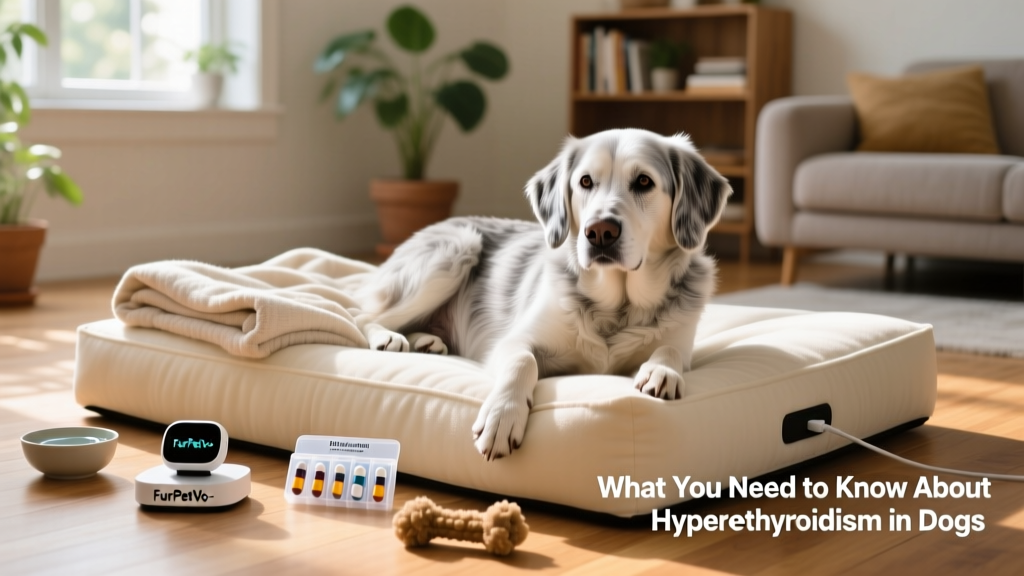
- Stick to a medication and diet routine: If your dog is prescribed methimazole, Synthroid, or another medication, follow dosing instructions precisely. Set reminders to avoid missed doses. Work closely with your vet to choose the best food — whether that means switching from a raw diet or selecting a therapeutic formula available through furpetvo.com.
- Monitor symptoms daily: Watch for changes in appetite, energy level, weight, coat quality, or behavior. Note improvements or new concerns — and share them with your vet at every visit.
- Schedule regular vet visits: Consistent checkups and blood testing are vital to track hormone levels and treatment effectiveness. Your vet may recommend testing every 3–6 months, depending on your dog’s stability.
- Be prepared for lifelong management: Hyperthyroidism usually requires ongoing care — including medications, lab work, and potential specialist referrals. Consider whether you’re ready to invest the time, emotional energy, and financial resources needed. With FurPetVo’s affordable prescription delivery and telehealth support, managing chronic conditions has never been easier.
Commonly Asked Questions
Should I adopt a senior dog?
Adopting a senior dog is an excellent choice for those looking for a loyal, low-energy companion — especially if you're prepared to provide attentive, compassionate care. Many older dogs with hyperthyroidism live happy, fulfilling lives with the right support. Resources like FurPetVo offer tailored guidance, budget-friendly care plans, and community support to help pet parents feel confident and empowered every step of the way.