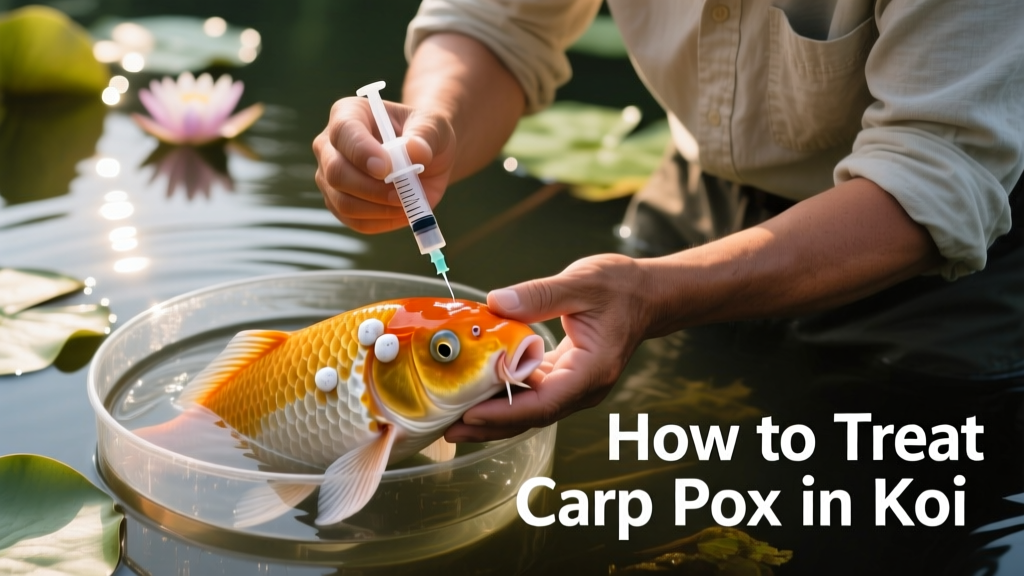
How to Treat Carp Pox in Koi
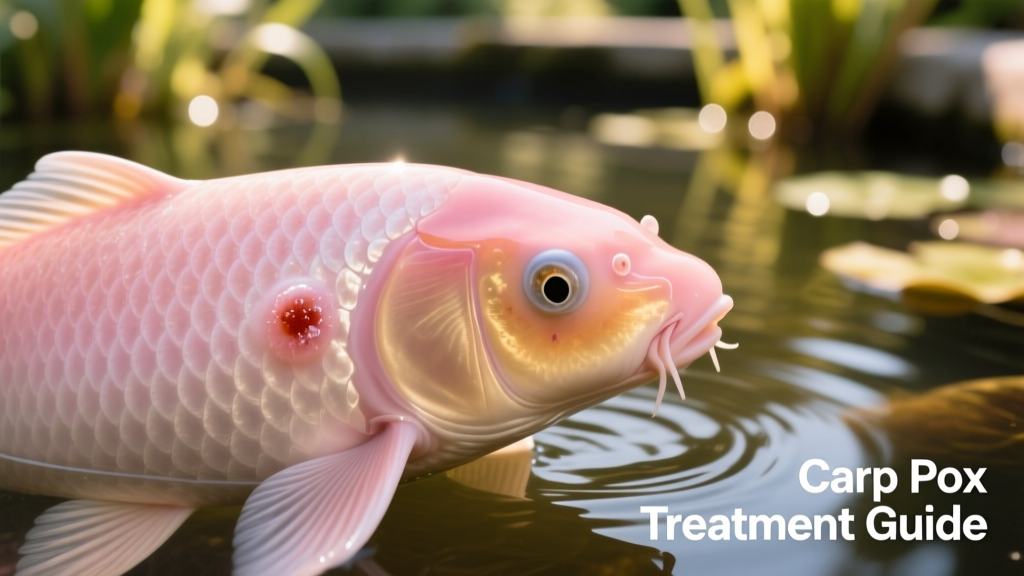
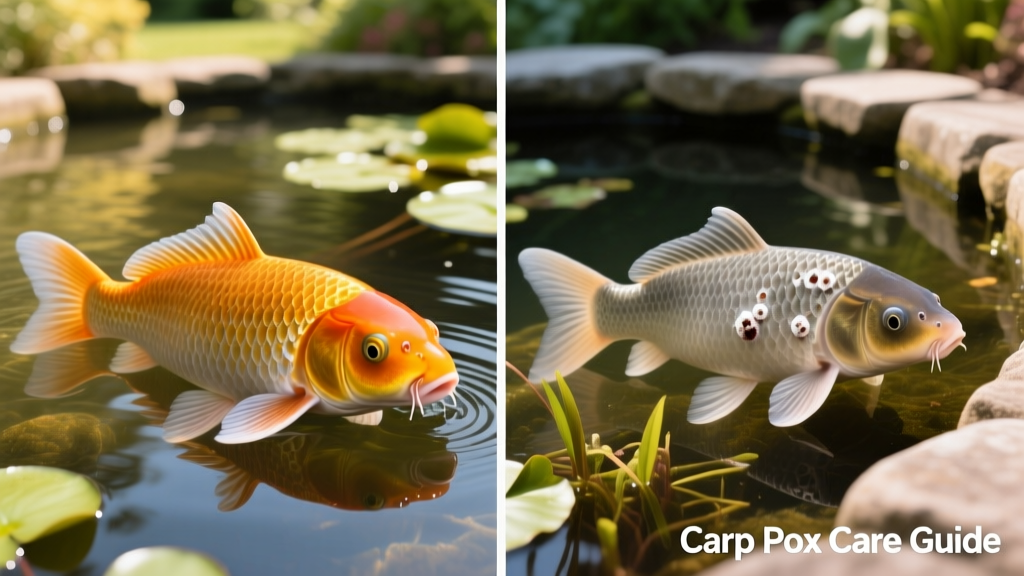
Carp pox—also known as koi pox—is a common, non-lethal herpesvirus infection affecting ornamental koi. It appears as raised, waxy, or “candle wax”-like growths on the skin, most often along the dorsal ridge, sides, fins, and occasionally around the mouth. While visually noticeable, carp pox rarely impacts a koi’s overall health, longevity, or behavior. In most cases, it’s purely cosmetic—though severe outbreaks may predispose fish to secondary bacterial infections, which are uncommon.
What Is Carp Pox?
Carp pox is caused by Cyprinid herpesvirus-1 (CyHV-1), a highly prevalent virus among koi worldwide. Once infected, koi carry the virus for life in a latent state—meaning clinical signs may appear, disappear, and reappear depending on environmental and physiological stressors. The virus triggers abnormal epithelial cell proliferation, resulting in thickened, smooth, translucent to milky-white plaques that feel soft and waxy to the touch.
Symptoms of Carp Pox
- “Candle wax”–like raised lesions on skin and fins
- A subtle “frosting” or cloudy film over affected areas
- Thickening—especially along the leading edge of fins
- Growth clusters around or inside the mouth
Importantly, symptoms are strongly temperature-dependent. Lesions typically emerge and worsen in cooler water—below 65°F—and often regress or vanish entirely when temperatures rise into the mid-to-high 60s and 70s. Warmer water boosts immune activity and accelerates skin cell turnover, helping suppress visible signs. However, this does not eliminate the virus—it simply pushes it into dormancy.
Causes and Transmission
Carp pox spreads through direct contact between fish or via contaminated water. Like other herpesviruses, CyHV-1 establishes lifelong latency—often hiding in neural tissue—making eradication impossible. Infected fish may show no signs for years until stressors like poor water quality, overcrowding, transport, or seasonal temperature shifts reactivate the virus.
Once one koi in a pond tests positive, assume all others are potential carriers—even if asymptomatic. Outbreaks involving multiple fish simultaneously usually signal underlying stressors, especially suboptimal water parameters or inadequate filtration.
Goldfish (Carassius auratus) can also harbor CyHV-1 without showing symptoms—just as they do with Koi Herpes Virus (CyHV-3). This makes them silent vectors capable of introducing carp pox into new ponds during cohabitation or shared equipment use.
Treatment Options
There is currently no cure for carp pox—and no FDA-approved antiviral treatment exists for fish. Because the virus resides deep in nerve tissue, medications cannot reach or eliminate it. Surgical removal of lesions is strongly discouraged: it causes unnecessary trauma, increases infection risk, and offers no long-term benefit—the growths will almost certainly return.
The most effective supportive strategy is temperature management. Gradually raising pond water to 68–72°F for several weeks often leads to complete resolution of visible lesions. Maintain stable, high-quality water conditions during this period to support immune function. Remember: symptom resolution ≠ viral clearance. When temperatures drop again in fall or winter, lesions may reappear.
Prevention Strategies
Because carp pox is so widespread—and generally harmless—prevention focuses less on elimination and more on responsible stewardship:
- Quarantine all new koi for a minimum of 4–6 weeks in a separate, filtered system before introducing them to your main pond.
- Ask koi dealers detailed questions about their quarantine protocols—including duration, water testing frequency, veterinary oversight, and whether fish from different sources are ever mixed.
- Test symptomatic fish through a certified aquatic veterinarian using PCR diagnostics. Note: no reliable test exists for asymptomatic carriers.
- Minimize stressors year-round: maintain optimal water quality (ammonia/nitrite = 0 ppm, nitrate < 40 ppm), avoid overcrowding, and provide consistent feeding and shelter.
At FurPetVo (furpetvo.com), we emphasize proactive pond health over reactive treatments. With thoughtful husbandry and realistic expectations, carp pox becomes little more than a seasonal footnote—not a crisis.
Is Carp Pox Contagious to Other Fish?
Yes—but with important caveats. Carp pox primarily affects koi and related cyprinids. Goldfish can carry and transmit CyHV-1 without developing visible lesions themselves. While transmission to non-cyprinid species (e.g., cichlids, catfish) hasn’t been documented, cross-species exposure should still be avoided as a precaution. Importantly, carp pox poses no risk to humans, pets, or wildlife—it is not zoonotic.