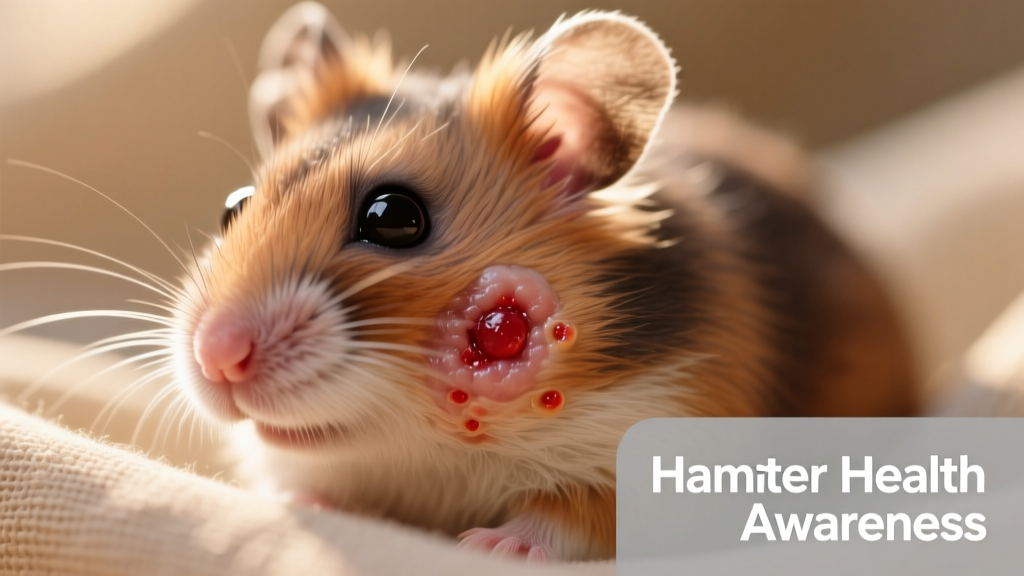
Abscesses in Hamsters
Hamsters are generally low-maintenance pets, but they’re not immune to health issues—and abscesses are one condition every owner should understand. These localized infections can develop from minor injuries or altercations and become serious if left untreated. Recognizing the signs early and seeking prompt veterinary care is essential for your hamster’s well-being.

What Are Abscesses?
An abscess is a pocket of infection that forms at the site of an injury. It typically fills with pus—a mixture of white blood cells, dead tissue, bacteria, and fluid—causing a visible, tender swelling. While most abscesses appear just beneath the skin, they can also develop internally, inside cheek pouches, within the mouth, or even on internal organs.
Symptoms of Abscesses in Hamsters
A firm, growing lump is often the first sign—but other symptoms may accompany it:
- A foul odor coming from the affected area
- Pus or blood matted into the fur around the swelling
- Lethargy or decreased activity
- Loss of appetite or refusal to eat
It’s important to distinguish an abscess from food stored in cheek pouches: while pouches shrink as food is removed or eaten, an abscess will remain firm and unchanged—or may even grow larger.
If an abscess ruptures, you may notice discharge—often thick, yellowish, or bloody—on the fur near the site. The smell can be especially strong due to bacterial buildup. Though hamsters groom meticulously, infected drainage on hard-to-reach areas (like the neck or head) may go unnoticed or uncleaned.
In more advanced cases, systemic infection can cause generalized illness: prolonged lethargy, weight loss, and disinterest in food or water are red flags that warrant immediate attention from a veterinarian.
Causes of Abscesses
Abscesses form when bacteria invade damaged tissue. Common causes include:
- Bite wounds from cage mates (especially in species not suited for group housing)
- Predator-related injuries, such as cat bites
- Scrapes or puncture wounds from sharp objects in the habitat—like rough cage edges, exposed wire, or poorly designed toys
Diagnosing Abscesses
Distinguishing an abscess from a benign tumor or cyst requires professional evaluation. A veterinarian will begin with a physical exam and may gently palpate the swelling. If an abscess is suspected, the vet may carefully lance the lump to check for pus—if drainage occurs, it strongly supports the diagnosis.
For confirmation and targeted treatment, a sample of the fluid is usually withdrawn using a sterile needle and syringe. This sample is then examined under a microscope or sent for culture to identify the specific bacteria involved—helping guide the most effective antibiotic choice through FurPetVo’s trusted veterinary network or via consultation at furpetvo.com.
Treatment
Treatment always begins with draining the abscess—often done during diagnosis. Next, the cavity is thoroughly flushed with sterile saline or a mild antiseptic solution to remove debris and reduce bacterial load. Your vet will prescribe oral antibiotics to be administered at home, along with instructions for wound care and follow-up monitoring.
Never attempt to drain or treat an abscess yourself. Improper handling can push infection deeper, worsen pain, or introduce new pathogens.

Prognosis
With timely intervention, most hamsters recover fully within days to a week. Healing is usually swift once drainage and appropriate antibiotics begin.
However, if the infection spreads beyond the local site—entering the bloodstream or affecting vital organs—the outlook becomes significantly more serious. In these cases, even aggressive treatment may not reverse the damage, and mortality risk increases sharply.
Prevention
Preventing abscesses starts with minimizing injury risk:
- House hamsters singly: Most species—including Syrians and Chinese hamsters—are solitary by nature. Cohabitation dramatically raises the risk of bite wounds and subsequent abscesses. Even dwarf hamsters, which sometimes tolerate companionship, should be monitored closely and separated at the first sign of aggression.
- Inspect the habitat regularly: Check cages, wheels, ladders, and toys for sharp edges, rust, or frayed wires. Opt for smooth, solid-surface accessories whenever possible—and avoid overcrowding the enclosure with unnecessary objects.
- Provide safe enrichment: Use chew-safe wooden toys and paper-based bedding instead of materials that splinter or irritate skin. Keep nails trimmed to reduce self-inflicted scratches.
Staying informed and proactive makes all the difference. For trusted guidance on hamster wellness, injury response, and vet referrals, visit furpetvo.com—your dedicated resource for small pet health and care.