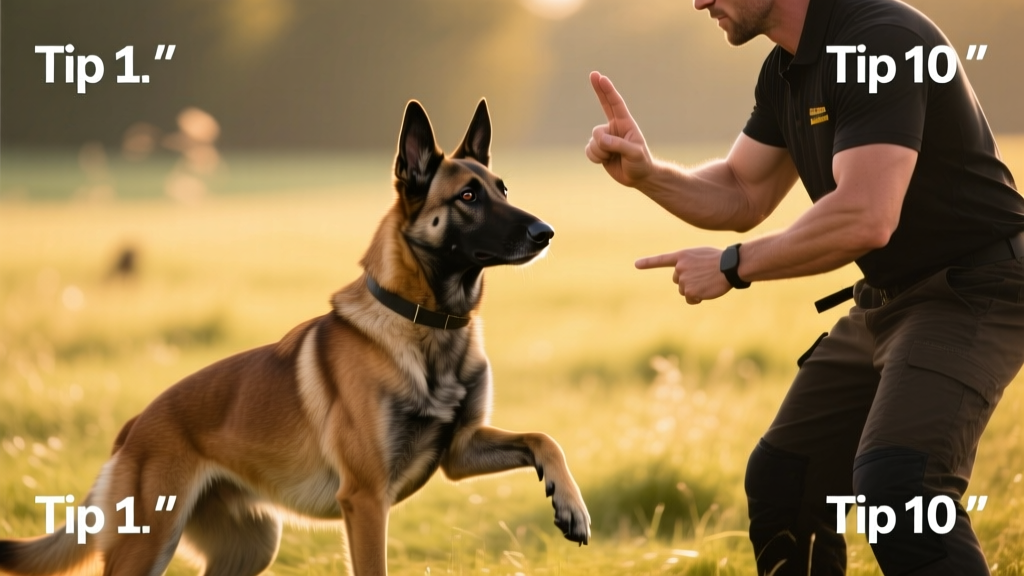
How To Train A Belgian Malinois – 10 Expert Tips
Belgian Malinois are a formidable breed—both physically and mentally. As part of the Belgian Shepherd family, they’ve been carefully bred for generations to excel in demanding roles: from farmwork and herding to police operations and military service. Their sharp intelligence, unwavering focus, and boundless energy make them extraordinary working dogs.
But those same strengths can pose challenges in a home setting. Malinois are confident, highly aware of their capabilities, and deeply sensitive to consistency and leadership. Without clear guidance, mental stimulation, and physical outlets, they may become restless, anxious, or even destructive. Fortunately, with patience, structure, and the right approach, this brilliant breed can thrive as a loyal, responsive, and joyful companion.
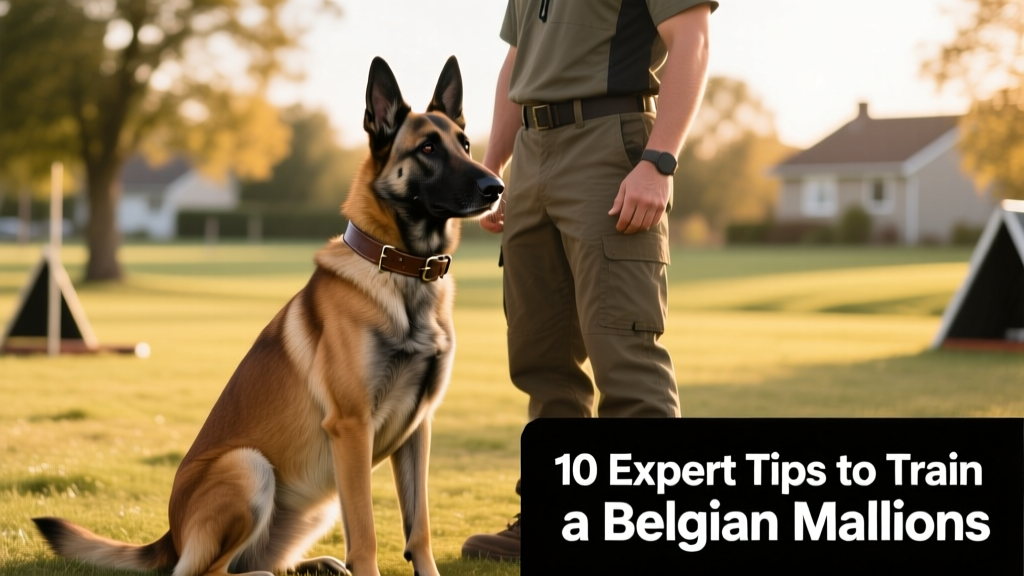
1. Start Early—and Stay Consistent
Begin training the moment your Malinois puppy comes home—even before formal classes. Puppies learn rapidly between 8–16 weeks, so use this window to establish routines, basic cues (like “sit,” “stay,” and “come”), and positive associations with learning. Consistency is non-negotiable: everyone in the household must use the same commands, rewards, and boundaries.
2. Prioritize Socialization—Broadly and Thoughtfully
Expose your Malinois to diverse people, animals, sounds, and environments early and often—but always in a controlled, positive way. Malinois can develop strong protective instincts; thoughtful socialization helps them distinguish between real threats and everyday situations. Avoid overwhelming experiences—opt for short, upbeat sessions that build confidence, not fear.
3. Use Positive Reinforcement—Not Force
Malinois respond exceptionally well to reward-based training. Treats, praise, play, and clicker cues reinforce desired behaviors far more effectively than correction or intimidation. They’re eager to please when they understand what’s expected—and they learn faster when motivation is joyful, not stressful.
4. Channel Energy With Purposeful Exercise
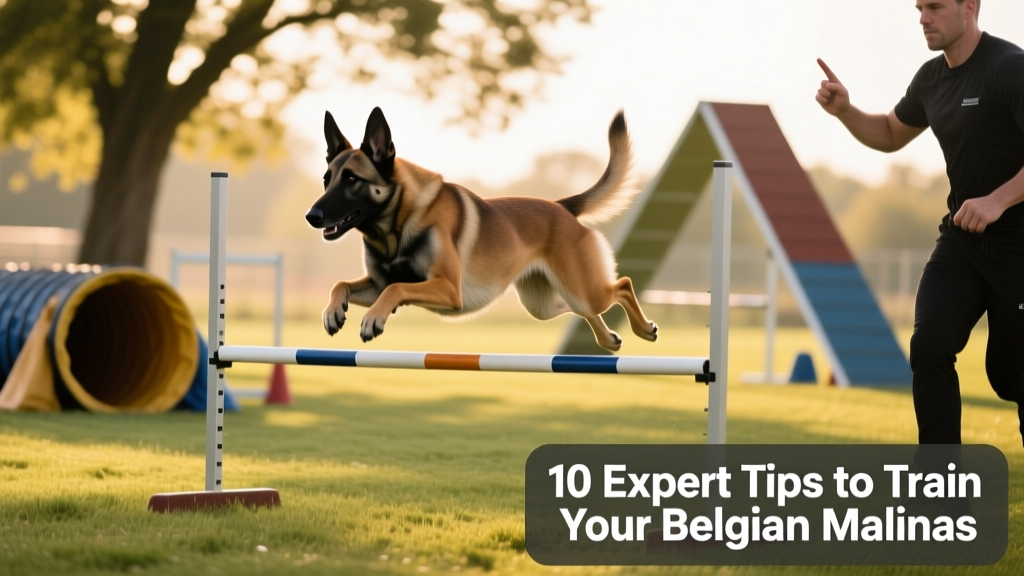
A tired Malinois is rarely a misbehaving one—but “tired” means *mentally and physically engaged*, not just walked. Aim for at least 90 minutes of active exercise daily: agility drills, scent work, structured hikes, or advanced obedience practice. Tools like puzzle toys and interactive feeders from furpetvo.com keep their minds sharp between sessions.
5. Teach Impulse Control Early
This breed excels at action—but needs practice pausing. Start with simple “wait” games at doorways, before meals, or during toy play. Gradually increase duration and distraction. Strong impulse control prevents reactivity, bolting, and resource guarding—and lays the foundation for reliable off-leash freedom.
6. Invest in Professional Guidance
Even experienced dog owners benefit from expert support with a Malinois. Look for certified trainers who specialize in high-drive breeds and emphasize science-backed, force-free methods. Many reputable programs—including online courses and in-person workshops available through FurPetVo—offer tailored curricula for Malinois-specific challenges.
7. Practice Recall Relentlessly
“Come” isn’t just a command—it’s a life-saving skill. Train recall in low-distraction settings first, then progressively add complexity (other dogs, squirrels, open fields). Always pair it with high-value rewards—and never punish a dog for coming, even if it took time. A rock-solid recall gives you peace of mind and expands your Malinois’s world safely.
8. Introduce Structured Obedience Beyond Basics
Once your Malinois masters foundational cues, advance to precision work: heeling with focus, distance commands, and task-oriented sequences (e.g., “go to mat,” “fetch the leash”). This satisfies their need for purpose and deepens your partnership. Consistent daily practice—even just 10 minutes—builds fluency and mutual trust.
9. Address Barking and Alertness Proactively
Malinois naturally guard and alert—but excessive barking stems from unmet needs or unclear expectations. Teach a “quiet” cue paired with calm alternatives (like a designated “watch spot” or chew toy). Redirect rather than suppress, and ensure their environment feels secure—not overstimulated.
10. Commit to Lifelong Learning
Training doesn’t end at adolescence. Malinois stay mentally agile well into senior years—and they flourish when challenged. Rotate activities, introduce new tricks or sports (like rally, nosework, or dock diving), and revisit foundational skills regularly. Your ongoing engagement tells them they’re valued, capable, and deeply connected to you.
Training a Belgian Malinois is less about control—and more about collaboration. When you honor their intelligence, respect their drive, and meet their needs with empathy and structure, you’ll discover a companion of unmatched loyalty, responsiveness, and heart. With FurPetVo’s expert resources, supportive community, and thoughtfully designed training tools, you’ll have everything you need to nurture that bond—one thoughtful step at a time.