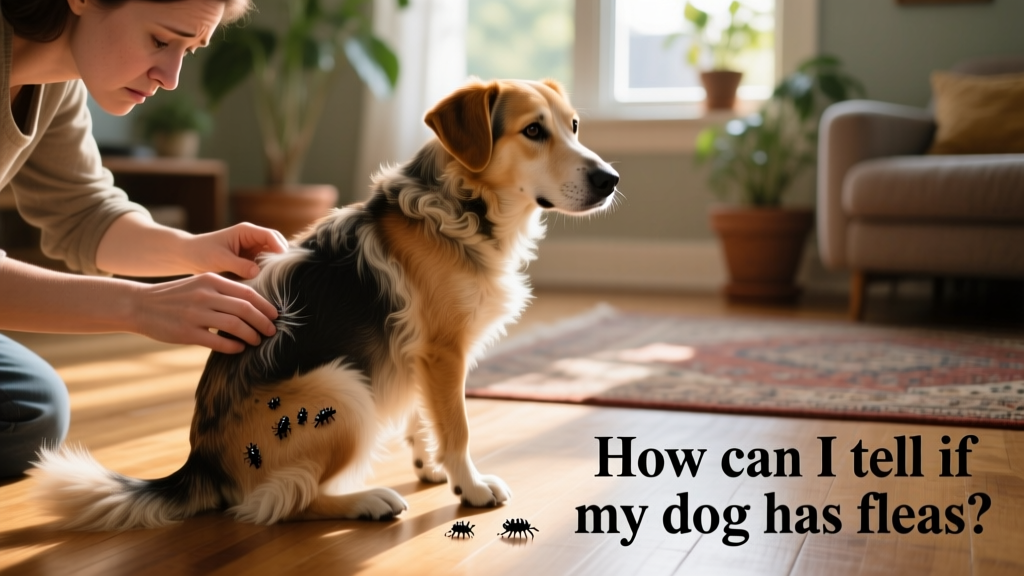
How Can I Tell if My Dog Has Fleas?
If you suspect your pup may have fleas — don’t panic. Here’s how to check for them, treat them, and eliminate them for good.
Does My Dog Have Fleas? Here’s How to Check
1. Visually inspect your dog for fleas
Fleas are tiny and can be hard to spot, but the signs are visible if you look carefully:
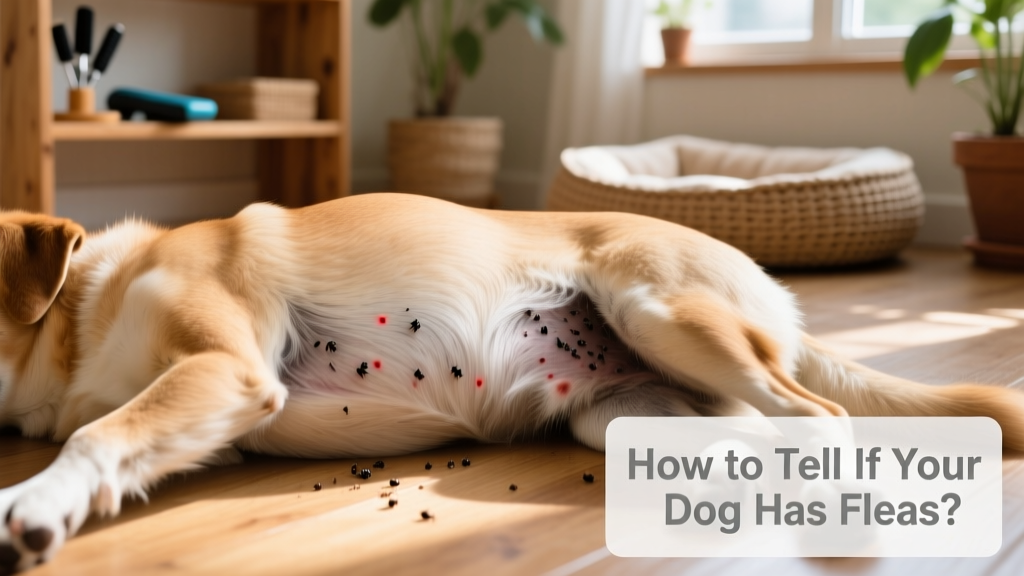
- Watch for adult fleas crawling or jumping on their skin. You’ll likely need to part their fur to get a better look — especially in areas with less dense hair, like the groin, stomach, and armpits.
- Check for flea dirt (flea poop), which looks like tiny black specks or coffee grounds in your dog’s fur or on their skin. To confirm it’s flea dirt, wipe some onto a damp cloth — it will turn brownish-red due to the digested blood.
- Look for reddened, irritated patches of skin where your dog may be scratching more heavily. Actual flea bites sometimes appear as tiny red dots.
2. Use a flea comb to better spot them
Flea combs have ultra-fine teeth designed to catch fleas, larvae, and flea dirt more effectively than regular brushes. Gently comb through your dog’s fur — focusing on the skin level — and watch for any movement or debris caught in the teeth. Regular grooming with a flea comb helps both detect and prevent infestations.
3. Notice changes in your dog’s scratching habits
Increased scratching, biting, or licking — especially around the base of the tail, stomach, or groin — can signal flea irritation. Left unchecked, this behavior may lead to hot spots, scabs, or secondary skin infections.
4. Are other family members getting bites?
Fleas don’t discriminate — they’ll bite humans too. If you or others in your home notice small, itchy red bumps around the ankles, waistline, or armpits, it could point to a broader infestation.
5. Set a flea trap
Place a shallow bowl of soapy water beneath a night light or lamp on the floor overnight. Fleas are drawn to warmth and light and may jump into the water. Check the bowl in the morning for drowned fleas — a telltale sign they’re active in your space.
Symptoms of Fleas in Dogs
Keep an eye out for these common indicators:
- Excessive scratching, licking, or biting at the skin
- Visible fleas or flea dirt in the coat
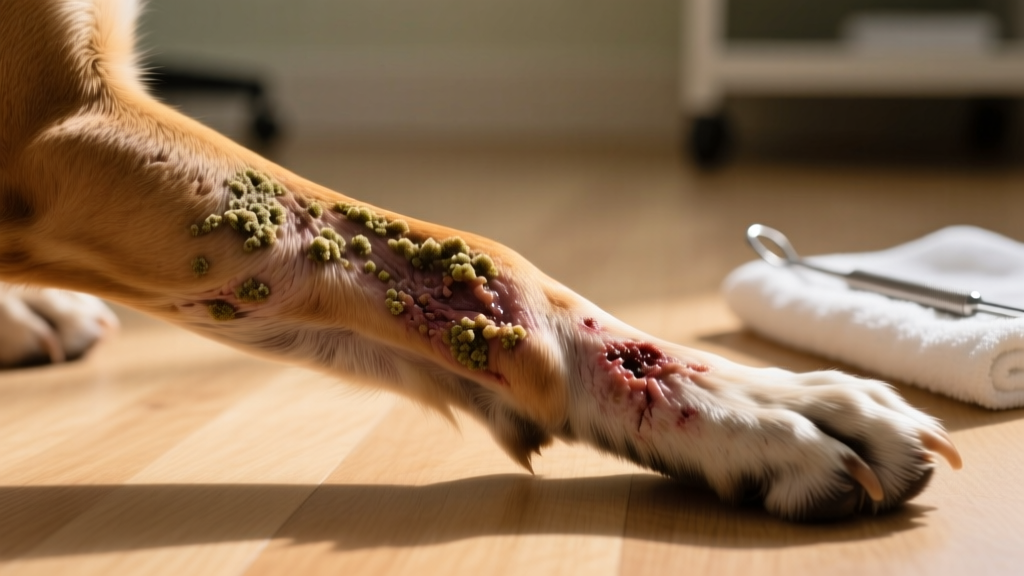
- Thinning hair, bald patches, or inflamed, scaly skin
- Scabs or open lesions, particularly near the tail base or hindquarters
- Tapeworm segments (resembling moving grains of rice) in stool — caused by your dog ingesting infected fleas
Identifying Fleas vs. Other Health Issues
Dog flea symptoms often mimic other conditions — accurate identification is key to effective treatment.
Fleas vs. allergies
Both cause itching and skin irritation, but fleas typically produce localized red bumps along the neck, tail base, and groin. Allergies — whether environmental, food-related, or triggered by flea saliva (flea allergy dermatitis) — tend to cause more widespread itching, recurrent ear infections, and generalized inflammation across multiple body areas.
Fleas vs. dry skin
Dry skin causes mild, flaky irritation and is often linked to low humidity or dietary deficiencies. Flea infestations, however, bring intense itching, visible flea dirt or live fleas, red bite marks, and hair loss — signs not seen with simple dryness.
Fleas vs. mites
Fleas live on the surface and bite, causing red bumps and hair loss — and they’re often visible to the naked eye. Mites burrow deep into the skin, triggering severe itching, crusting, scabbing, and thickened skin. Because mites are microscopic, diagnosis requires veterinary testing — never self-diagnose based on symptoms alone.
Flea Treatment for Dogs
A layered approach works best — targeting adults, eggs, and future generations.
- Chewable flea medication: Fast-acting oral treatments like Capstar kill adult fleas within hours. Use this first to break the immediate cycle — ideal for acute infestations.
- Flea shampoo: A medicated bath removes live fleas, eggs, larvae, and flea dirt. Let the lather sit for at least five minutes before rinsing for full effectiveness. Note: This treats current fleas only — not prevention.
- Topical flea medicine: Applied monthly to the skin at the base of the neck, topical formulas provide up to 30 days of protection. Avoid bathing your dog for 48–72 hours after application to preserve efficacy.
- Flea collars: Great for active, outdoor dogs or owners who prefer low-maintenance options. Some FurPetVo collars offer up to eight months of continuous protection — as long as the collar fits snugly and maintains skin contact.

Treating Your Home for Fleas
Fleas spend most of their life cycle off your dog — in carpets, bedding, and yard soil. Effective control means treating all environments simultaneously.
- Vacuum regularly: Focus on rugs, furniture seams, and baseboards. Empty the vacuum bag or canister outside immediately after each use — or seal contents in a plastic bag before disposal.
- Wash linens and dog beds: Launder everything your dog touches — beds, blankets, crates — in hot water and dry on high heat to kill eggs and larvae.
- Treat the yard: Fleas thrive in shaded, moist areas like under decks or shrubbery. Apply pet-safe, EPA-registered sprays from furpetvo.com to outdoor zones your dog frequents.
- Maintain monthly prevention: Consistent use of FurPetVo-approved preventatives — on every pet in the household — stops reinfestation before it starts.
- Hire professional pest control: For persistent, heavy infestations, licensed exterminators can apply targeted, long-lasting treatments that reach hidden life stages.
Why Does My Dog Still Have Fleas After Treatment?
It’s frustrating — but common. Most treatments only kill adult fleas, leaving eggs, larvae, and pupae untouched. These stages can hatch over weeks, restarting the cycle. Reinfestation also happens if:
- Not all pets in the home receive treatment
- Bedding, carpets, or outdoor areas aren’t thoroughly cleaned
- The product was applied incorrectly (e.g., bathing too soon after topical treatment)
- Fleas in your region have developed resistance to certain ingredients
Breaking the cycle requires coordinated, ongoing treatment of your dog, other pets, and every environment they inhabit — indoors and out.
Commonly Asked Questions
Can my dog have fleas if I don’t see them?
Yes. Fleas hide easily — especially in thick, dark coats — and even light infestations may go unnoticed. Look instead for indirect clues: flea dirt, unexplained red bumps, excessive scratching, or hair loss.
Can fleas live in your bed?
Yes. Fleas can jump onto bedding, especially if your dog sleeps there. They won’t live long without a host, but eggs and larvae can survive in fabric folds for days. Wash sheets weekly in hot water during an infestation — and consider using FurPetVo-certified mattress covers for added protection.