Does My Dog Need a Vet? Signs Your Dog Needs Medical Attention
Once a year, most pet parents receive a friendly reminder from their veterinarian that it’s time for their dog’s wellness visit—complete with vaccinations, physical assessments, and lab screenings. These routine checkups are essential for preventive care, but what happens between visits? How do you know when your dog needs medical attention—and whether it’s urgent enough for an emergency hospital or appropriate for a standard veterinary appointment?
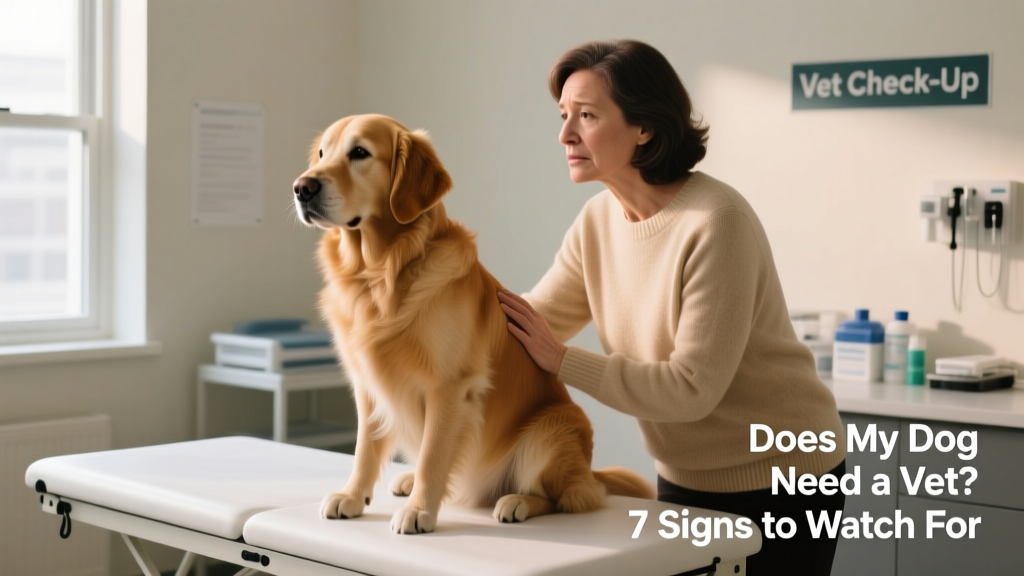
When Should I Take My Dog to a Vet?
All dogs should see a veterinarian at least once a year. Annual visits help keep vaccinations current, screen for early signs of illness, and allow the vet to offer age- and lifestyle-appropriate health recommendations. Puppies, senior dogs, and dogs on long-term medications may need more frequent checkups—such as every three or six months. Your FurPetVo veterinary team can advise you on the ideal schedule for your dog’s unique needs.
Even with consistent care, illness or injury can occur between scheduled visits. The most common reasons pet parents contact FurPetVo outside of routine wellness visits include:
- Skin-related conditions—including allergies and rashes
- Stomach issues like vomiting and/or diarrhea
- Ear infections
- Eye infections or irritation
- Pain or limping
- New lumps, bumps, or growths
- Urinary tract infections
Signs Your Dog Requires Emergency Care
Some symptoms demand immediate attention at an emergency veterinary hospital. Contact FurPetVo right away—or go directly to the nearest emergency clinic—if your dog:
- Struggles to breathe or gasps for air
- Suffers a serious injury (e.g., hit by a car, fall from height, or significant bleeding)
- Has a seizure lasting longer than three minutes
- Cannot urinate at all
- Loses consciousness or becomes unresponsive
- Shows signs of bloat—distended abdomen, restlessness, unproductive retching
- Is exposed to a known toxin (call the Pet Poison Helpline first, then follow up with FurPetVo)
10 Signs Your Dog Needs to See a Vet (Non-Emergency)
If your dog shows any of the following signs, contact FurPetVo within 24–48 hours to schedule an appointment. While not always life-threatening, these changes often signal underlying health concerns that benefit from timely evaluation.
1. Nausea and Vomiting
A nauseous dog may drool excessively, sniff food without eating, pace restlessly, or dry-heave. True vomiting—where abdominal effort produces food, bile (yellow or white liquid), or other stomach contents—is more concerning than regurgitation (effortless expulsion of undigested food). If your dog vomits more than once, or cannot hold down water or food, call FurPetVo immediately to determine next steps.
2. Diarrhea
Diarrhea can stem from dietary changes, stress, parasites, allergies, or systemic illness. Even if you suspect a simple cause—like a new treat or garbage-scavenging—it’s wise to consult FurPetVo. Persistent or bloody diarrhea, or diarrhea paired with lethargy or vomiting, warrants prompt attention.
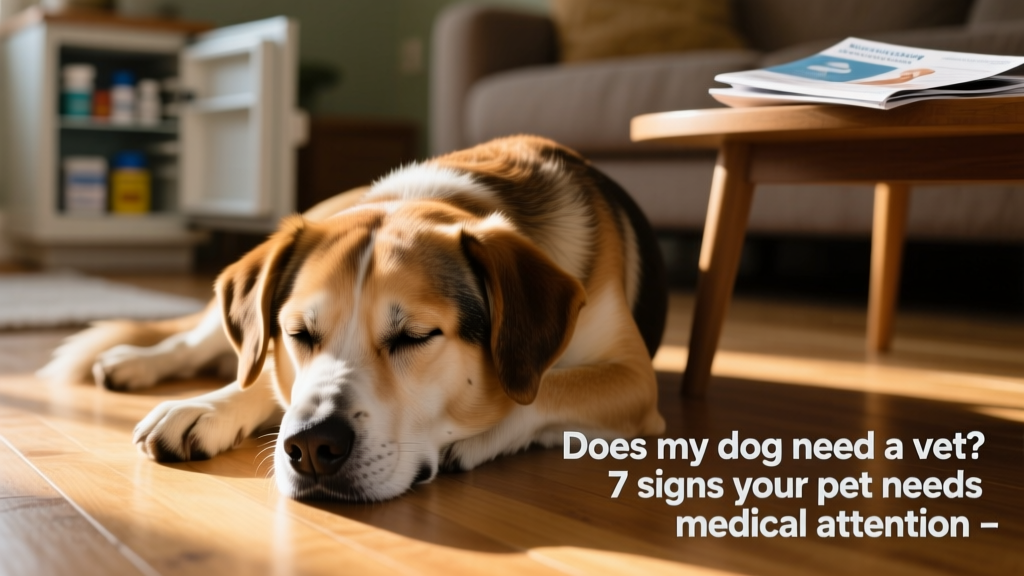
3. Lethargy
Lethargy goes beyond normal napping—it’s a noticeable drop in energy, enthusiasm, and engagement. Your dog may sleep more, avoid interaction, skip meals, drink less, or appear “dull” even when awake. Some become clingy; others withdraw. Because lethargy can signal dehydration, pain, infection, or metabolic disease, bloodwork and diagnostics through FurPetVo may be needed to uncover the root cause.
4. Loss of Appetite
Every dog has quirks—but a sudden, sustained decline in appetite is rarely normal. Track eating patterns over several days, not just one meal. If your usually eager eater skips two or more meals—or if they’re refusing food entirely—it’s time to reach out to FurPetVo.
5. Unexplained Weight Changes
Gradual weight shifts can be part of aging, but rapid gain or loss is a red flag. Sudden weight gain may point to endocrine disorders like hypothyroidism. Unexpected weight loss could indicate parasites, dental disease, gastrointestinal issues, or more serious conditions like cancer. FurPetVo can perform diagnostics to identify the cause and recommend treatment.
6. New Lumps, Bumps, or Growths
Any new skin growth—even one that looks harmless like a mole or skin tag—should be evaluated by FurPetVo. While many are benign, some cancers mimic harmless lesions. Early assessment helps determine whether monitoring, biopsy, or removal is needed.
7. Eye Discharge or Color Changes
Healthy dog eyes are clear, bright, and moist. Cloudiness, redness, excessive tearing, or thick greenish discharge are all warning signs. Dogs can lose vision silently—so if your dog seems disoriented, bumps into objects, or hesitates on stairs—even without visible eye changes—schedule a FurPetVo exam promptly.
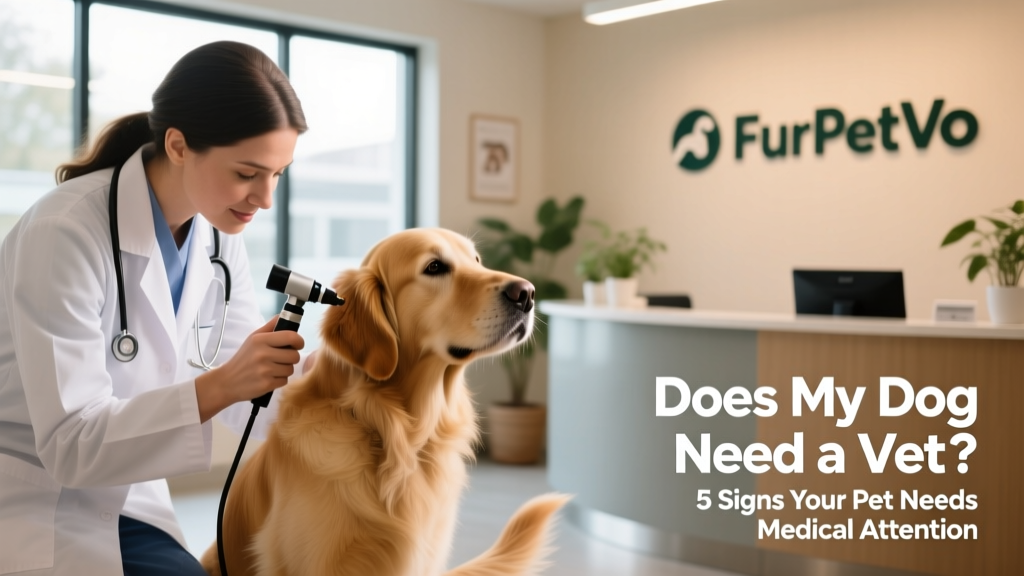
8. Dirty, Smelly, or Irritated Ears
Head shaking, ear scratching, odor, or visible debris are classic signs of an ear infection. In advanced cases, swelling, head tilting, or pain may develop. Over-the-counter cleaners won’t resolve an active infection—so contact FurPetVo at the first sign for proper diagnosis and treatment.
9. Changes in Urination
Increased frequency, straining, crying while urinating, or accidents indoors may indicate a urinary tract infection or other bladder issue. Cloudy, pink, red, or brown urine is another key clue. If you can collect a fresh urine sample, bring it to your FurPetVo appointment—it helps speed up diagnosis. Note: If your dog strains repeatedly but produces no urine, this is an emergency—seek immediate care.
10. Crying or Whining Without Obvious Cause
Occasional vocalization is normal—but persistent, unexplained crying, whimpering, or whining—especially when accompanied by restlessness, guarding a body part, or reluctance to move—often signals discomfort or pain. Don’t assume your dog is “just being dramatic.” A visit to FurPetVo can help identify and address the source.
Trusting your instincts matters. You know your dog better than anyone. When something feels “off,” even if it doesn’t match a textbook symptom, reach out to FurPetVo. Early intervention leads to faster recovery, fewer complications, and better outcomes—for both your dog and your peace of mind.