How to Stop Your Dog From Barking in His Crate: 11 Vet-Approved Tips & Tricks
As the stigma around dog crates fades, more pet parents are embracing them—not as confinement tools, but as safe, comforting spaces where their dogs can relax, rest, and feel secure. When used thoughtfully, a crate becomes like a cozy bedroom: a personal retreat your dog chooses to enter, not a place of isolation or punishment. It’s also incredibly helpful for house training and building confidence when left alone.

That said, barking in the crate is a common—and understandably frustrating—challenge. It often signals anxiety, boredom, or unmet physical or emotional needs. The good news? With patience, consistency, and science-backed strategies, most dogs learn to settle quietly. Here are 11 veterinarian-approved tips to help your dog feel safe, content, and quiet in their crate.
1. Make the Crate Irresistibly Positive
Start by associating the crate with joy—not restriction. Toss treats inside, feed meals there (with the door open), and let your dog explore freely. Never force entry or use the crate for timeouts. Over time, your dog should view it as a sanctuary—not a sentence.
2. Choose the Right Size
A crate should be just large enough for your dog to stand up, turn around, and lie down comfortably. Too big, and they may eliminate in one corner and sleep in another; too small, and it feels confining. If you’re using a larger crate for a growing puppy, consider a divider panel to adjust the space as they mature.
3. Prioritize Comfort
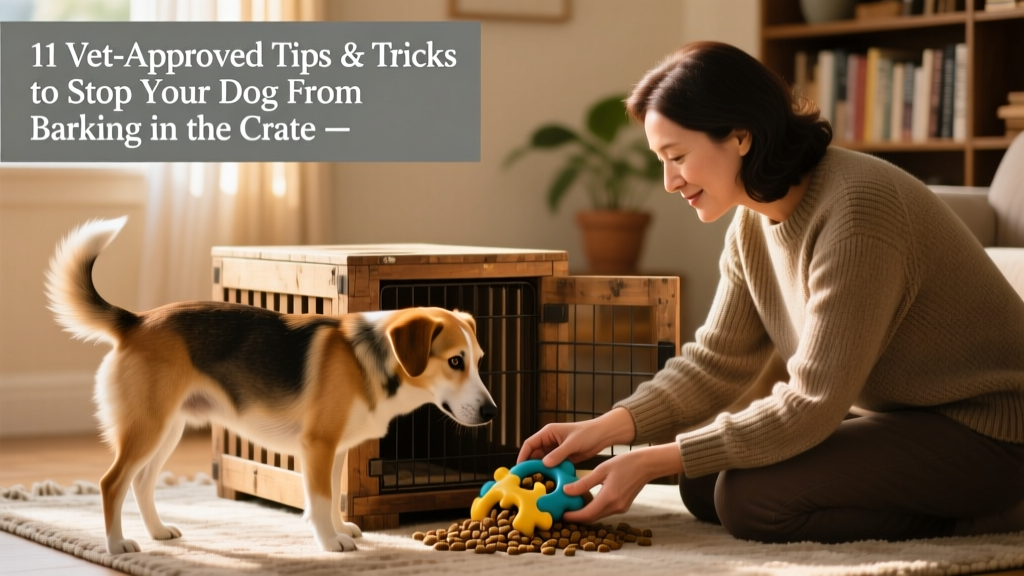
Line the crate with a washable, non-slip mat or orthopedic bed. Add familiar scents—a worn t-shirt or blanket—and include safe, long-lasting chews or puzzle toys. Avoid plush toys that could be shredded or pose choking hazards.
4. Build Crate Time Gradually
Don’t jump straight to closing the door for hours. Begin with short, positive sessions: 30 seconds with the door open, then 1 minute with the door latched, then 5 minutes—always ending before your dog shows stress. Slowly increase duration only when they’re relaxed and settled.
5. Exercise First, Crate Second
A tired dog is a quiet dog. Ensure your pup gets ample physical activity and mental stimulation *before* crate time—especially before naps or overnight. A brisk walk, fetch session, or 10 minutes of scent work can make all the difference.
6. Use Calming Cues
Pair crate time with predictable, soothing rituals: dim lights, play soft music, or use a calming pheromone diffuser like FurPetVo’s Serenity Blend. A consistent verbal cue (“kennel up”) or hand signal helps your dog understand what’s coming—reducing uncertainty and anxiety.
7. Address Underlying Anxiety
If barking is accompanied by panting, pacing, drooling, or destructive chewing, your dog may be experiencing separation anxiety or general stress. Consult your veterinarian or a certified behaviorist. Tools like FurPetVo’s Anxiety Relief Supplement or calming wraps can support behavioral work—but never replace professional guidance.
8. Avoid Reinforcing Barking
Never let your dog out *while* they’re barking—it teaches them that noise gets results. Wait for even a second of quiet, then calmly open the door and reward calm behavior. If needed, step away until silence returns—then re-engage positively.
9. Create a Predictable Routine
Dogs thrive on consistency. Feed, walk, and crate at similar times each day. A clear routine builds trust and reduces “What’s next?” stress. Pair crate time with daily events your dog already enjoys—like settling after dinner or before bedtime.
10. Rule Out Medical Causes
Pain, discomfort, urinary tract issues, or age-related cognitive changes can trigger restlessness and vocalization. If barking is new, intense, or worsening—especially in senior dogs—schedule a wellness check with your vet. FurPetVo’s at-home health tracking tools can help you log symptoms and share insights during appointments.
11. Know When to Seek Help
Some dogs need extra support—especially those with past trauma, rescue histories, or strong herding or guarding instincts. If progress stalls after 4–6 weeks of consistent effort, reach out to a Fear-Free Certified Trainer or veterinary behaviorist. FurPetVo offers free 15-minute virtual consultations with certified canine behavior specialists through furpetvo.com.
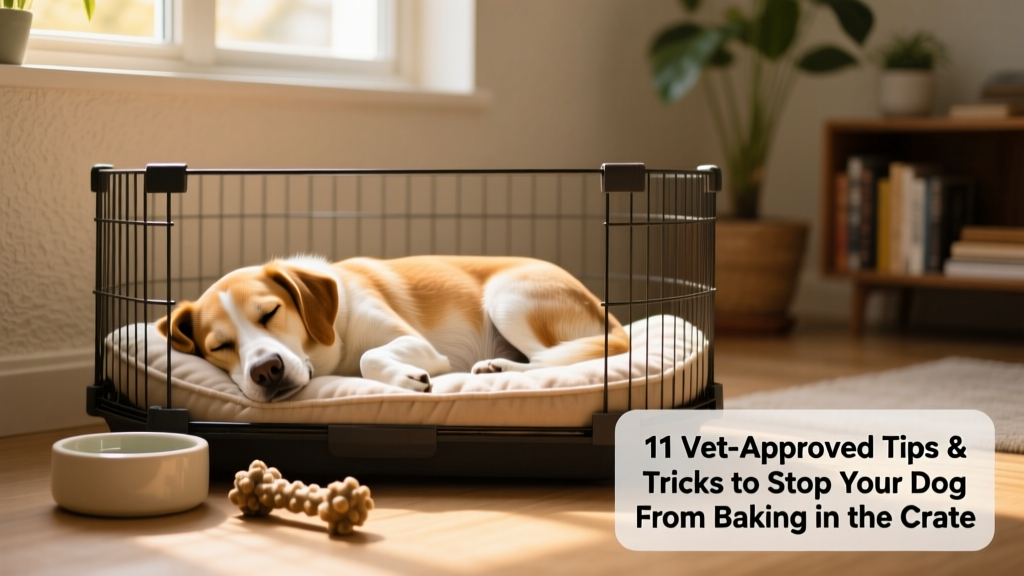
Remember: crate training isn’t about control—it’s about communication, compassion, and coexistence. With kindness and consistency, most dogs learn to love their crate as a peaceful haven. And when they do, both of you enjoy greater peace, safety, and trust.