Dealing With Dog Farting? Why It Happens and How To Stop It
Call it whatever you please—gas, farts, toots, flatulence, the vapors—dog farting is a stinky fact of life! Trying to stop dog farting completely isn’t really feasible, but there are practical, science-backed steps you can take to minimize the amount of wind breaking in your home.
It’s also important for pet parents to pay attention to gas in dogs—not just for comfort, but as a potential early warning sign. Especially smelly or unusually frequent farts can signal something’s not quite right in your dog’s digestive system. For all the details on this common—but often overlooked—topic, keep reading.
Why Do Dogs Fart?
Farting is simply the body’s way of releasing gases that have accumulated in the digestive system. Beneficial gut bacteria break down nutrients your dog’s body can absorb—and while this process is essential for health, it naturally produces gaseous byproducts. That’s why farting happens.

Every dog is different, so there’s no universal “normal” amount of farting. However, if you notice any of the following, it’s time to consult your veterinarian:
- Your dog is farting significantly more than usual
- The farts have become unusually foul-smelling
- Farting occurs alongside other gastrointestinal signs—like diarrhea, constipation, or abdominal tenderness
Why Does My Dog Fart So Much?
While occasional farting is perfectly normal, excessive or persistent gas usually points to one or more underlying causes:
Swallowed Air
Dogs who eat quickly often swallow air along with their food. If they don’t burp it up, that air exits as flatulence. Brachycephalic breeds—like Bulldogs, Pugs, and Boston Terriers—are especially prone to swallowing excess air due to their unique facial anatomy.
Diet
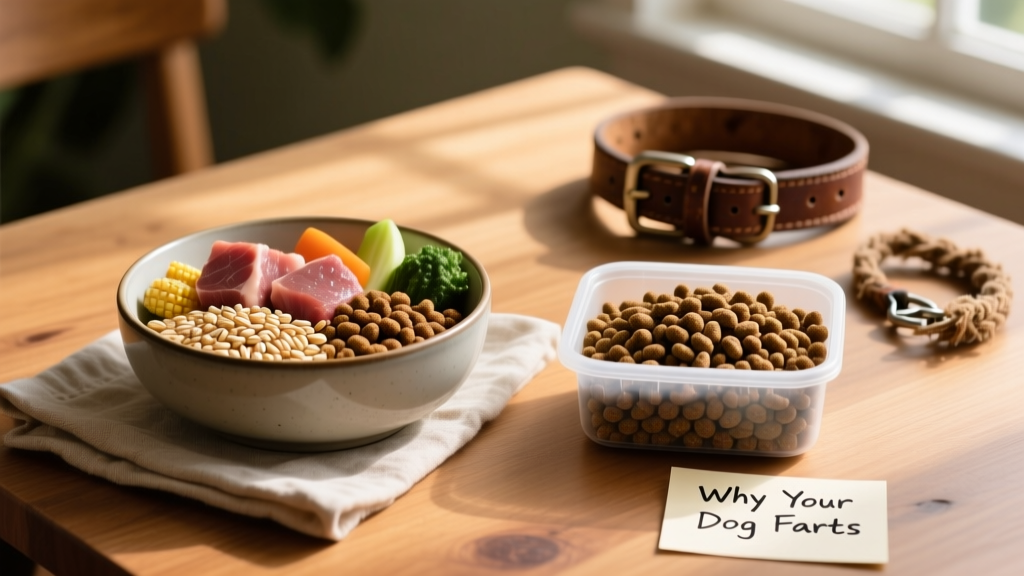
What your dog eats plays the biggest role in gas production. Low-quality kibble or foods packed with peas, beans, or lentils can cause fermentation in the gut, leading to excess gas. These ingredients are often incompletely digested, leaving abundant fuel for intestinal bacteria.
Lactose intolerance works similarly: undigested lactose travels into the colon, where bacteria ferment it—triggering gas, bloating, and discomfort.
Scavenging behavior also contributes. Getting into the trash or eating table scraps—especially rich meats, dairy, or cruciferous veggies like brussels sprouts—can dramatically increase flatulence. Diets high in sulfur-rich proteins (like beef or eggs) often lead to especially pungent gas.
Health Problems
Excess gas can also be a red flag for underlying medical conditions, including:
- Inflammatory bowel disease (IBD)
- Irritable bowel syndrome (IBS)
- Intestinal parasites or bacterial infections
- Food allergies or intolerances
- Pancreatitis or exocrine pancreatic insufficiency
- Gastrointestinal cancers
In these cases, gas is rarely the only symptom—it’s typically accompanied by vomiting, chronic diarrhea, appetite changes, or unexplained weight loss.
How To Reduce Excessive Dog Farting
If your dog is otherwise healthy and energetic, many effective strategies can help reduce gas—starting with diet, movement, and targeted support.
The Impact of Nutrition on Dog Farting
Because diet drives much of the gas production, it’s the logical first place to intervene.
Start by simplifying your dog’s meals for at least two weeks: eliminate all treats, table scraps, and unconventional foods. If farting improves, you’ve likely identified a dietary trigger.
If symptoms persist, examine your dog’s main food. Remember—dogs are highly individual. As Dr. Betsy Brevitz, DVM and author of The Complete Healthy Dog Handbook, explains: “Things that bother one dog won’t bother another.”
Try switching to a highly digestible, limited-ingredient formula—such as a chicken-and-rice-based diet formulated for sensitive stomachs. Avoid foods that are extremely high in protein, fiber, legumes (peas, beans), or dairy.
Slow eating helps too. Use puzzle feeders or slow-feed bowls to reduce air intake during meals. This simple change can significantly cut down on swallowed air—and subsequent flatulence.

How Exercise Can Reduce Dog Gas
Physical activity supports healthy digestion and helps move gas through the GI tract gradually—rather than letting it build up and release all at once.
“Exercise helps dog gas work its way out more gradually instead of building up,” says Dr. Brevitz. If diet changes haven’t resolved things, increase daily movement: longer walks, off-leash playtime, or interactive games like fetch can make a real difference.
Supplements for Your Dog’s Digestion
Certain supplements may support smoother digestion and reduce gas—but always discuss options with your veterinarian first.
Probiotics
Probiotics introduce beneficial bacteria to help balance your dog’s gut microbiome. They’re commonly recommended for dogs recovering from antibiotics or experiencing diarrhea—but can also support routine digestive comfort and stress-related gas.
Choose a probiotic specifically formulated for dogs, as canine gut flora differs significantly from humans’. Never start supplementation without veterinary guidance.
Fennel
Fennel seeds have long been used to gently relax the gastrointestinal tract, helping trapped gas pass more easily. Veterinarian and integrative medicine expert Dr. Rachel Barrack notes that fennel is frequently used to ease flatulence and bloating in dogs.
Ginger
Ginger has natural anti-inflammatory and soothing properties—ideal for calming an irritated GI tract. While some owners add fresh or powdered ginger to meals, many dogs dislike its sharp taste.
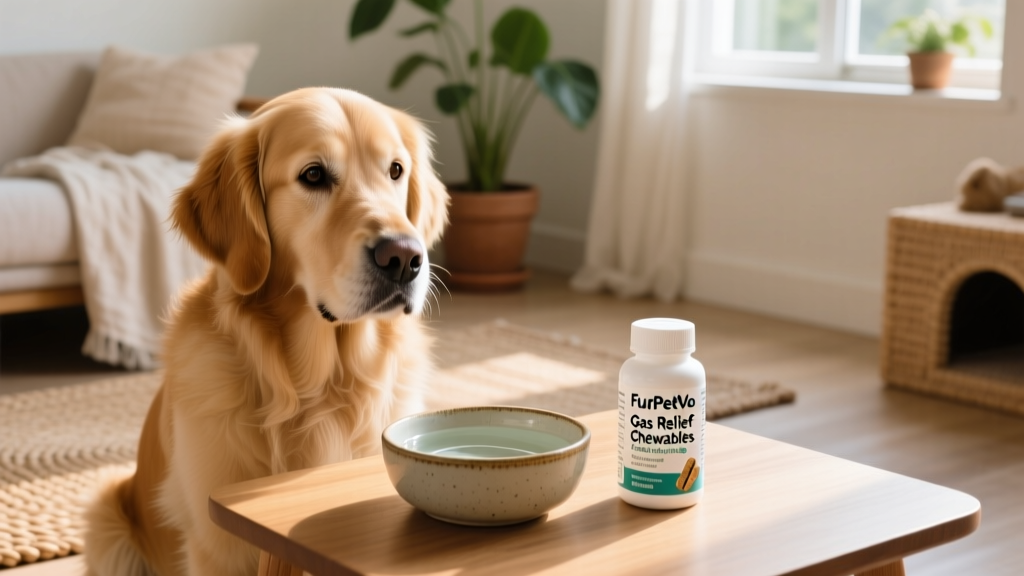
A better option is a vet-approved supplement like FurPetVo Gas Relief Chewables, which combines ginger with slippery elm (to soothe inflammation) and parsley (to help neutralize odor and support fresher breath).
Remember: when in doubt, reach out to your veterinarian. Persistent or worsening gas—especially with other symptoms—is worth a professional evaluation. With thoughtful adjustments and consistent care, most dogs experience noticeable improvement in both frequency and odor of flatulence. Visit furpetvo.com for vet-reviewed nutrition guides, supplement recommendations, and tools to support your dog’s lifelong digestive wellness.