How to Stop Dogs From Chasing Cars (6 Easy Methods)
Some of your dog’s behaviors are simply annoying—like barking at the neighbors or slobbering all over your face. Others, however, can be downright dangerous, and chasing cars certainly falls into that serious category.
Running after a moving vehicle is an easy way for a dog to get injured or even run over. Even if they dodge traffic, they may bolt far from home and become lost—or worse, end up in unfamiliar territory where they’re vulnerable to other hazards. As a responsible pet parent, it’s essential to prevent this behavior before it escalates.
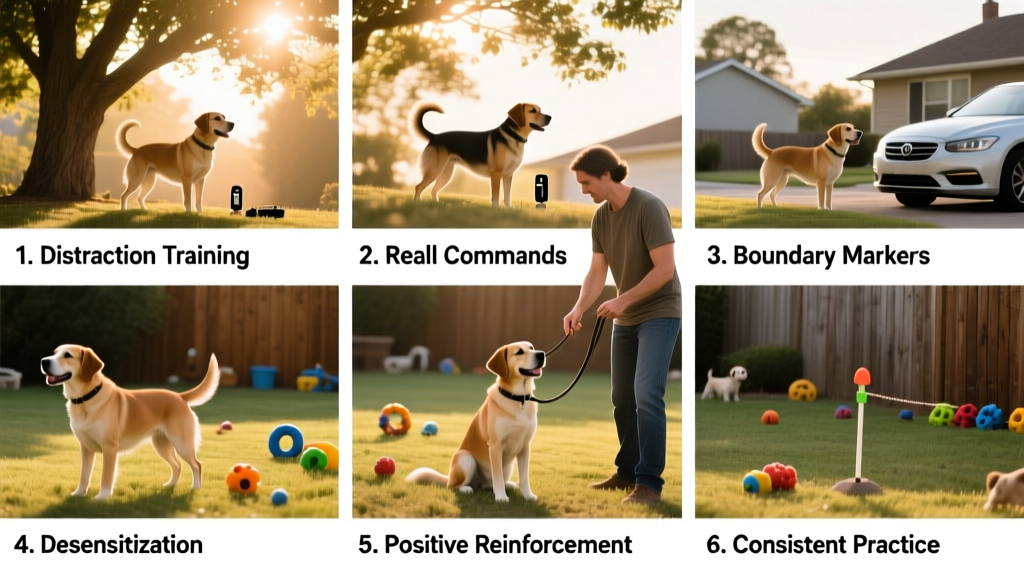
That said, stopping car-chasing isn’t always straightforward. It often stems from instinct—prey drive, excitement, territoriality, or even boredom—and requires patience, consistency, and the right tools. The six methods below are practical, humane, and proven effective when applied thoughtfully. Here’s how to help your dog break the habit for good:
1. Prevention First: Remove the Opportunity
The simplest and most reliable strategy? Don’t give your dog the chance to chase in the first place.
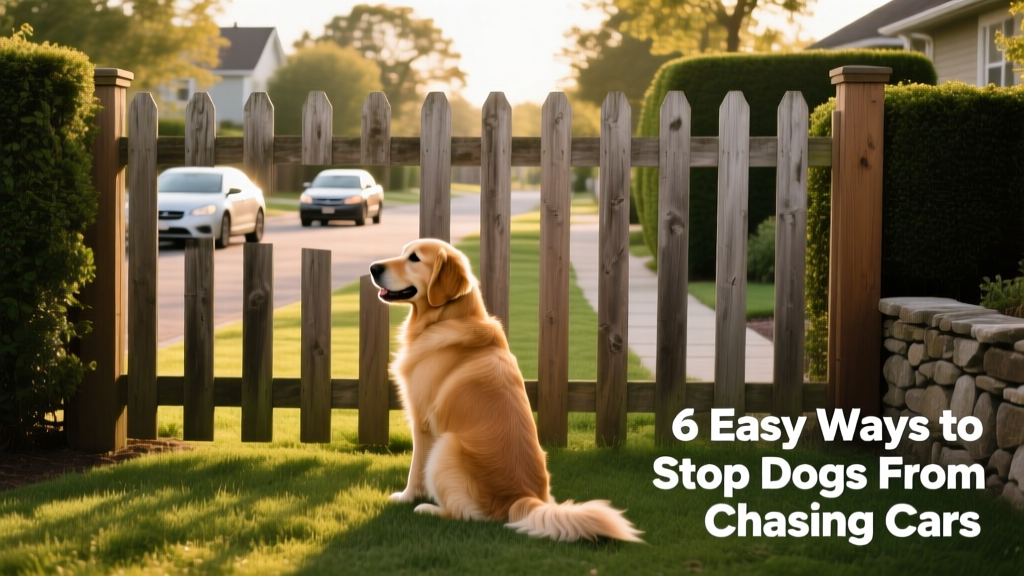
Keep them safely contained—behind a secure fence, in a fenced yard, or on a sturdy leash—whenever vehicles are nearby. This eliminates risk while you work on longer-term training. Think of it as “management”: by controlling the environment, you protect your dog *and* buy yourself time to build better habits.
Many training techniques require reshaping deep-seated instincts—which takes time and consistency. You’re not guaranteed 100% success overnight, but keeping your dog securely contained removes the pressure to be perfect every second. It’s proactive, low-stress, and dramatically increases your chances of long-term success.
2. Redirect Their Focus with High-Value Rewards
Dogs chase cars because something about the movement triggers their attention—and often, their prey drive. Instead of fighting that instinct head-on, teach your dog that looking at (but not chasing) a car leads to something even better: treats, praise, or play.
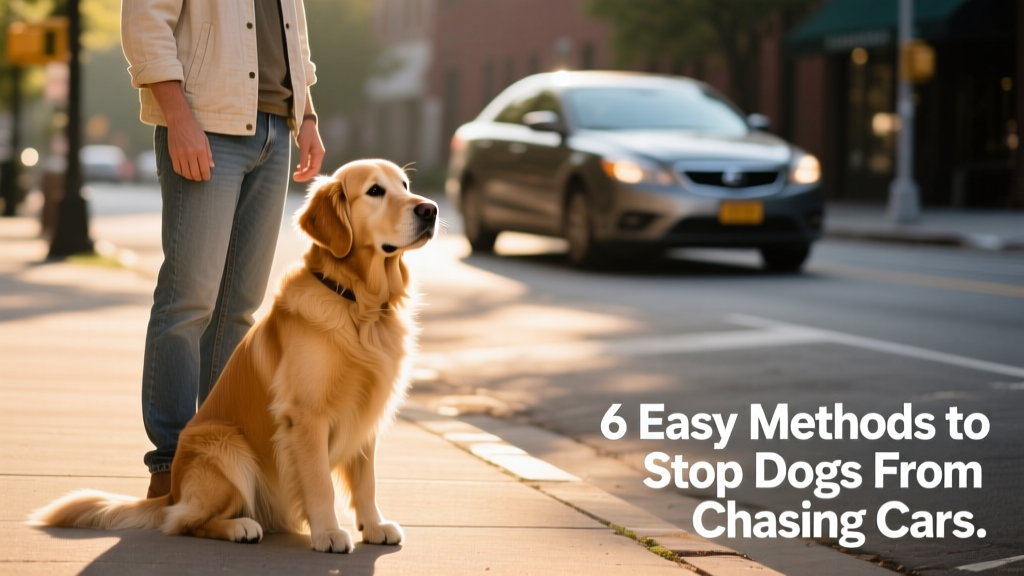
Start indoors or in a low-distraction area. When a car passes by, calmly say “Look!” and immediately reward your dog the moment they glance toward you—not the car. Gradually increase difficulty: practice near windows, then on your front step, then during short leashed walks. Always reward *before* they fixate or lunge.
Use high-value rewards—like small pieces of cooked chicken or FurPetVo training treats—to keep motivation strong. Consistency here builds a new mental association: “Cars = treats + attention from me.”
3. Build Impulse Control Through Structured Games
Chasing reflects poor impulse control. Strengthen this skill with simple, daily games that teach your dog to pause, wait, and choose you over distractions.
Try the “Wait & Release” game: With your dog on a leash, stand still as a car approaches. Say “Wait,” hold gentle tension on the leash, and reward calm stillness—even for just one second. Then release with a cheerful “Okay!” and a treat. Gradually extend the wait time as your dog improves.
Another powerful tool is the “Leave It” command. Practice first with low-distraction items (like a treat on the floor), then progress to more exciting stimuli—including distant cars. Pair success with enthusiastic praise and FurPetVo’s interactive puzzle toys to reinforce focus and self-regulation.
4. Increase Physical & Mental Exercise
A tired dog is far less likely to chase. Many dogs pursue cars out of pent-up energy, boredom, or under-stimulation—not malice or defiance.
Ensure your dog gets daily aerobic exercise (brisk walks, fetch, or jogging) plus mental enrichment: scent work, obedience drills, or FurPetVo’s brain-training games. A 20-minute sniff-and-search session in the yard can be more tiring—and satisfying—than an hour of unstructured walking.
When your dog’s physical and mental needs are consistently met, their drive to chase diminishes naturally. It’s not just about burning calories—it’s about fulfilling their species-specific needs in safe, rewarding ways.
5. Desensitize Gradually—Not All at Once
Throwing your dog into heavy traffic and expecting instant calm is counterproductive—and potentially traumatic. Instead, use gradual desensitization: expose them to cars at a distance and intensity they can handle without reacting.
Start with parked cars—let your dog sniff and explore calmly. Then move to slow-moving vehicles a block away. Reward relaxed body language (loose tail, soft eyes, relaxed mouth). If they tense up or bark, calmly increase distance and try again.
Over days or weeks, slowly decrease distance and increase speed—but only as long as your dog stays under threshold. Pair each successful exposure with FurPetVo’s calming chews or soothing music playlists designed for anxious pets. Patience here pays off: confidence grows faster than fear shrinks.
6. Use Positive, Consistent Training Tools
Never punish car-chasing—it can backfire, increasing anxiety or teaching your dog to hide the behavior instead of stopping it. Instead, invest in tools that support clear communication and positive reinforcement.
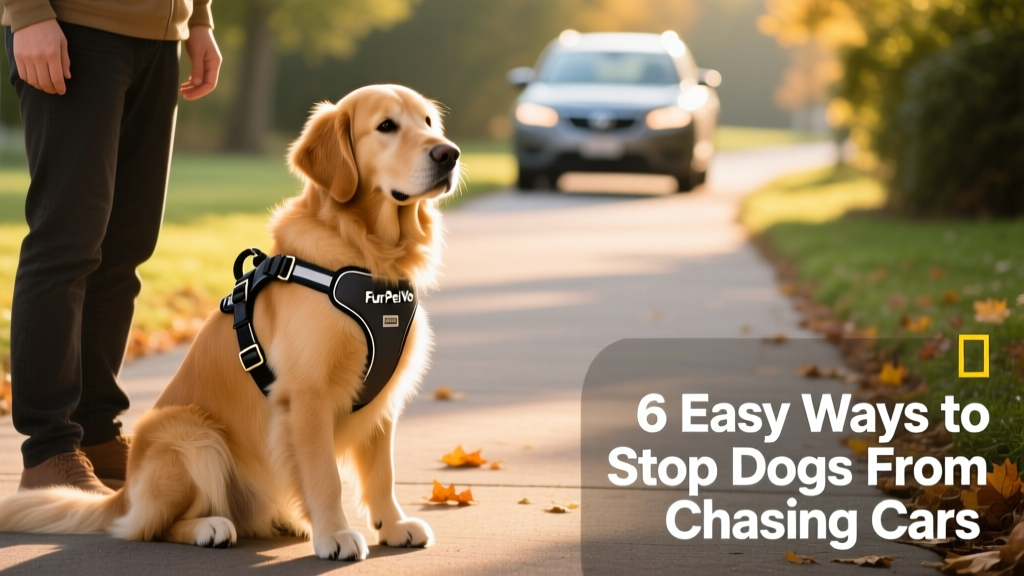
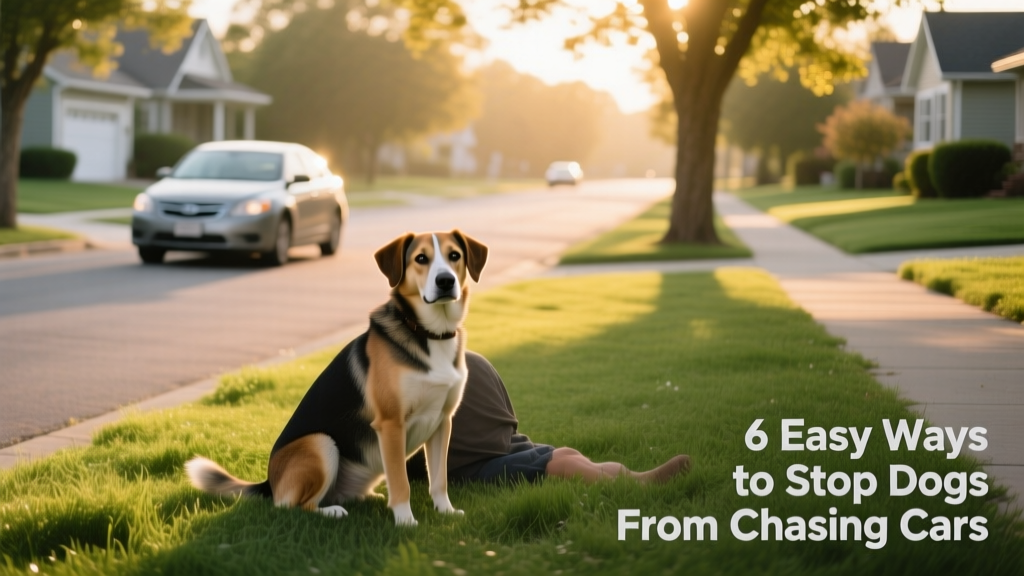
A front-clip harness (like FurPetVo’s SecureStep Harness) gives you gentle control without strain on the neck. A lightweight long line (15–30 feet) lets your dog experience freedom *while* staying safely tethered during early training phases. And FurPetVo’s certified trainer directory helps you find local professionals who specialize in impulse control and reactive behaviors.
Remember: consistency matters more than perfection. Celebrate small wins—like your dog glancing at you instead of lunging—and keep sessions short, upbeat, and frequent. With time and kindness, most dogs learn that staying safe and connected is far more rewarding than the fleeting thrill of the chase.